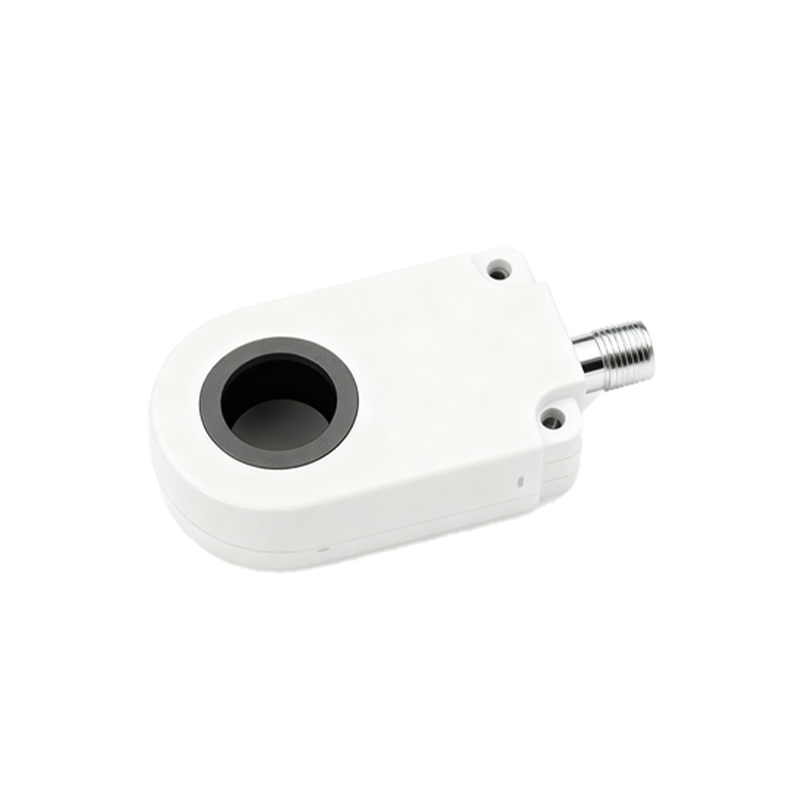
In the rapidly evolving landscape of industrial automation and smart technology, proximity sensors have become indispensable components. These non-contact detection devices are the silent workhorses behind countless applications, from assembly line robotics to consumer electronics and automotive safety systems. For engineers, procurement specialists, and system integrators, finding a reliable proximity sensor specialist is not merely a purchase—it's a strategic partnership critical to project success and operational longevity.
A true proximity sensor specialist offers far more than just a catalog of products. They provide deep technical expertise, helping clients navigate the complex array of technologies available. The primary types include Inductive Sensors, ideal for detecting metallic objects; Capacitive Sensors, which can detect both metallic and non-metallic materials like liquids, plastics, and wood; Ultrasonic Sensors, using sound waves for distance measurement and presence detection; and Photoelectric Sensors, which utilize light beams for long-range detection. Each technology has distinct advantages, limitations, and optimal use cases. A knowledgeable supplier will ask detailed questions about your application environment, target material, required sensing distance, output type (PNP/NPN, analog, IO-Link), and environmental factors like temperature, pressure, or potential washdown needs. This consultative approach ensures the selected sensor delivers reliable performance, minimizing false triggers and downtime.
The hallmark of a premier proximity sensor distributor is an extensive, high-quality inventory from trusted global manufacturers. Brands like Sick, Omron, Pepperl+Fuchs, Balluff, and IFM are renowned for their precision, durability, and innovation. A specialist should stock a comprehensive range, including miniature sensors for tight spaces, cylindrical and block-style housings in various materials (stainless steel, nickel-plated brass, PBT plastic), and sensors with specialized features like weld-field immunity, extended temperature ranges, or enhanced resistance to chemicals. Availability is key; a supplier with robust stock levels and efficient logistics can significantly reduce lead times, keeping your production lines running smoothly.
Beyond product supply, value-added services differentiate a true specialist. These services may include comprehensive technical support for sensor selection, wiring diagrams, and troubleshooting. Some suppliers offer custom engineering, such as modifying cable lengths, creating special brackets or housings, or even developing application-specific sensor solutions. For complex installations, on-site support and sensor validation can be invaluable. Furthermore, a forward-thinking supplier stays abreast of Industry 4.0 trends, offering sensors with smart capabilities like IO-Link communication. These "smart sensors" provide not just a switching signal but also detailed diagnostic data (operating hours, temperature warnings, signal strength), enabling predictive maintenance and deeper process insights.
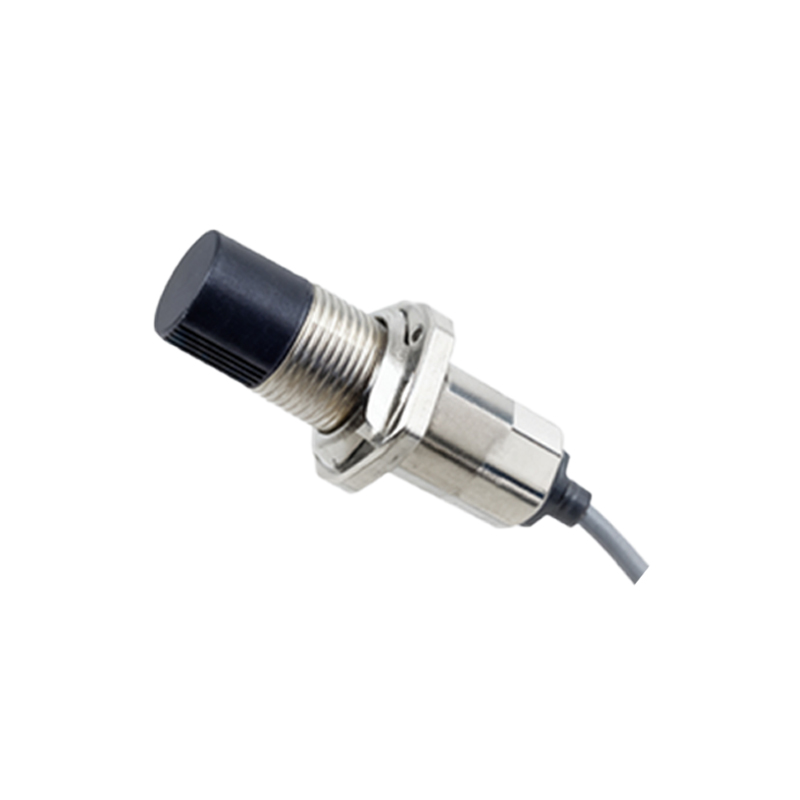
The applications for proximity sensors are virtually limitless. In manufacturing, they are used for precise part positioning on CNC machines, detecting the presence of components on conveyor belts, and counting products. In the automotive industry, they ensure robotic welders and painters maintain correct distance and verify door and hood closure. In packaging, they detect labels, monitor fill levels, and control packaging machinery. Even everyday appliances like touchless faucets, smartphone screens, and automatic doors rely on proximity sensing technology. A specialist supplier understands these diverse industries' unique challenges, from food and beverage sanitary requirements to the high-vibration environment of metal stamping presses.
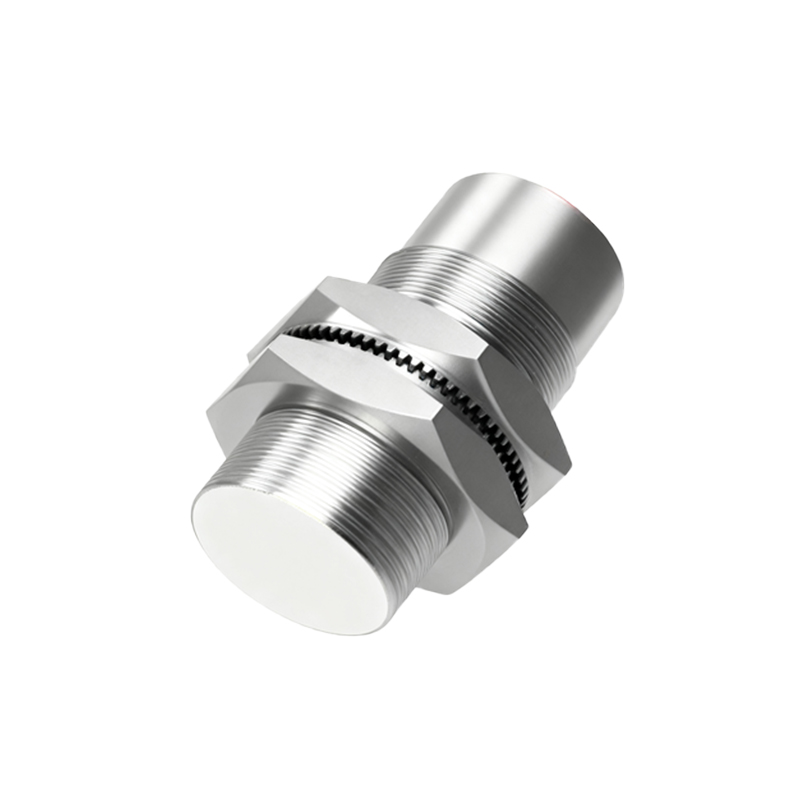
Choosing the right supplier requires careful evaluation. Consider their technical expertise, product portfolio breadth, manufacturer authorizations, delivery reliability, and post-sales support. Look for suppliers with a strong online presence, including detailed product datasheets, CAD models for easy integration into design software, and clear application notes. Ultimately, partnering with a dedicated proximity sensor specialist is an investment in reliability, efficiency, and innovation, providing the critical components that keep modern systems sensing, reacting, and performing at their peak.