In the realm of industrial automation and smart systems, the silent, reliable work of proximity sensors and inductive switches forms a critical backbone. These devices, often unnoticed, are fundamental components that enable machinery to "sense" its environment without physical contact, driving efficiency, safety, and precision across countless applications.
At its core, a proximity sensor is a device that detects the presence or absence of an object within a specified range. Inductive proximity switches, a predominant type, operate on the principle of electromagnetic induction. They generate an oscillating electromagnetic field from a coil housed within the sensor. When a metallic object—typically ferrous metals like steel or iron, though specific models can detect non-ferrous metals—enters this field, it induces eddy currents on the object's surface. This current draw causes a change in the oscillation amplitude within the sensor. An internal circuit detects this change and triggers a solid-state switch, sending a clear digital signal (ON/OFF) to a controller like a PLC (Programmable Logic Controller).
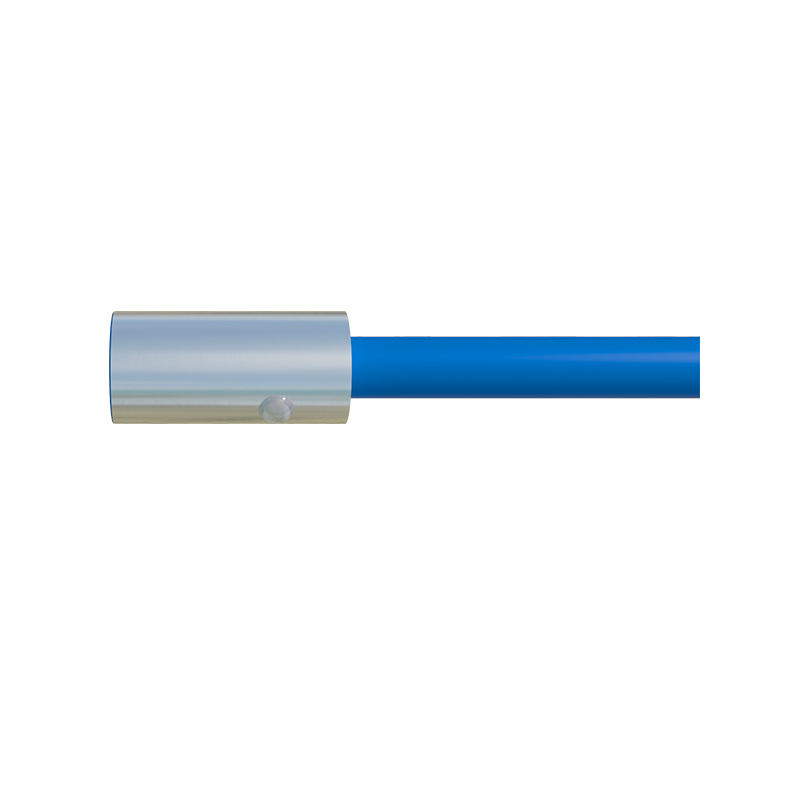
This non-contact method of detection offers profound advantages over traditional mechanical limit switches. The absence of physical wear and tear from repeated contact dramatically extends operational lifespan, reducing maintenance costs and downtime. Furthermore, they are exceptionally reliable in harsh environments, as their sensing faces can be sealed against dust, moisture, oils, and coolants. Their high switching speed and repeatability make them ideal for high-speed counting, positioning, and end-of-travel detection in automated assembly lines, packaging machinery, and CNC machine tools.
The selection of an appropriate inductive proximity sensor depends on several key factors. The sensing distance, or nominal range, is crucial and is typically specified for a standard steel target. It's important to note that this range can vary for different metals. The sensor's housing style—tubular, rectangular, or ring-shaped—must suit the mounting constraints. Output configuration is another critical choice: NPN (sinking) or PNP (sourcing) transistor outputs, which define how the sensor interfaces with the control circuit's common voltage. Environmental ratings, particularly the Ingress Protection (IP) code, ensure the sensor can withstand the conditions of its application, whether it's a clean robotic cell or a washdown area in food processing.
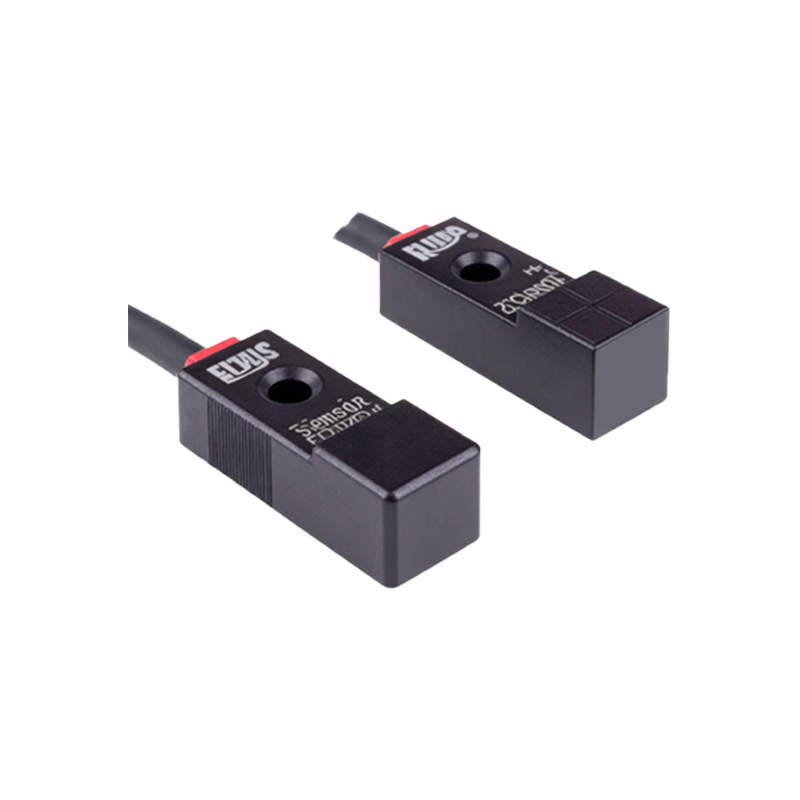
Beyond classic factory automation, the applications are vast. In automotive manufacturing, they verify the presence of parts like pistons or engine blocks. In material handling, they detect the position of pallets on conveyors. Safety systems use them as interlock monitors on guarding doors. Even in everyday life, they are embedded in appliances and consumer electronics, though often in capacitive or optical forms for non-metallic detection.
While inductive sensors are unparalleled for metals, understanding their limitations is key to proper implementation. They generally cannot detect non-metallic materials like plastic, wood, or glass. The sensing range is relatively short compared to ultrasonic or photoelectric sensors. Additionally, installing multiple sensors in close proximity requires careful attention to prevent mutual interference, a scenario managed by maintaining specified lateral and axial separation distances.
The evolution continues with "factor-1" cylindrical sensors that offer the same range in a smaller housing, analog output models that provide continuous distance information, and IO-Link enabled versions that facilitate advanced diagnostics, parameter setting, and integration into Industry 4.0 data networks. This digital transformation allows for predictive maintenance, where a sensor can report its health status before a failure occurs.
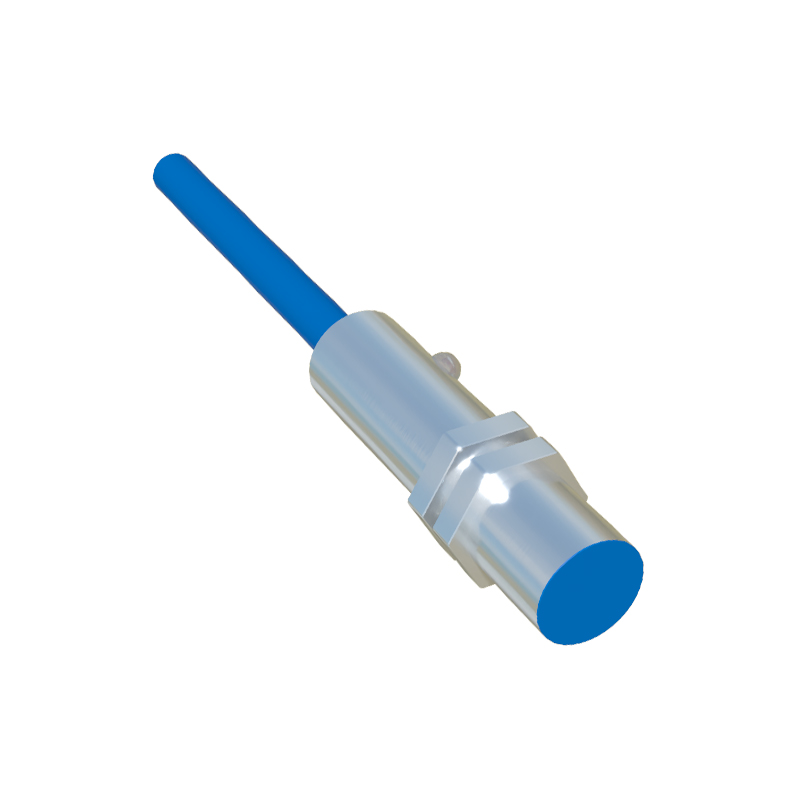
In conclusion, inductive proximity switches are more than simple switches; they are the essential touchpoints where the digital control world interacts with the physical mechanical world. Their robustness, speed, and reliability make them indispensable in building responsive, efficient, and intelligent automated systems. As technology advances, their role evolves from mere detection devices to smart nodes in an interconnected industrial ecosystem, continuing to push the boundaries of what automated machinery can perceive and achieve.