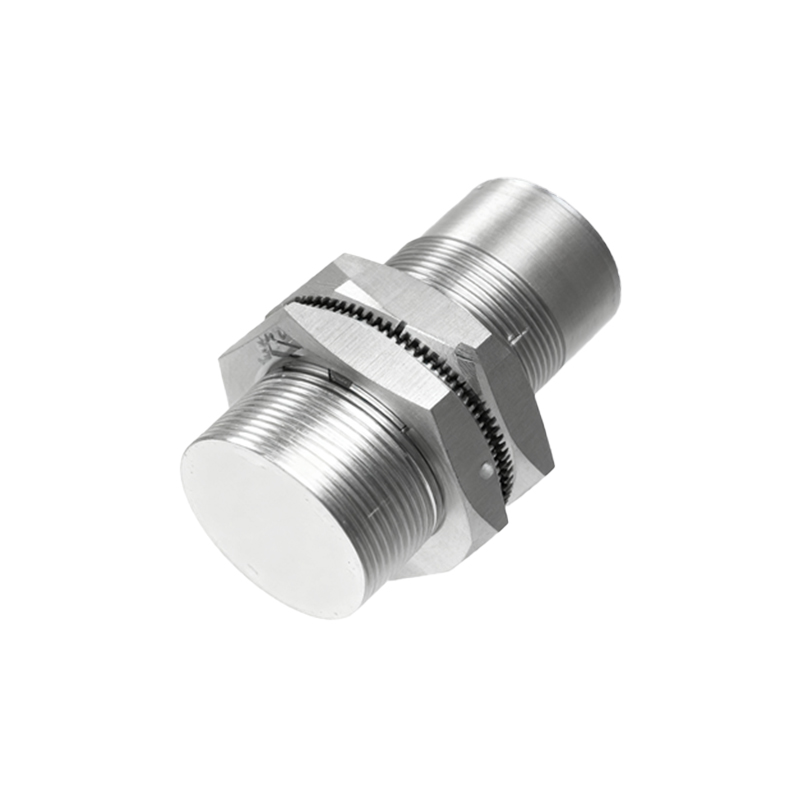
In the world of industrial automation, motion control, and safety systems, accurately measuring the speed of a rotating shaft, conveyor belt, or moving object is a fundamental requirement. Among the various technologies available, photoelectric speed sensors stand out for their non-contact operation, high precision, and reliability. This article delves into the working principles, common types, key applications, and factors to consider when selecting a photoelectric speed sensor.
At its core, a photoelectric speed sensor operates on a simple yet effective principle: it uses light to detect movement. The basic components include a light source, typically a light-emitting diode (LED) or a laser diode, and a photodetector, such as a phototransistor or photodiode. The sensor is positioned so that the light beam from the emitter is directed towards the target or a specially prepared surface on a rotating element, like a shaft. When the target interrupts or reflects this beam, the photodetector registers a change in light intensity. By counting these interruptions or reflections over a known period, the sensor's electronics can calculate the rotational speed (in revolutions per minute, RPM) or linear speed.
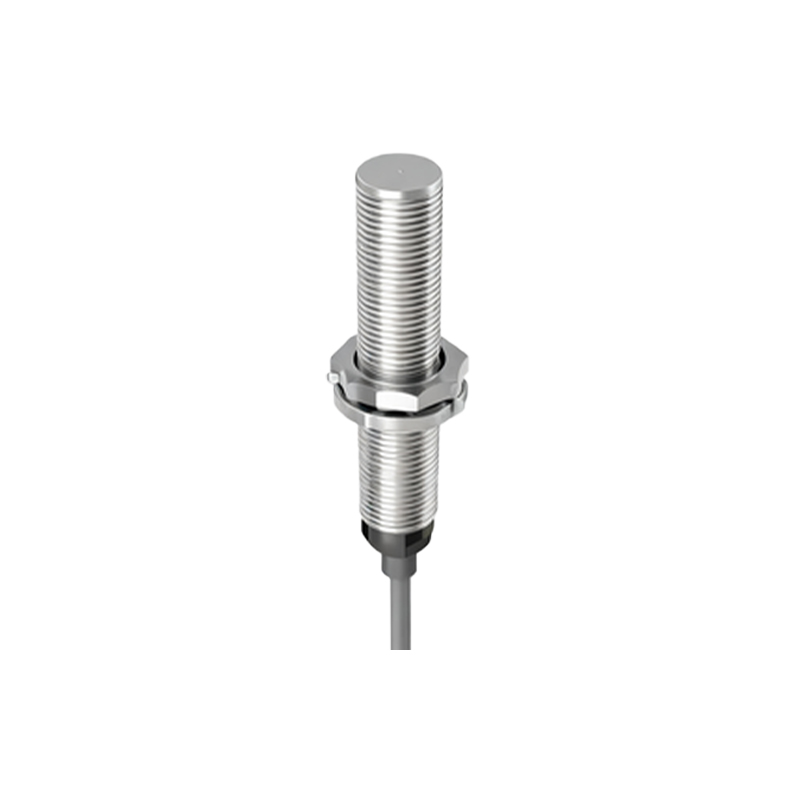
There are two primary modes of operation: through-beam and reflective. In a through-beam (or opposed) setup, the emitter and receiver are housed in separate units facing each other. The target, often a slotted disk attached to a shaft, passes between them, breaking the beam. Each break generates a pulse. This method offers high accuracy and is less susceptible to environmental interference because the receiver sees a clear on/off signal. The reflective mode combines the emitter and receiver in a single housing. The sensor emits light towards a reflective mark or a patterned surface on the target. The light bounces back to the receiver, creating a pulse for each detected mark. Reflective sensors are easier to install as they require only one mounting point and are suitable for applications where mounting opposite units is impractical.
The advantages of photoelectric speed sensors are numerous. Their non-contact nature means there is no mechanical wear, leading to a long operational life and minimal maintenance. They provide excellent accuracy and resolution, capable of detecting very high speeds. They are also versatile, able to work with various materials and surfaces, provided the optical properties are suitable. Furthermore, their response time is extremely fast, making them ideal for dynamic control systems.
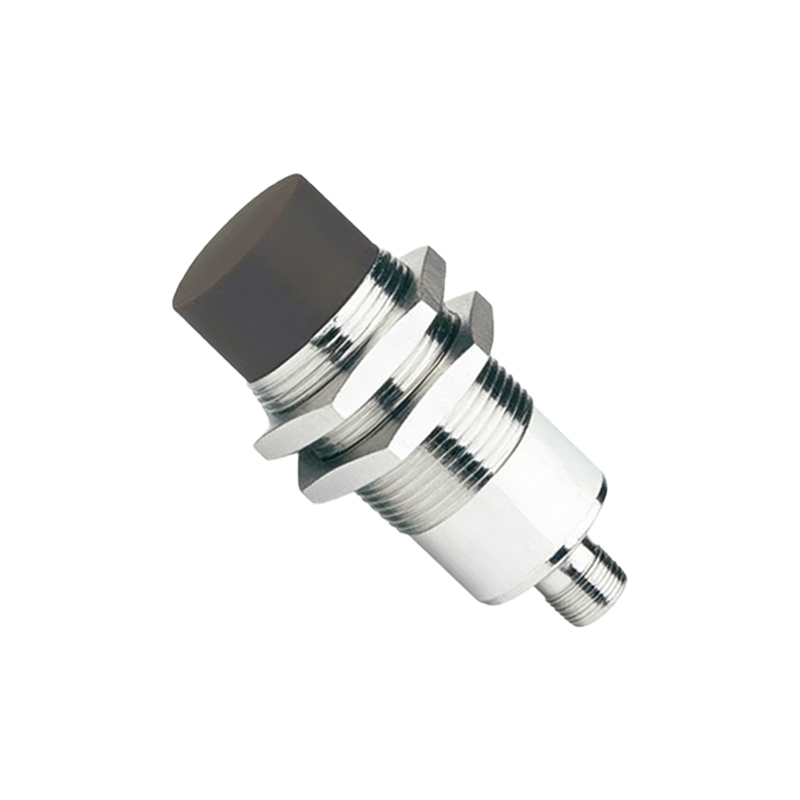
These sensors find applications across a wide spectrum of industries. In automotive manufacturing and testing, they are used to measure engine RPM, wheel speed, and conveyor line velocity. Within the packaging industry, they monitor the speed of filling machines, labelers, and wrapping equipment to ensure synchronization and throughput. On printing presses, they control the speed of rollers to maintain precise registration of colors. In the realm of consumer electronics, they can be found in computer fans and disk drives for speed regulation. They are also crucial in safety systems; for instance, monitoring the speed of elevator doors or automatic gates to prevent accidents.
Selecting the right photoelectric speed sensor requires careful consideration of several parameters. First, define the required measurement range (minimum and maximum speed) and the needed resolution. The target characteristics are critical: its size, material, color, and surface finish (shiny, matte) will affect the sensor's ability to reliably detect it. For reflective sensors, the contrast between the mark and the background is vital. The operating environment cannot be ignored. Factors like ambient light, dust, fog, oil mist, or temperature extremes can impair optical performance. Many industrial-grade sensors are equipped with housings rated by IP (Ingress Protection) standards to resist dust and water. The output signal type is another key decision. Common outputs include digital pulses (NPN or PNP transistor), analog voltage (0-10V), or analog current (4-20 mA), which interface directly with PLCs (Programmable Logic Controllers), counters, or data acquisition systems. Finally, consider the physical constraints: the sensor's size, mounting configuration, and cable connection must fit the available space.
In conclusion, photoelectric speed sensors are a robust and precise solution for a multitude of speed-sensing challenges. By understanding their operating principles and carefully matching sensor specifications to the application's demands, engineers and technicians can ensure reliable performance, enhanced process control, and improved system safety. As technology advances, these sensors continue to evolve, offering even greater precision, miniaturization, and resistance to harsh industrial environments.