In the rapidly evolving landscape of industrial automation, consumer electronics, and smart systems, the demand for reliable, compact, and versatile sensing solutions has never been higher. Among the array of technologies meeting this demand, the flat proximity sensor stands out as a pivotal innovation. This device represents a significant departure from traditional, bulky proximity sensors, offering a sleek, low-profile design without compromising on performance. Its fundamental principle remains the detection of an object's presence or absence within a specific range without any physical contact, but its form factor and integration capabilities are what set it apart.
The core technology behind most flat proximity sensors is often based on electromagnetic or capacitive sensing. Electromagnetic variants, like flat inductive sensors, generate an oscillating electromagnetic field. When a metallic object enters this field, it induces eddy currents within the object, which in turn dampens the sensor's oscillation. This change is detected, signaling the object's presence. Their flat design allows them to be mounted flush with metal surfaces, making them ideal for applications where space is at a premium and a smooth surface is required, such as in automated machinery, robotic arms, or elevator door systems.
Capacitive flat proximity sensors operate by measuring changes in capacitance. The sensor and the target object act as two plates of a capacitor. As an object—metallic or non-metallic, liquid or solid—approaches the sensor face, it alters the dielectric constant and thus the capacitance of the system. This change triggers the sensor's output. This versatility makes flat capacitive sensors invaluable in industries dealing with plastics, wood, glass, or even granular materials. Their flat housing allows for easy, unobtrusive installation on conveyor belts, inside containers, or behind non-metallic panels for touch-sensitive control interfaces.
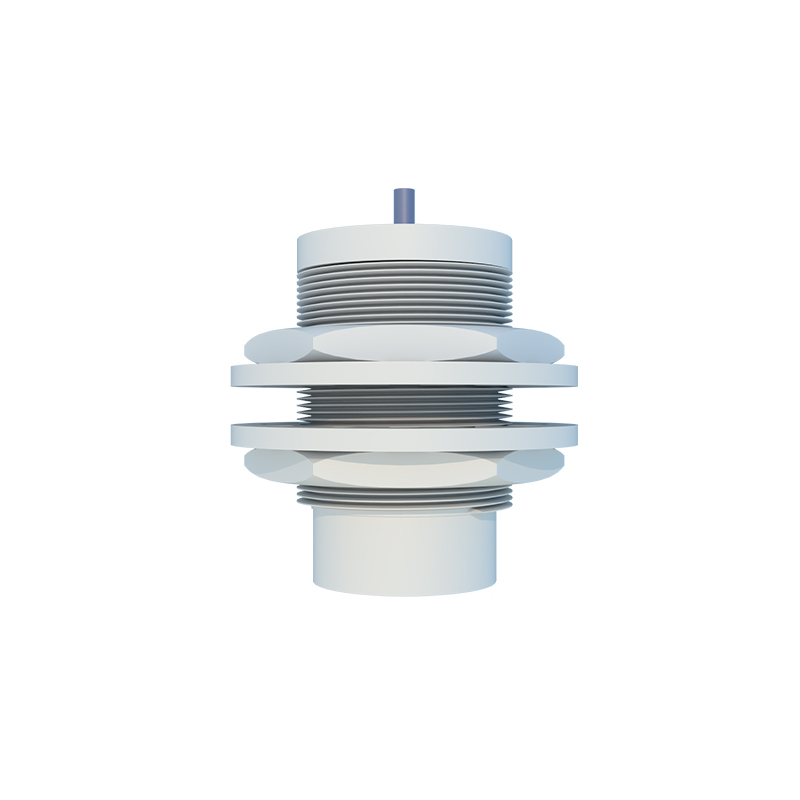
The advantages of adopting a flat form factor are manifold. First and foremost is space savings. In modern device design, from smartphones and tablets to slim industrial controllers, internal real estate is precious. A flat sensor can be integrated directly behind casings, displays, or glass surfaces, enabling features like automatic screen wake/sleep or touchless gesture control without adding bulk. Secondly, the flush-mounting capability enhances durability. With no protruding parts, these sensors are less susceptible to mechanical damage from impacts or snagging in fast-moving production lines. This leads to increased longevity and reduced maintenance costs.
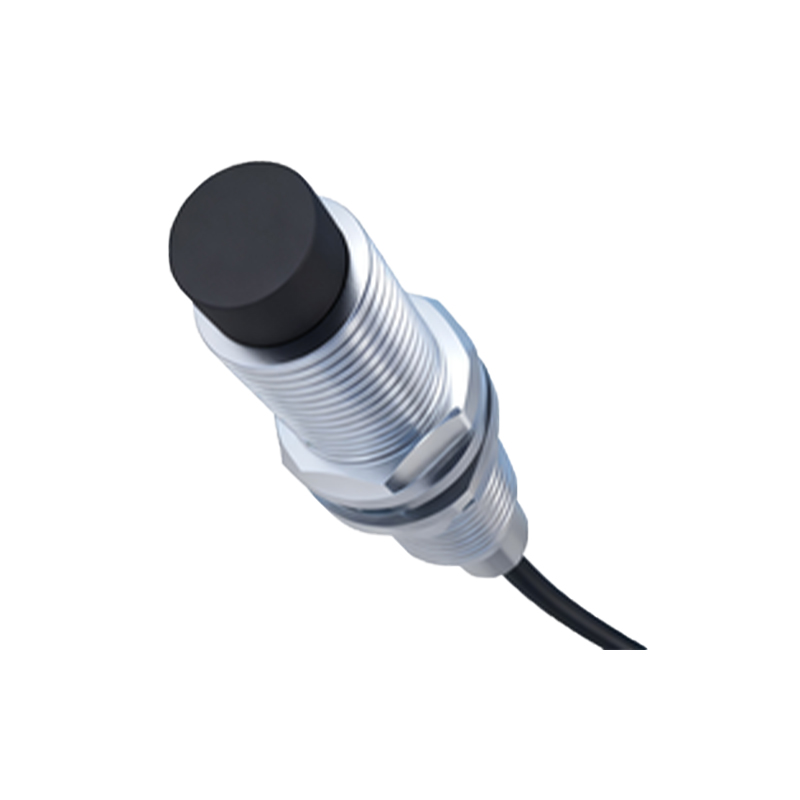
Furthermore, the design allows for improved hygiene and ease of cleaning, a critical factor in food processing, pharmaceutical, and medical equipment. A smooth, seamless surface with no crevices prevents the accumulation of dirt, bacteria, or liquids. In automotive applications, flat sensors can be discreetly embedded into dashboards or door panels for intuitive user interaction, contributing to both aesthetic appeal and functional sophistication.
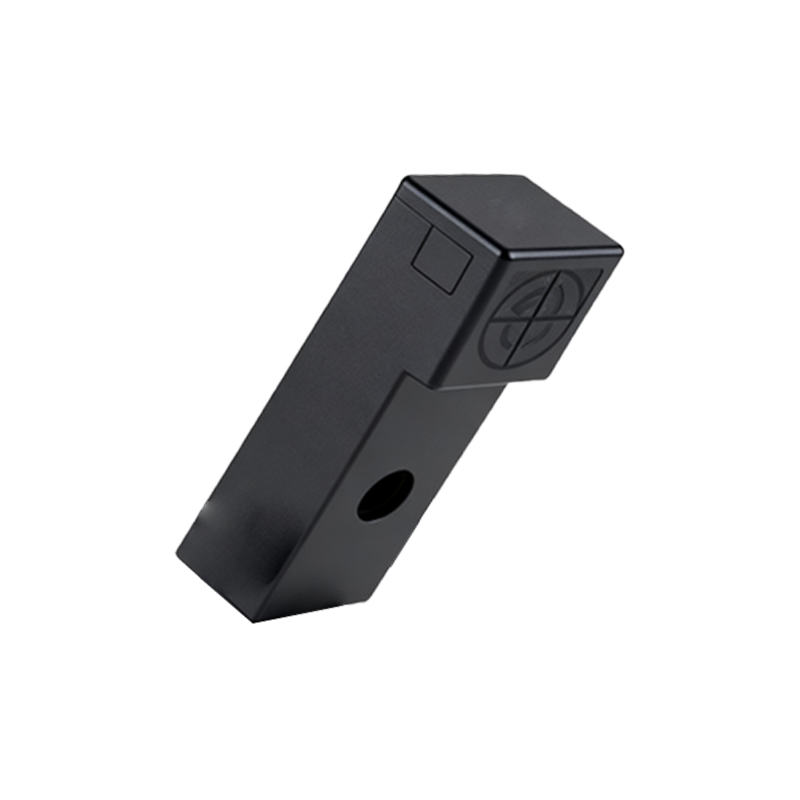
The applications for flat proximity sensors are vast and continually expanding. In consumer electronics, they are the unseen enablers of features like the auto-brightness adjustment on a laptop that senses a user's presence, or the mechanism that turns off a smartphone's display during a call to save power and prevent accidental touches. In industrial settings, they provide precise position feedback for pneumatic cylinders, detect the presence of products on assembly lines, or ensure safety by monitoring guard door positions. The advent of the Internet of Things (IoT) and smart home devices has opened new frontiers, where flat sensors can be invisibly integrated into appliances, lighting systems, and security devices to enable presence-aware automation.
When selecting a flat proximity sensor for a specific application, several key parameters must be considered. Sensing range, while typically shorter than cylindrical sensors due to the compact coil design, must be adequate for the task. The material of the target object is crucial in choosing between inductive and capacitive types. Environmental factors such as temperature extremes, exposure to chemicals, or the presence of strong electromagnetic interference can influence the choice of housing material (often PBT or stainless steel) and internal shielding. Output type (PNP/NPN, analog, IO-Link) and supply voltage compatibility are also essential for seamless integration into existing control systems.
Looking ahead, the trajectory for flat proximity sensors points toward even greater miniaturization, enhanced sensing ranges, and smarter functionalities. Integration with digital communication protocols like IO-Link is becoming standard, providing not just a binary signal but valuable diagnostic data, parameterization capabilities, and condition monitoring. This transforms a simple sensor into an intelligent node within a networked industrial ecosystem. Advances in materials science and circuit design will likely yield sensors that are thinner, more robust, and capable of detecting a wider variety of materials with higher precision.
In conclusion, the flat proximity sensor is more than just a miniaturized component; it is a testament to the trend of seamless integration and intelligent design in technology. By offering reliable, contactless detection in an unobtrusive package, it solves critical design and operational challenges across countless industries. As machines and devices become smarter, smaller, and more interconnected, the humble flat proximity