In the intricate world of automation and smart devices, proximity sensors are the silent sentinels. These non-contact devices detect the presence or absence of nearby objects, enabling countless functions from smartphone screen blanking to complex industrial automation. However, their reliability is not absolute. A significant challenge faced by engineers and users alike is proximity sensor interference—a phenomenon where external factors disrupt the sensor's ability to perform accurately. Understanding this interference is crucial for ensuring system integrity and performance.
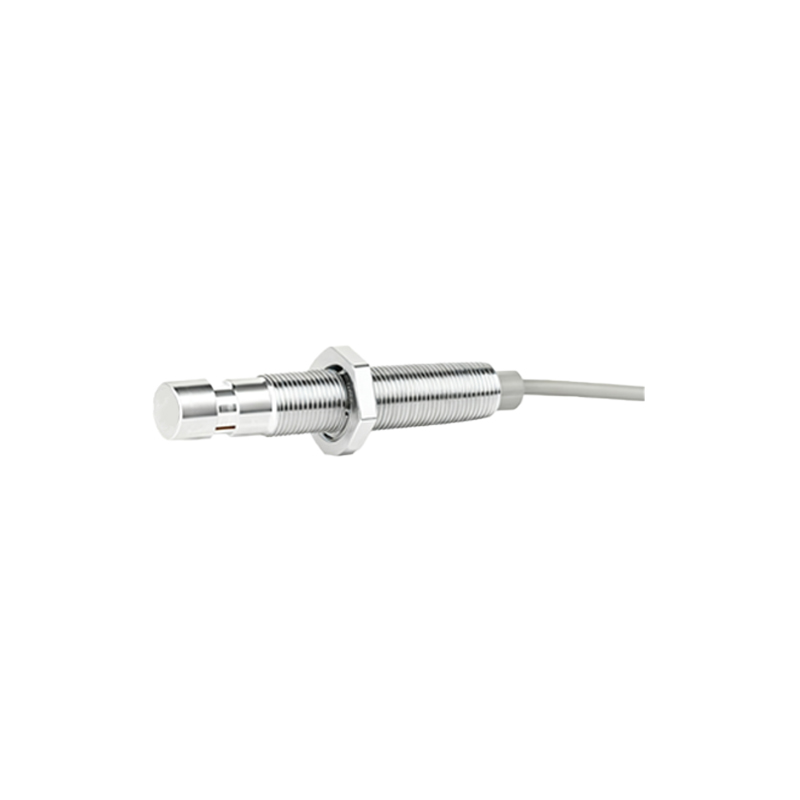
At its core, proximity sensor interference stems from the sensor's operating principle being influenced by an unintended external source. The primary types of sensors—inductive, capacitive, ultrasonic, and optical—each have unique vulnerabilities. Inductive sensors, which generate an electromagnetic field to detect metallic objects, are highly susceptible to interference from other strong electromagnetic sources. Imagine an inductive sensor on a factory floor. A nearby large motor starting up, a welding machine in operation, or even high-current power cables can generate electromagnetic noise that floods the sensor's coil. This noise can mimic the signal of a target object, causing false triggering, or it can swamp the actual signal, leading to missed detections. The sensor might indicate an object is present when the conveyor belt is empty, or fail to detect a crucial metal component, potentially causing jams or quality issues.
Capacitive sensors, which detect changes in capacitance often caused by non-metallic materials, face different challenges. They can be interfered with by environmental factors like humidity, condensation, or the buildup of dust and grime on the sensor face. These contaminants alter the dielectric constant around the sensor, changing its baseline capacitance and leading to erratic behavior. Furthermore, a capacitive sensor designed to detect a plastic bottle on a line might also detect a worker's hand passing too close or changes in the moisture content of the air, resulting in unreliable operation.
Optical sensors, including infrared and laser types, are plagued by ambient light interference. Sunlight, bright factory lighting, or light from other sensors can saturate the receiver, blinding it to its own emitted signal. Conversely, highly reflective backgrounds or objects can cause multiple reflections, making the sensor believe an object is closer than it truly is. Dust, fog, or oil mist in the environment can scatter or attenuate the light beam, reducing effective range and causing dropouts.
The effects of such interference range from minor annoyances to critical system failures. In consumer electronics, a smartphone with a dirty or misaligned proximity sensor might keep the screen off during a call, frustrating the user. In an industrial context, the consequences are magnified. False positives or negatives can lead to incorrect machine sequencing, improper counting of products, unsafe operation of automated guards, or even catastrophic collisions in automated guided vehicle (AGV) systems. The resulting downtime, product waste, and safety risks translate directly into financial loss and compromised operational safety.
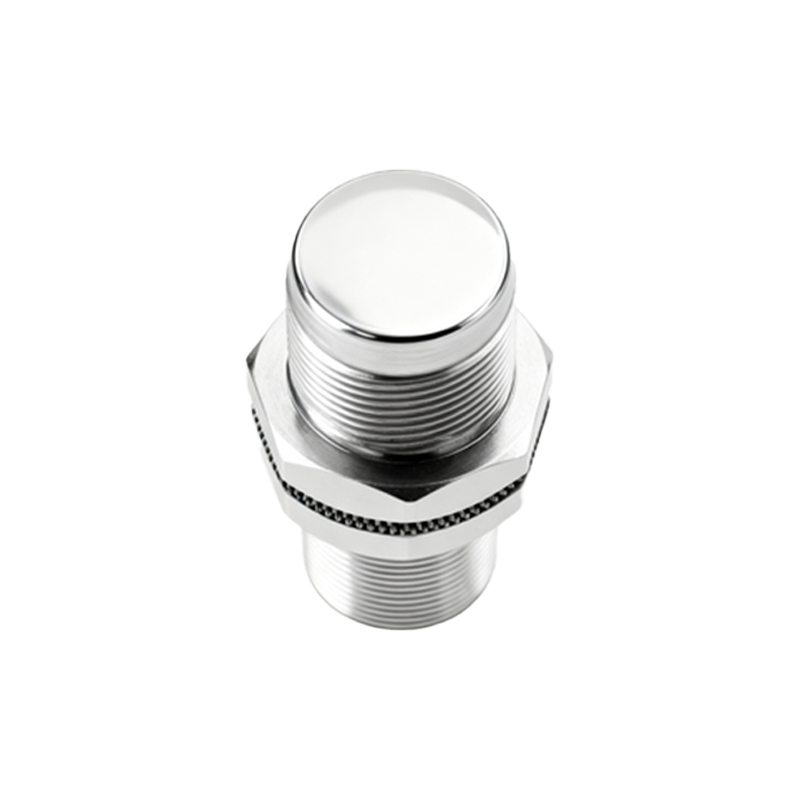
Mitigating proximity sensor interference requires a multi-faceted approach, beginning with proper sensor selection and installation. Choosing a sensor with the right technology for the environment is the first line of defense. For electrically noisy environments, sensors with robust shielding and designed for high noise immunity are essential. Physical installation is equally critical. Maintaining adequate separation between sensors and between sensors and potential noise sources (like motors or drives) is a simple but effective rule. Following manufacturer guidelines for mounting distances and avoiding metal-to-metal contact in inductive sensor mounts can prevent grounding issues that exacerbate interference.
Shielding and filtering are powerful electronic countermeasures. Metal enclosures or shielded cables can contain a sensor's own electromagnetic field and protect it from external fields. Many modern sensors incorporate built-in filtering algorithms that can distinguish between the slow, deliberate change caused by a real target and the rapid fluctuations of electrical noise. Adjusting the sensor's sensitivity or hysteresis setting can also help it ignore minor environmental fluctuations while still detecting valid targets.
For optical sensors, environmental control is key. Using sensors with modulated light signals (where the emitted light is pulsed at a specific frequency) allows the receiver to filter out constant ambient light, only responding to light pulsing at that same frequency. Physical barriers, shrouds, or tubes can be installed to block stray ambient light from reaching the receiver. Regular maintenance to keep lens surfaces clean is a non-negotiable practice in dusty or dirty environments.
Finally, system-level design plays a role. Implementing redundancy, such as using two different types of sensors to monitor the same event, can provide a cross-check. Programmable Logic Controllers (PLCs) can be programmed with logical delays or sequences that require a signal to be stable for a set time before acting, effectively filtering out transient interference spikes.
In conclusion, proximity sensor interference is an inherent challenge, but not an insurmountable one. It demands respect and a proactive engineering mindset. By thoroughly understanding the operating environment, carefully selecting and installing hardware, and employing appropriate shielding, filtering, and logic