In the realm of modern electronics, human proximity sensor chips stand as a cornerstone of intuitive and responsive device interaction. These sophisticated integrated circuits are engineered to detect the presence, absence, or approach of a human body within a defined range without any physical contact. Their operation hinges on various physical principles, primarily capacitive sensing, which is the most prevalent technology in consumer and industrial applications.
A capacitive proximity sensor chip functions by generating an electrostatic field. When a human body, which is a conductive object, enters this field, it causes a measurable change in capacitance. The chip's internal circuitry is precisely calibrated to detect this minute variation, triggering a predefined output signal. This technology is exceptionally sensitive, allowing for detection even through non-conductive materials like glass, plastic, or fabric, which makes it ideal for seamless integration into product designs. Another notable technology is the infrared (IR) sensor, which detects the heat signature or reflected IR light from a human body, though it is more commonly used for presence detection over longer ranges or in specific conditions.
The applications for human proximity sensor chips are vast and continually expanding. In the consumer electronics sector, they are ubiquitous. Smartphones utilize these chips to disable the touchscreen when the device is held to the ear during a call, preventing accidental inputs. Laptops and tablets employ them to conserve power by dimming or turning off the display when the user is not in front of the device. Beyond personal devices, they enhance user experience in smart home systems, automatically turning on lights as a person enters a room or activating faucets and soap dispensers in public restrooms for improved hygiene.

In the automotive industry, these sensors contribute significantly to safety and comfort. They are integral to advanced driver-assistance systems (ADAS), monitoring the driver's presence and attentiveness. An alarm can be sounded if the system detects the driver is not looking at the road or if their hands are not on the steering wheel for an extended period. Interior cabin lights and infotainment systems can also be controlled via proximity sensing.
Industrial and public space applications leverage this technology for efficiency and security. On factory floors, proximity sensors can ensure operator safety by halting machinery when a person is too close to a hazardous area. In retail and exhibitions, they can trigger informational displays or promotional content as visitors approach. Public signage and vending machines use them to activate from a low-power sleep mode, saving energy.
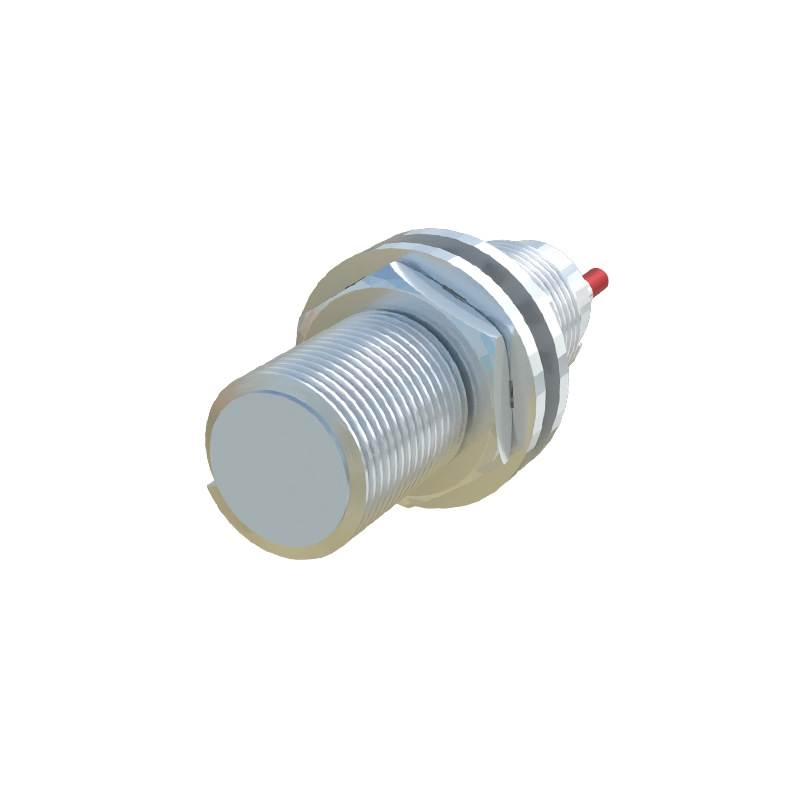
The design and implementation of these chips involve several critical considerations. Designers must account for factors like detection range, which can vary from a few millimeters to several meters, response time, power consumption, and environmental robustness. Immunity to false triggers from environmental noise, such as temperature fluctuations, humidity, or electromagnetic interference, is paramount. Modern chips often incorporate advanced algorithms for digital signal processing to filter out noise and provide reliable, stable performance.
Looking ahead, the future of human proximity sensor technology is intertwined with the growth of the Internet of Things (IoT) and artificial intelligence. Sensor chips are becoming more intelligent, capable of not just detecting presence but also discerning gestures or specific movements. Integration with other sensors, like ambient light sensors or cameras, in multi-sensor fusion systems will enable more contextual and nuanced device responses. Furthermore, the push for lower power consumption will continue, driven by the proliferation of battery-powered IoT devices, making energy-harvesting or ultra-low-power sleep modes a standard feature.
In conclusion, human proximity sensor chips are a silent yet powerful force shaping human-machine interaction. By providing a simple, reliable, and contactless method of detection, they enhance convenience, safety, and energy efficiency across countless applications. As technology evolves, these chips will become even more sensitive, intelligent, and integral to creating a seamlessly interactive world.