Magnetic proximity sensors are essential components in modern automation and control systems. Their ability to detect the presence or absence of a magnetic object without physical contact makes them invaluable across numerous industries. Understanding the factors that influence their performance is crucial for selecting the right sensor for a specific application. This article delves into the core aspects of magnetic proximity sensor performance, exploring operational principles, critical parameters, and real-world use cases.
At its core, a magnetic proximity sensor operates by reacting to changes in a magnetic field. It typically consists of a sensing element, such as a reed switch, Hall-effect IC, or magnetoresistive element, and associated signal conditioning circuitry. When a permanent magnet or a ferromagnetic target (like iron or steel) enters the sensor's detection range, it alters the local magnetic field. This change is detected by the sensing element and converted into an electrical output signal, usually a switch from an open to a closed state (or vice-versa) or a change in voltage level.
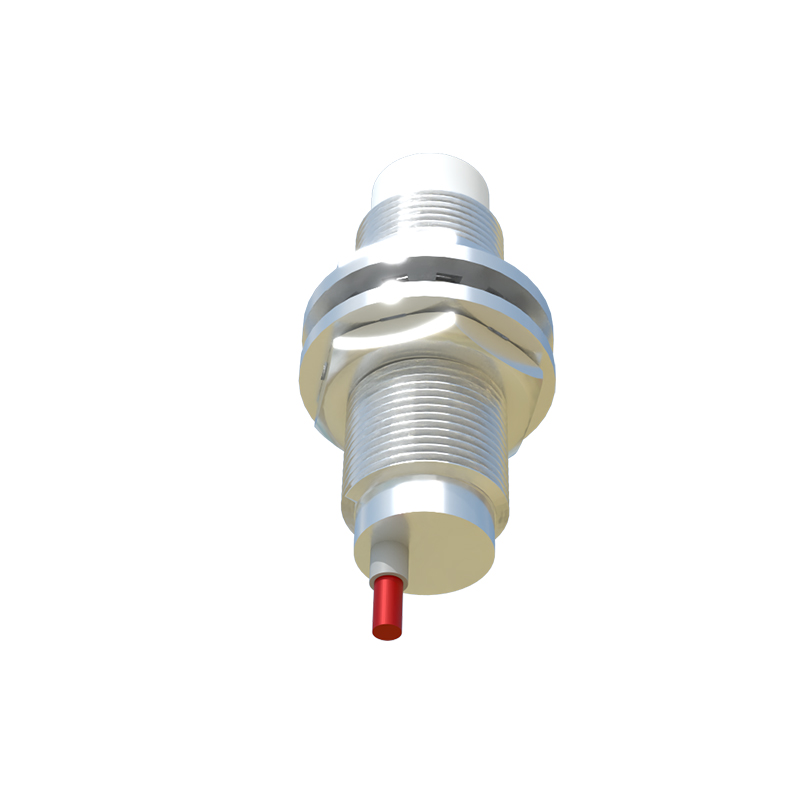
Several key parameters define and limit the performance of a magnetic proximity sensor. The most fundamental is the sensing distance or operating distance. This is the maximum distance at which the sensor can reliably detect a standard target. It is heavily influenced by the strength of the magnet used, the size and material of the target, and the sensitivity of the sensing element itself. Engineers must always consider the rated sensing distance under defined conditions, as environmental factors can affect it.
Repeat accuracy is another vital performance metric. It refers to the sensor's ability to consistently switch at the same point when the target approaches repeatedly. High repeat accuracy is paramount in precision positioning applications, such as in CNC machines or robotic arms, where even millimeter-level inconsistencies can lead to defects.
Switching frequency or response time determines how quickly the sensor can react to a changing magnetic field. It defines the maximum number of switching cycles per second the sensor can handle. Sensors with Hall-effect technology often offer very high switching frequencies, making them suitable for high-speed counting or speed detection tasks, such as monitoring rotational speed on a motor shaft.
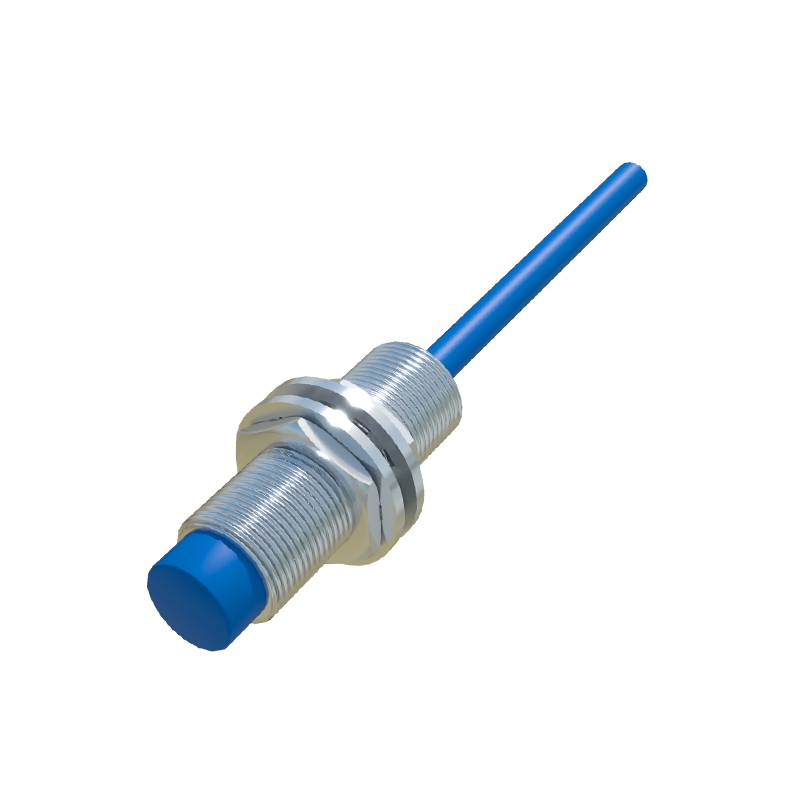
Environmental robustness is a critical aspect of real-world performance. Magnetic proximity sensors are often deployed in harsh conditions involving temperature extremes, humidity, vibration, and shock. Their housing is typically sealed (commonly to IP67 standards) to resist dust and water ingress. The operational temperature range must be specified, as extreme cold can affect magnetic properties and extreme heat can impact electronic components. Furthermore, these sensors are inherently immune to non-metallic contaminants like oil, dirt, or paint, which is a significant advantage over optical sensors.
Electrical characteristics are equally important. The output type must match the control system—common outputs include NPN, PNP, analog, or IO-Link for digital communication. The supply voltage range, current consumption, and protection against reverse polarity or short circuits all contribute to reliable integration into an electrical circuit.

The choice of sensing technology directly impacts performance. Reed switches offer simple, low-power solutions but may have limited life cycles and slower response times. Hall-effect sensors provide solid-state reliability, high speed, and can measure magnetic field strength, enabling them to distinguish between different distances. Magnetoresistive sensors offer exceptional sensitivity and directional sensing capabilities.
In application, these performance factors guide selection. In automotive systems, Hall-effect sensors provide reliable camshaft and crankshaft position sensing due to their high temperature tolerance and accuracy. In factory automation, robust tubular or rectangular sensors monitor cylinder piston position or act as end-of-travel limit switches on conveyors. In consumer electronics, tiny magnetic sensors enable lid-open detection in laptops or screen rotation in smartphones. Safety interlocks on doors and guards often employ magnetic sensors for their reliability and non-contact operation.
To ensure optimal performance, proper installation is non-negotiable. The sensor and magnet must be aligned correctly, as the sensing distance can vary significantly with lateral or axial misalignment. The use of ferromagnetic mounting brackets or nearby metal structures can shield or distort the magnetic field, reducing effective sensing distance. Always refer to the manufacturer's datasheet for installation guidelines and performance curves.
In conclusion, the performance of a magnetic proximity sensor is a multifaceted interplay of sensing distance, accuracy, speed, environmental durability, and electrical compatibility. By thoroughly evaluating these parameters against the demands of the specific application—considering target material, required speed, environmental conditions, and interface needs—engineers and designers can leverage the full potential of these versatile, reliable, and indispensable components to create smarter, more efficient, and more robust automated systems.