Heart rate monitoring has evolved significantly over the years, moving from manual pulse checks to sophisticated electronic devices. Among the latest advancements, laser-based heart rate sensors represent a cutting-edge approach to non-invasive physiological measurement. Unlike traditional optical methods that often use light-emitting diodes (LEDs), laser sensors employ a focused, coherent light beam to detect subtle cardiovascular signals. This technology offers distinct advantages in terms of precision, sensitivity, and potential applications.
The fundamental principle behind a laser heart rate sensor is photoplethysmography (PPG). In this method, a low-intensity laser beam is directed towards the skin, typically at a capillary-rich area like a fingertip or wrist. As the heart beats, blood volume in the vessels changes periodically. These volumetric changes affect how the laser light is absorbed, reflected, or scattered by the blood and surrounding tissue. A photodetector captures the reflected or transmitted light, and the resulting signal is processed to isolate the pulsatile component, which corresponds directly to the heart rate. The coherence and monochromatic nature of laser light allow for deeper tissue penetration and more precise detection of these minute variations compared to broader-spectrum LED light.
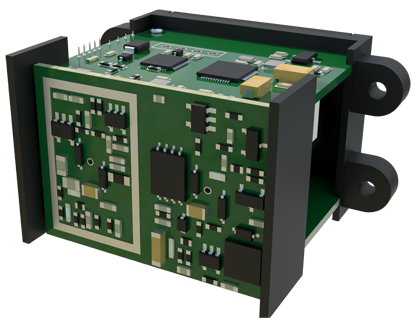
Key technical components of such a system include the laser diode, which emits the light, and a highly sensitive photodiode or avalanche photodetector. The system requires precise optics to focus the beam and filter out ambient light interference. Advanced signal processing algorithms are crucial, as they must extract the clean heart rate signal from noise caused by motion, ambient light changes, and other physiological artifacts. Modern implementations often integrate machine learning techniques to improve accuracy in real-world, dynamic conditions.
The applications for laser-based heart rate monitoring are expanding rapidly. In the consumer electronics space, they are being integrated into next-generation smartwatches and fitness bands, promising more accurate readings during high-intensity workouts where motion noise is significant. The clinical field sees great potential for these sensors in continuous patient monitoring, especially for detecting arrhythmias or assessing vascular health with greater detail. Their sensitivity makes them suitable for emerging areas like affective computing, where heart rate variability (HRV) is used to infer stress or emotional states. Furthermore, in research settings, laser PPG sensors are valuable tools for studying microvascular blood flow and autonomic nervous system responses.
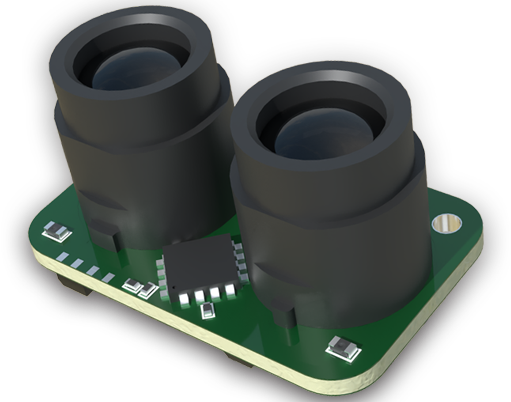
Despite the promise, challenges remain. Laser systems can be more power-intensive and costly than their LED-based counterparts. Safety is a paramount concern, requiring strict adherence to laser classification standards (typically Class 1 or 2) to ensure the low-power beams pose no risk to skin or eyes. Ensuring robustness against motion and maintaining accuracy across diverse skin tones and tissue types are ongoing areas of research and development.
Looking ahead, the miniaturization of laser components and advances in low-power circuitry are paving the way for wider adoption. The integration of laser heart rate sensors with other biometric modalities, like blood oxygen saturation (SpO2) monitoring, is creating more comprehensive health monitoring platforms. As the technology matures, it is poised to deliver clinical-grade heart rate data in compact, wearable form factors, blurring the lines between consumer wellness devices and professional medical tools. This progression underscores a broader trend towards personalized, proactive healthcare enabled by precise, non-invasive sensing technologies.
