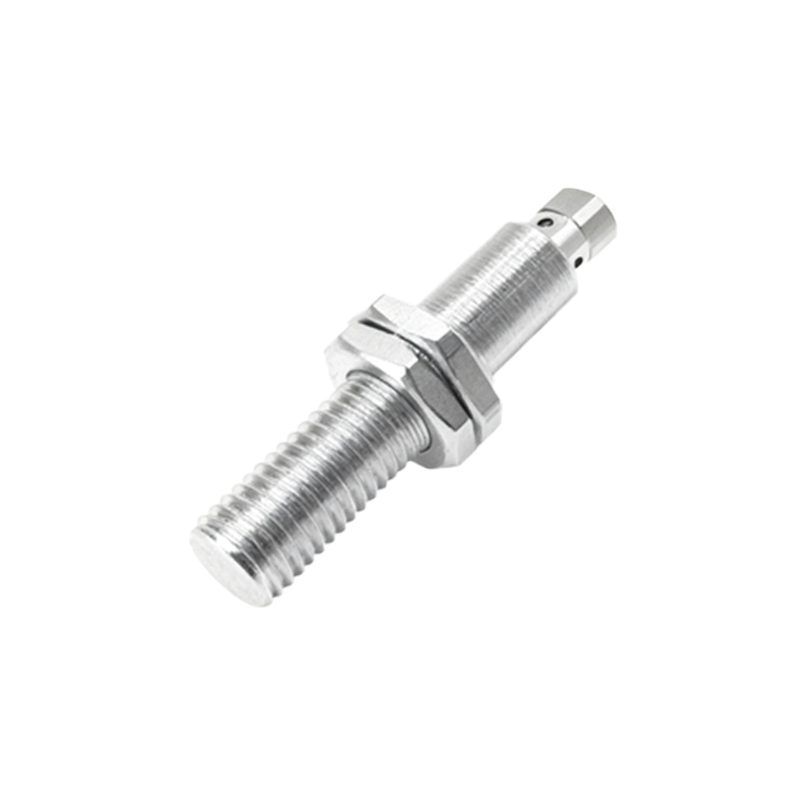
Pneumatic proximity switch sensors are essential components in industrial automation, offering reliable non-contact detection in environments where electrical sensors may pose safety risks. These devices operate by utilizing air pressure changes to detect the presence or absence of objects without physical contact, making them ideal for hazardous areas with explosive atmospheres, high temperatures, or wet conditions. The working principle involves a pneumatic oscillator circuit that generates a stable air flow. When an object approaches the sensing area, it disrupts this flow, causing a pressure change that triggers the switch mechanism. This simple yet effective design ensures high durability and minimal maintenance requirements.
One of the primary advantages of pneumatic proximity sensors is their intrinsic safety. Since they operate solely on compressed air, they eliminate risks associated with electrical sparks, making them suitable for industries such as chemical processing, mining, and oil refineries. Additionally, these sensors are resistant to electromagnetic interference (EMI) and can function in extreme temperatures ranging from -40°C to 150°C, where electronic sensors might fail. Their robust construction, often featuring stainless steel or brass housings, ensures longevity even in corrosive or dusty environments.
Applications of pneumatic proximity switches are diverse. In manufacturing lines, they detect product positioning on conveyor belts, monitor robotic arm movements, and ensure proper alignment in assembly processes. In the food and beverage industry, their clean operation without risk of contamination makes them perfect for packaging and bottling systems. They are also widely used in woodworking and metalworking machinery to prevent collisions and optimize tool paths. Installation is straightforward, typically requiring connection to a compressed air supply and adjustment of sensitivity via a regulator valve. Calibration involves setting the detection distance, which can range from a few millimeters to several centimeters depending on the model.
When selecting a pneumatic proximity sensor, key parameters to consider include response time, operating pressure range, and output type (such as digital or analog signals). Regular maintenance involves checking for air leaks, cleaning the sensing orifice, and ensuring a clean, dry air supply to prevent clogging. Compared to inductive or capacitive sensors, pneumatic versions may have slower response times but excel in harsh conditions where reliability outweighs speed. Innovations in this field include miniaturized designs for tight spaces and integrated smart features for predictive maintenance.
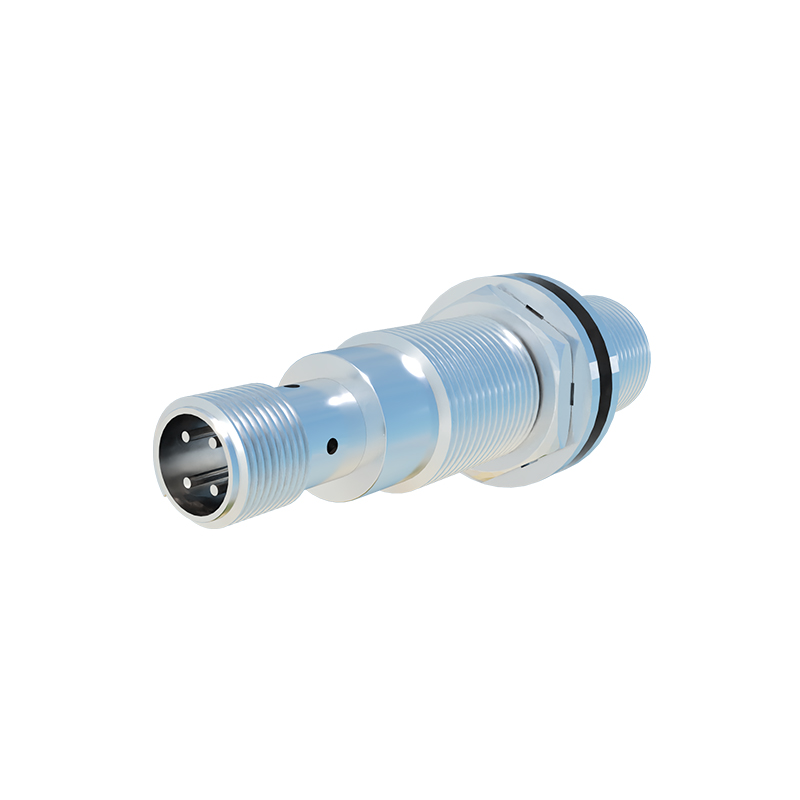
In summary, pneumatic proximity switch sensors provide a safe, robust solution for object detection in challenging industrial settings. Their simplicity, combined with high resistance to environmental factors, ensures consistent performance where other sensor types might falter. As automation evolves, these sensors continue to play a critical role in enhancing operational safety and efficiency across various sectors.