In the realm of industrial automation and machinery, precision and reliability are non-negotiable. A critical, yet often overlooked, component that ensures the consistent performance of sensing systems is the proximity sensor mounting base. This hardware serves as the fundamental interface between the sensitive electronic sensor and the often harsh, vibrating industrial environment. Its primary function is to provide a secure, stable, and precisely aligned platform for the sensor, guaranteeing accurate and repeatable detection of target objects.
The design and selection of an appropriate mounting base are paramount for optimal sensor functionality. A poorly chosen or installed base can lead to a cascade of operational issues. Vibration from motors, conveyors, or other machinery can cause sensor misalignment, resulting in false triggering or missed detections. Physical impacts or accidental knocks can damage the sensor itself if it is not properly shielded and secured. Furthermore, environmental factors like dust, moisture, or chemical exposure can be mitigated by bases designed with specific seals or materials. The mounting base acts as the first line of defense, absorbing mechanical stress and protecting the sensor's integrity.
Several key types of mounting bases are prevalent in industrial settings. The most common is the standard threaded barrel mount, where the cylindrical sensor body screws directly into a pre-tapped hole in a bracket or machine frame. For applications requiring fine adjustment, adjustable mounting brackets are indispensable. These often feature slotted holes or swivel joints, allowing technicians to micro-adjust the sensor's position horizontally, vertically, or angularly after installation to achieve the perfect sensing gap. In high-vibration environments, anti-vibration mounts made from dampening materials like rubber or specialized polymers are used to isolate the sensor from harmful frequencies. For harsh conditions, fully enclosed protective housings with built-in mounting flanges safeguard the sensor from particulates and liquids, often conforming to IP (Ingress Protection) ratings.
Material selection for mounting bases is equally critical. Durable metals like stainless steel or anodized aluminum are standard for their strength, corrosion resistance, and longevity in demanding environments. Engineering plastics, such as POM (Polyoxymethylene) or PEEK, are chosen for applications requiring electrical insulation, lighter weight, or resistance to specific chemicals. The material must be compatible with both the sensor housing and the installation environment to prevent galvanic corrosion or material degradation.
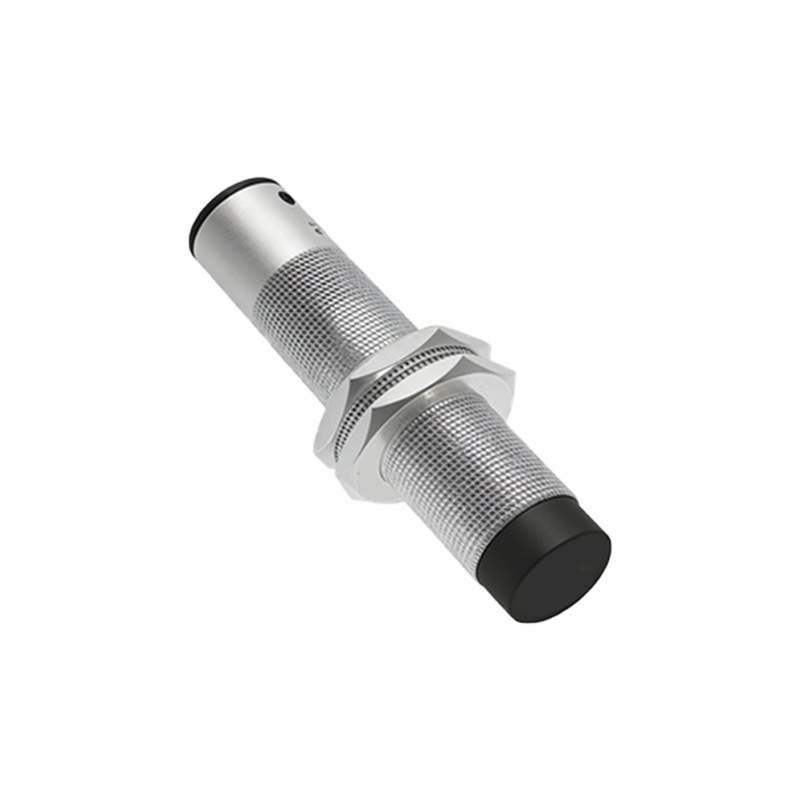
Proper installation is the final step to unlocking the full potential of a proximity sensor and its base. The mounting surface must be clean, flat, and rigid to prevent flexing. Following the manufacturer's specified tightening torque is essential; over-tightening can distort the sensor housing or thread, while under-tightening leaves it vulnerable to loosening from vibration. For inductive proximity sensors, maintaining the correct sensing distance—typically a percentage of the sensor's nominal range—from the target is crucial. The mounting base facilitates this by allowing precise and locked positioning. After installation, a thorough functional test should be conducted, checking the sensor's response across the full range of expected target positions to confirm stability and accuracy.
In conclusion, the proximity sensor mounting base is far from a simple accessory. It is an engineered component vital for system reliability, accuracy, and longevity. Investing time in selecting the correct type, material, and installation method for the mounting base pays significant dividends by reducing downtime, minimizing false readings, and protecting valuable sensor assets. By ensuring a solid mechanical foundation, engineers and maintenance personnel can trust that their proximity sensing systems will perform consistently, forming a reliable backbone for automated processes and machine safety.