Proximity sensors have become integral components across numerous industries, enabling devices to detect the presence or absence of objects without physical contact. These sensors operate on various principles, including inductive, capacitive, ultrasonic, and optical technologies, each suited to specific environments and materials. Their ability to provide reliable, non-contact detection makes them essential for enhancing efficiency, safety, and user experience.
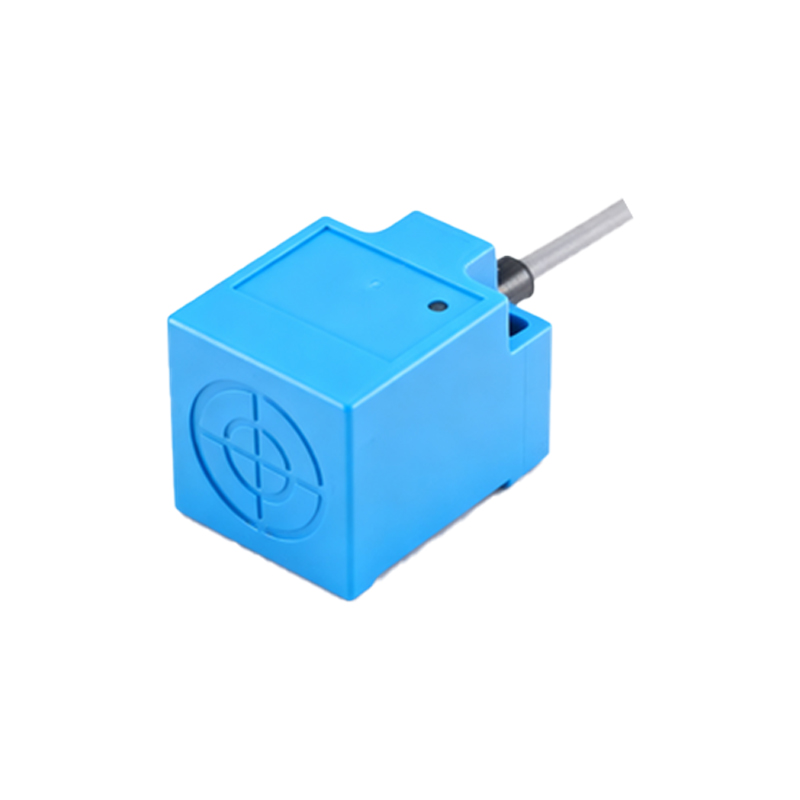
In industrial automation, proximity sensors are widely used for object detection, positioning, and counting on assembly lines. Inductive sensors, for instance, excel in detecting metallic objects in harsh environments, such as manufacturing plants, where dust, moisture, or extreme temperatures are common. They help in monitoring machine parts, ensuring precise control in robotic arms, and preventing collisions in automated guided vehicles (AGVs). Capacitive sensors, on the other hand, can detect non-metallic materials like plastics, liquids, or wood, making them valuable in packaging, food processing, and pharmaceutical industries.
The automotive sector relies heavily on proximity sensors for safety and convenience features. Ultrasonic sensors are commonly employed in parking assistance systems, alerting drivers to obstacles during low-speed maneuvers. These sensors measure distance by emitting sound waves and calculating the time taken for echoes to return. Additionally, capacitive proximity sensors enable touchless controls in infotainment systems, allowing drivers to adjust settings with simple gestures, thereby reducing distractions. Advanced driver-assistance systems (ADAS) also integrate radar-based proximity sensors for adaptive cruise control and collision avoidance, enhancing road safety.
Consumer electronics have seen a surge in proximity sensor applications, particularly in smartphones and tablets. Infrared (IR) sensors detect when a device is held near the user's ear during a call, automatically turning off the display to prevent accidental touches and conserve battery life. Similarly, gesture recognition in smart home devices, like voice assistants or lighting controls, often uses optical proximity sensors to interpret hand movements, offering a seamless, interactive experience. Wearable technology, such as fitness trackers, utilizes these sensors to monitor user proximity for features like screen activation or sleep tracking.
In healthcare, proximity sensors contribute to hygiene and operational efficiency. Non-contact switches in medical equipment, like surgical tools or diagnostic machines, minimize contamination risks by eliminating the need for physical buttons. Ultrasonic sensors assist in monitoring fluid levels in IV drips or detecting occupancy in hospital beds, streamlining patient care. Furthermore, capacitive sensors are integrated into hand sanitizer dispensers, ensuring touch-free operation to uphold sterile environments.
Retail and security systems also benefit from proximity sensing technology. In retail, sensors trigger automatic doors, manage inventory by detecting stock levels on shelves, or enable interactive displays that respond to customer proximity. Security applications include motion-activated lighting, intrusion detection alarms, and access control systems that use RFID or biometric sensors for authentication. These implementations not only improve energy efficiency but also enhance safety in public and private spaces.
As technology advances, proximity sensors are evolving with improved accuracy, smaller form factors, and lower power consumption. Innovations like time-of-flight (ToF) sensors offer precise 3D mapping for applications in augmented reality (AR) and robotics. The Internet of Things (IoT) ecosystem further expands their utility, enabling smart cities with sensor-driven traffic management, waste monitoring, and environmental sensing. Despite challenges like interference or material limitations, ongoing research focuses on adaptive algorithms and multi-sensor fusion to overcome these hurdles.
Ultimately, proximity sensors play a pivotal role in bridging the physical and digital worlds. Their versatility across industrial, automotive, consumer, healthcare, and retail domains underscores their importance in driving automation, safety, and innovation. By facilitating intuitive interactions and efficient processes, these sensors continue to shape the future of technology, making everyday systems smarter and more responsive to human needs.