Hall effect proximity sensors are solid-state devices that detect the presence or absence of a target object without physical contact. Their operation is based on the fundamental Hall effect, discovered by Edwin Hall in 1879. This principle states that when a current-carrying conductor or semiconductor is placed in a perpendicular magnetic field, a voltage difference, known as the Hall voltage, is generated across the material. This voltage is perpendicular to both the current flow and the magnetic field direction.
A typical Hall effect proximity sensor consists of several key components. The core is a thin rectangular semiconductor element, often made from materials like gallium arsenide, indium antimonide, or silicon. This Hall element has four electrical contacts: two for supplying a constant bias current and two for measuring the resulting Hall voltage. This assembly is integrated with a permanent magnet, which provides a fixed magnetic field. The entire system is housed in a rugged package suitable for industrial environments.
In its normal state, with no target present, the Hall element is exposed to the constant magnetic field from the built-in magnet. This generates a stable, baseline Hall voltage. When a ferromagnetic target, such as a steel gear tooth or a metal actuator, approaches the sensor's active face, it disturbs and concentrates the magnetic field lines. This change in magnetic flux density is sensed by the Hall element. The intensified field causes a proportional increase in the Hall voltage. An integrated electronic circuit, including a differential amplifier and a Schmitt trigger, processes this voltage change. Once the voltage exceeds a predefined threshold, the sensor's solid-state output switch—which can be NPN, PNP, or a digital signal—changes state. This provides a clean, bounce-free signal indicating the target's presence. When the target moves away, the magnetic field weakens, the Hall voltage drops below the release threshold, and the output switch returns to its original state.
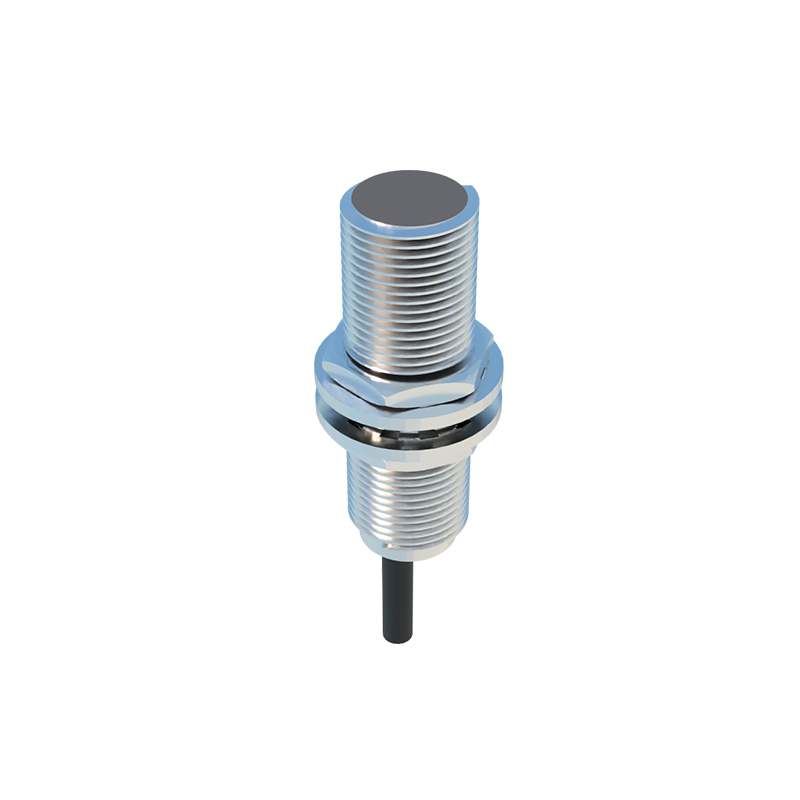
These sensors are distinguished by several operational characteristics. They are true zero-speed sensors, capable of detecting static magnetic fields, meaning they can sense a stationary target. Their switching point is precise and repeatable, as it depends on the magnetic field strength rather than mechanical movement. They are inherently immune to environmental factors like dust, oil, moisture, and acoustic noise that plague other sensing technologies. Since there is no physical contact and no moving parts, they offer exceptionally long service life and high reliability. Common output configurations include digital (on/off), analog (proportional to distance), and current-loop options.
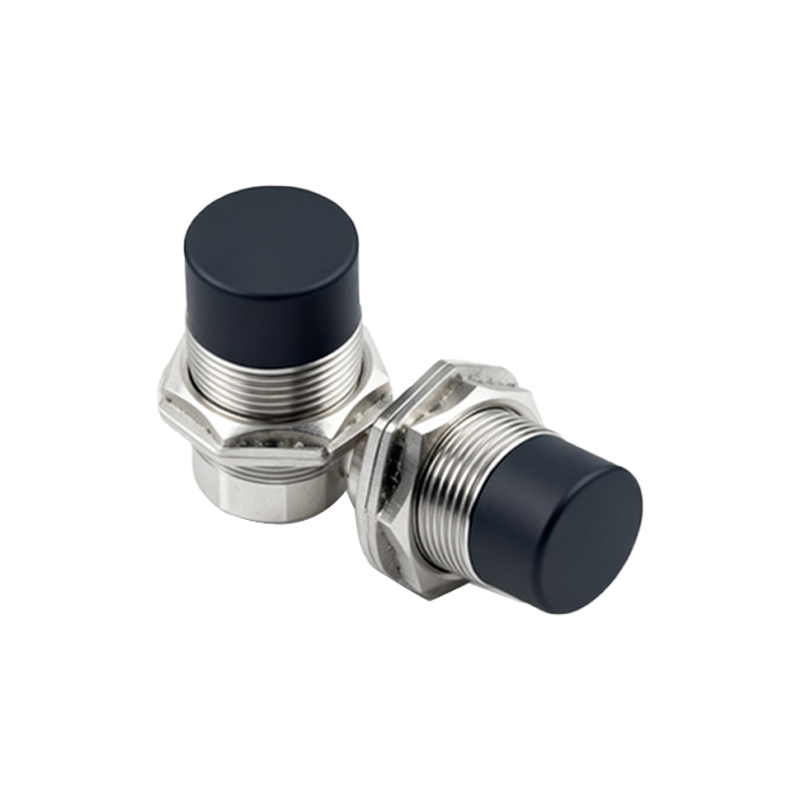
Hall effect proximity sensors find extensive application across industries. In automotive systems, they are used for crankshaft and camshaft position sensing, anti-lock braking systems (ABS) wheel speed detection, and gearbox monitoring. Factory automation relies on them for counting, limit switching, and detecting the position of cylinders, conveyors, and robotic arms. Consumer electronics use miniature versions in laptop lid closures and smartphone flip covers. Their robustness makes them ideal for harsh conditions in material handling, metalworking, and agricultural machinery.
When selecting a Hall sensor, key parameters must be considered. The sensing distance, or nominal range, is typically short, from 1mm to 30mm, and is influenced by target material, size, and shape. Ferrous metals provide the longest range. Switching frequency defines how quickly the sensor can respond, with some models capable of over 100 kHz. The output type must match the control system's input requirements. Environmental ratings for temperature, vibration, and ingress protection (IP rating) are critical for durability. Proper installation is also crucial; sensors must be mounted securely to prevent vibration-induced errors, and the target must approach the correct sensing face for optimal performance.
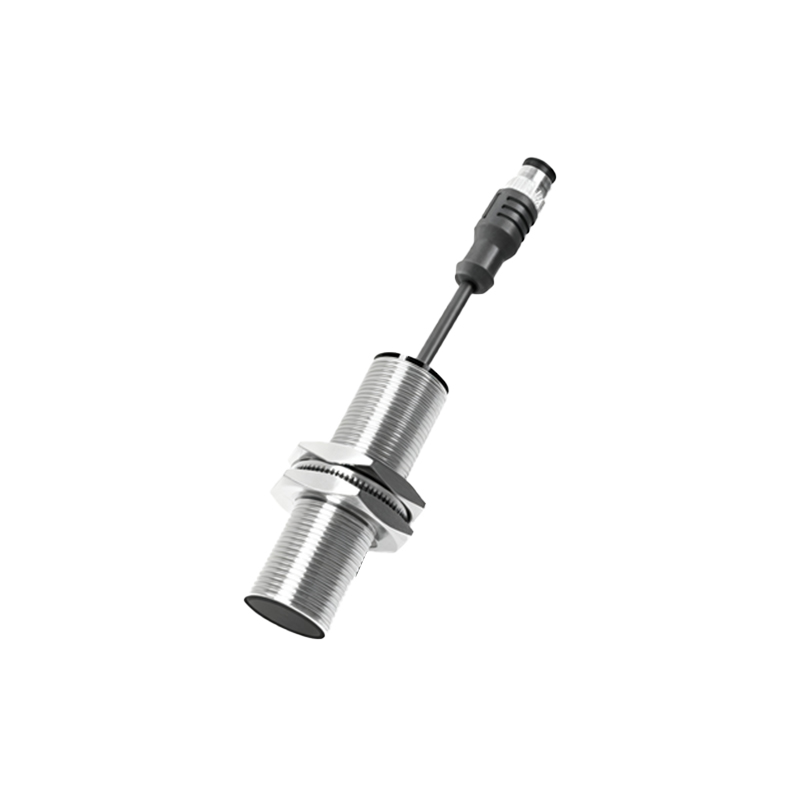
Compared to inductive proximity sensors, Hall effect sensors respond to magnetic fields rather than eddy currents, allowing them to detect both moving and static ferrous targets. Unlike optical sensors, they are unaffected by dirty environments. The main limitations include a relatively shorter sensing range compared to some technologies and sensitivity primarily to ferromagnetic materials, though special versions can detect permanent magnets. Modern advancements focus on integration, with smart sensors incorporating microprocessors for diagnostics, temperature compensation, and programmable switching points, enhancing their versatility in sophisticated industrial Internet of Things (IIoT) applications.