Proximity sensors have become indispensable components across various industries, enabling devices to detect the presence or absence of objects without physical contact. These sensors operate on principles such as electromagnetic fields, infrared radiation, or ultrasonic waves, offering reliable performance in diverse environments. Their ability to provide non-contact detection makes them ideal for applications where hygiene, safety, or precision is paramount.
In the automotive sector, proximity sensors play a critical role in enhancing safety and convenience. They are integrated into parking assistance systems, alerting drivers to obstacles during low-speed maneuvers. Advanced driver-assistance systems (ADAS) utilize these sensors to monitor blind spots, preventing collisions when changing lanes. Additionally, automatic door systems in vehicles rely on proximity detection to open or close doors smoothly, improving accessibility for passengers.
Industrial automation heavily depends on proximity sensors for efficient and safe operations. On assembly lines, sensors detect the position of components, ensuring accurate placement and timing in manufacturing processes. Robotic arms use proximity feedback to handle delicate items or navigate around obstacles, reducing the risk of damage. In hazardous environments, such as chemical plants, non-contact sensors minimize exposure to dangerous materials by enabling remote monitoring and control.
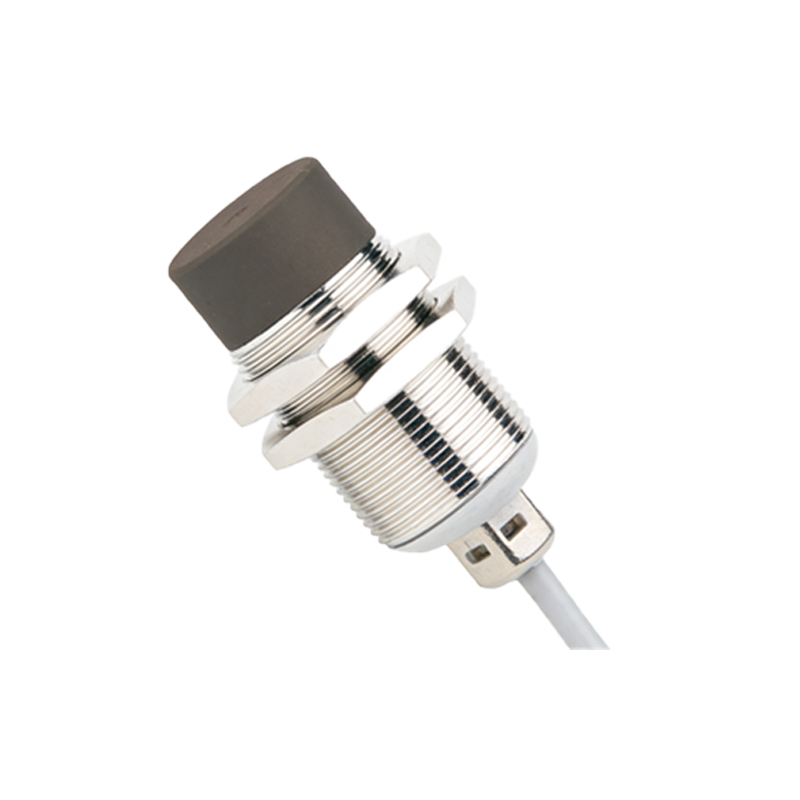
Consumer electronics have widely adopted proximity sensors to improve user experience. Smartphones incorporate these sensors to deactivate touchscreens during calls, preventing accidental inputs from cheek contact. Laptops and tablets use similar technology to conserve power by dimming screens when users are not nearby. Home appliances like automatic faucets and soap dispensers in public restrooms promote hygiene by triggering water flow or soap release through hand detection.
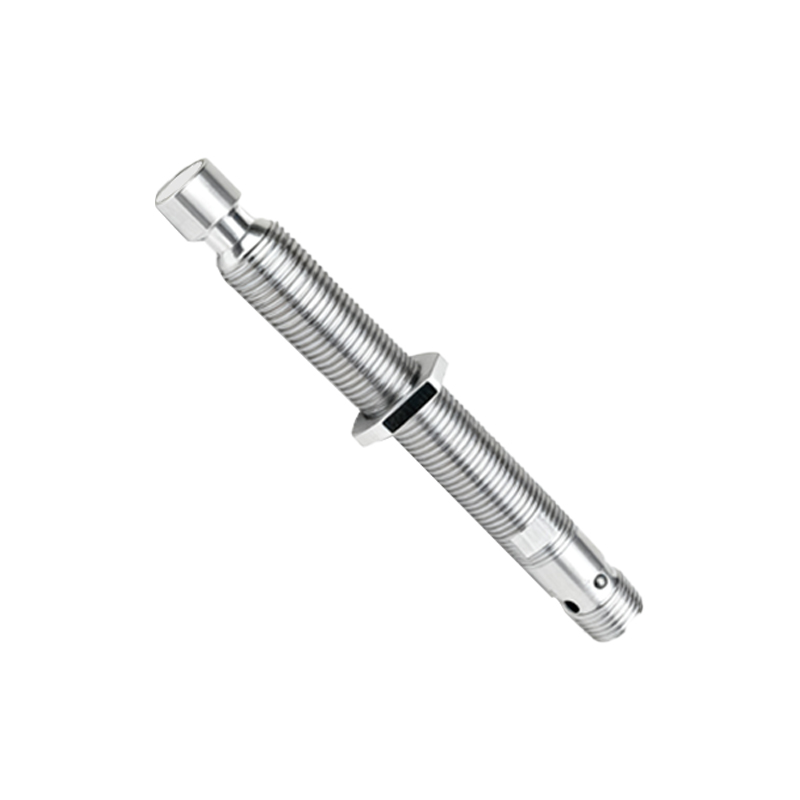
Healthcare applications benefit from the precision and hygiene of proximity sensors. Medical devices, such as infusion pumps, employ sensors to monitor fluid levels without contamination risks. Hospital equipment like automated doors or hand-sanitizer stations reduces cross-contamination by enabling touchless operation. In diagnostic tools, proximity detection assists in positioning samples or instruments accurately, enhancing measurement reliability.
The aerospace and defense industries utilize proximity sensors for navigation and safety. Aircraft landing systems incorporate sensors to gauge altitude and proximity to terrain, aiding pilots during low-visibility conditions. Drones use these sensors for obstacle avoidance, allowing autonomous flight in complex environments. Military applications include surveillance systems that detect movement or intrusion in restricted areas, bolstering security measures.
Retail and logistics sectors leverage proximity sensors for inventory management and customer service. Smart shelves in stores detect when products are running low, automatically triggering restock alerts. Warehouse robots navigate storage facilities using sensor arrays to locate and retrieve items efficiently. In logistics, package sorting systems rely on proximity detection to identify and route parcels accurately, speeding up delivery processes.
Environmental monitoring and smart agriculture also harness proximity sensor technology. Weather stations use sensors to measure precipitation levels or wind proximity without mechanical parts that could wear out. In agriculture, automated irrigation systems activate based on soil moisture detection, optimizing water usage. Livestock management employs sensors to track animal movements, ensuring herd safety and health.
As technology advances, proximity sensors continue to evolve with improved sensitivity, smaller sizes, and lower power consumption. Innovations like IoT integration enable real-time data collection and remote control, expanding their applications further. From everyday gadgets to complex industrial systems, proximity sensors enhance efficiency, safety, and convenience, solidifying their role as foundational elements in modern engineering and design.