In industrial automation and machinery, metal proximity sensors play a crucial role in detecting the presence or absence of metallic objects without physical contact. A fundamental and often specified parameter for these sensors is the sensing distance. This distance, typically measured in millimeters or inches, defines the maximum range at which a sensor can reliably detect a standard target. Understanding the factors that influence this distance is key to selecting the right sensor for an application and ensuring system reliability.
The rated or nominal sensing distance is the theoretical value under ideal conditions, as specified by the manufacturer. It is usually defined using a standard target, which for inductive proximity sensors (the most common type for metal detection) is often a square of mild steel (Fe 360) with a side length equal to the sensor's diameter or the rated sensing distance, whichever is greater, and a thickness of 1 mm. It is critical to note that this is a reference value. The actual, usable sensing distance in a real-world installation is typically less due to several influencing factors.
One of the primary factors is the target material. Inductive sensors generate an electromagnetic field. Different metals interact with this field in varying ways. The sensing distance is normalized for mild steel. For other metals, a correction or reduction factor must be applied. For instance, stainless steel (austenitic, non-magnetic) may reduce the effective sensing distance to about 60-80% of the rated value. Aluminum and copper, being non-ferrous and good conductors, can reduce it even further, sometimes to as low as 30-40%. Brass and bronze also have significant reduction factors. Always consult the sensor datasheet for specific correction factors for different materials.
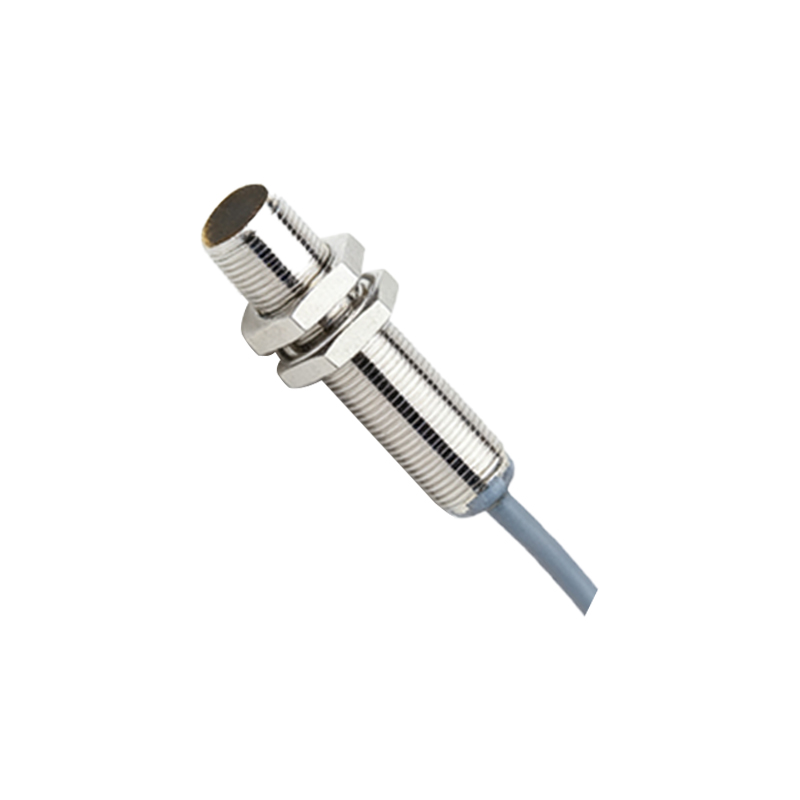
The size and shape of the target object are equally important. The standard target is defined for a reason. If the actual target is smaller than the standard target, the effective sensing distance decreases. A very thin wire, for example, will be detectable only at a much shorter range than a solid block of metal. The sensor's electromagnetic field needs a sufficient mass of metal to trigger a reliable switch. Similarly, the shape matters; a rounded surface facing the sensor presents less area than a flat surface, potentially reducing the range.
Environmental conditions and installation practices have a direct impact. Temperature extremes can affect the electronic components and the oscillation circuit of the sensor, potentially altering its sensitivity and thus the sensing distance. Most sensors are rated for a specific operating temperature range. The presence of other metals in the vicinity can also be a concern. If a sensor is mounted flush in a metal bracket, its field is not impeded. However, if it is mounted non-flush (with its sensing face protruding), surrounding metal can dampen the electromagnetic field, effectively reducing the nominal sensing distance. This is why many sensors specify both a flush-mounted and a non-flush mounted sensing distance.
Electrical noise from nearby motors, frequency drives, or welding equipment can interfere with the sensor's signal, potentially causing false triggers or reduced sensitivity, which indirectly affects reliable sensing distance. Using shielded cables and proper grounding is essential in electrically noisy environments. Supply voltage variations can also slightly affect performance, though modern sensors have good voltage tolerance.
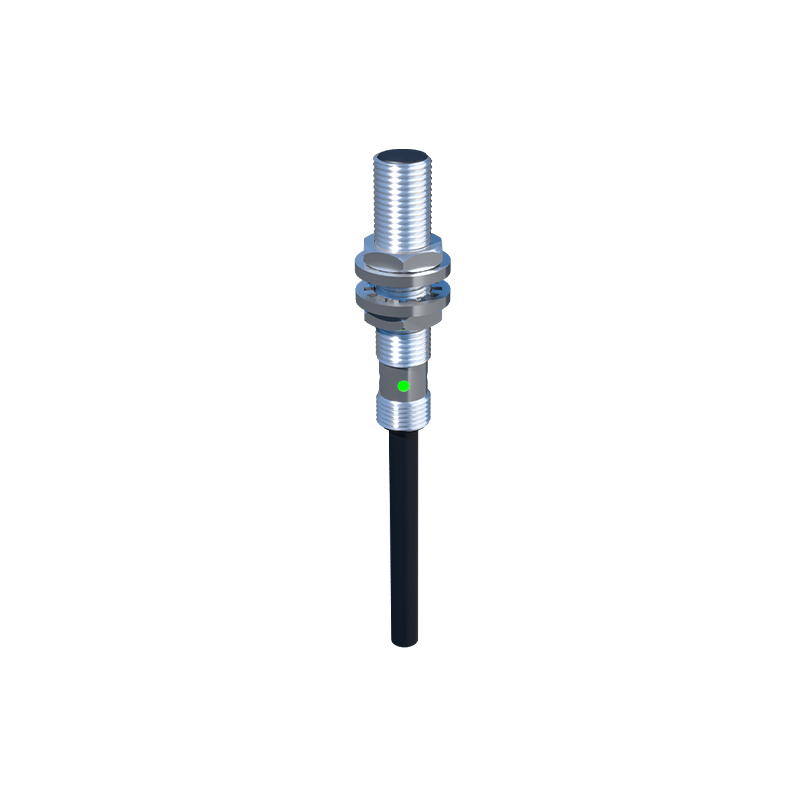
To ensure consistent operation, it is standard practice to derate the nominal sensing distance. A common rule of thumb is to use only 60-80% of the rated sensing distance for the actual installation. This safety margin, or operational factor, accounts for material variations, temperature drift, voltage fluctuations, and mounting tolerances. It prevents marginal detection scenarios where a sensor might trigger unreliably.
When selecting a sensor, considering the required sensing distance is just the start. One must also define the target material, size, and the environmental conditions. Always refer to the manufacturer's technical data, which provides detailed graphs for reduction factors, temperature influences, and mounting instructions. Proper installation, following guidelines for minimum distances between multiple sensors to prevent mutual interference, is crucial.
In summary, the sensing distance of a metal proximity sensor is not a single fixed number but a system-dependent variable. By understanding the interplay of target material, size, installation, and environment, engineers and technicians can deploy these robust sensors effectively, ensuring precise, reliable, and maintenance-free operation in countless automation applications, from assembly lines and packaging machinery to robotic cells and safety systems.