Square proximity sensors are essential components in modern industrial automation, offering reliable non-contact detection for various applications. These sensors are specifically designed with a square housing, making them ideal for installations where space optimization and consistent performance are critical. Unlike cylindrical sensors, square proximity sensors provide a larger sensing surface area, which can enhance detection capabilities in certain configurations.
The primary advantage of square proximity sensors lies in their versatility. They are commonly used in manufacturing lines, packaging machinery, material handling systems, and robotic applications. Their robust construction typically features IP67 or higher ingress protection ratings, ensuring durability in challenging environments with dust, moisture, or vibration. Many models incorporate LED indicators for easy status monitoring and diagnostics, reducing maintenance downtime.
When selecting square proximity sensors, several technical specifications require careful consideration. Sensing range varies between models, typically from 2mm to 15mm for standard inductive sensors. The choice between inductive, capacitive, or ultrasonic types depends on the target material—inductive sensors detect metals, capacitive sensors handle non-metals, and ultrasonic sensors work with various materials regardless of color or transparency. Output configurations include NPN, PNP, or analog outputs, with 2-wire or 3-wire connection options to match control system requirements.
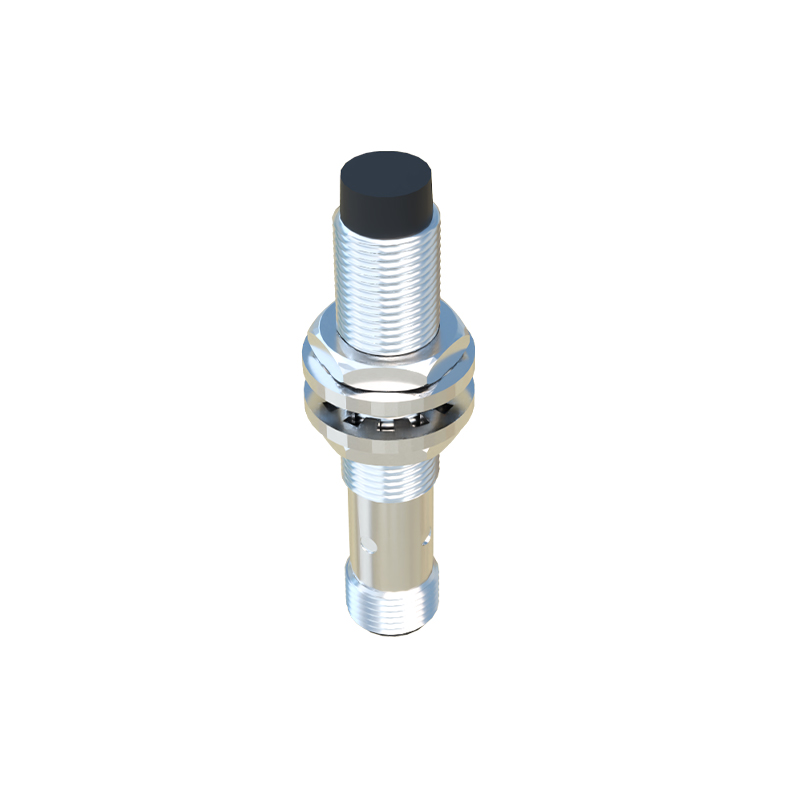
Installation practices significantly impact sensor performance. Square sensors often feature built-in mounting holes or slots for secure attachment. Proper alignment with the target object is crucial, as the sensing field extends perpendicularly from the front face. Environmental factors like temperature extremes, electromagnetic interference, or chemical exposure should inform the selection of housing materials such as nickel-plated brass, stainless steel, or PBT plastic.
Modern square proximity sensors incorporate advanced features like short-circuit protection, reverse polarity protection, and temperature compensation. Some models offer adjustable sensitivity or teach-in functions for precise calibration. For specialized applications, manufacturers provide variants with extended temperature ranges (-25°C to 85°C), high-speed response (up to 5kHz), or enhanced resistance to welding fields and cutting fluids.
Procurement considerations extend beyond technical specifications. Reputable suppliers maintain comprehensive inventory with detailed documentation including datasheets, dimension drawings, and compliance certificates (CE, UL, RoHS). Many industrial distributors offer value-added services like technical support, custom cable assemblies, and just-in-time delivery programs. When sourcing square proximity sensors, verify manufacturer warranties, availability of replacement parts, and compatibility with existing system components.
The market offers numerous brands with varying quality levels. Established manufacturers typically invest in rigorous testing procedures, ensuring consistent performance and longevity. While price remains a consideration, total cost of ownership should account for reliability, mean time between failures, and compatibility with industry standards like IEC 60947-5-2. For bulk purchases, request product samples to validate performance in actual operating conditions before committing to large orders.
Maintenance practices prolong sensor lifespan. Regular cleaning of sensing faces prevents false triggers from debris accumulation. Periodic verification of sensing distance and output signals helps identify gradual performance degradation. In networked systems, diagnostic functions via IO-Link or other industrial protocols enable predictive maintenance strategies. Always follow manufacturer guidelines for installation, operation, and troubleshooting to ensure optimal performance.
Square proximity sensors continue evolving with industry trends. Miniaturization allows for compact designs without sacrificing sensing range. Enhanced EMC immunity ensures stable operation in electrically noisy environments. Smart sensors with embedded diagnostics and communication capabilities are becoming increasingly accessible, bridging traditional automation with Industry 4.0 initiatives. These developments make square proximity sensors more adaptable to diverse application requirements while improving system integration efficiency.
Whether upgrading existing equipment or designing new systems, proper selection of square proximity sensors contributes significantly to operational reliability. Consult with technical specialists to match sensor characteristics with specific application parameters. Document sensor locations and specifications within maintenance records to streamline future replacements or expansions. With careful consideration of technical requirements and supplier capabilities, square proximity sensors provide dependable performance that supports continuous operation in demanding industrial environments.