In today's rapidly advancing industrial landscape, the demand for reliable, efficient, and non-contact sensing solutions has never been greater. Among the various technologies available, proximity sensors stand out as a cornerstone of modern automation. These devices, which detect the presence or absence of an object without physical contact, offer a multitude of benefits that directly translate into enhanced operational performance, safety, and cost-effectiveness.
The fundamental principle behind a proximity sensor is its ability to generate an electromagnetic field or a beam of radiation and react to a change in the field or the return signal. The primary types include inductive, capacitive, ultrasonic, and photoelectric sensors, each suited for specific materials and environmental conditions. This inherent versatility is one of their greatest strengths. For instance, inductive sensors are ideal for detecting metallic objects, while capacitive sensors can handle non-metallic materials like wood, plastic, or liquids. This specificity allows for precise application in diverse settings.
One of the most significant advantages of proximity sensors is their non-contact operation. Unlike mechanical limit switches that require physical touch to activate, proximity sensors detect objects from a distance. This eliminates mechanical wear and tear, dramatically increasing the sensor's lifespan and reducing maintenance costs and downtime. The absence of physical contact also means there is no risk of damaging delicate or sensitive target objects, making them perfect for applications in electronics assembly, food packaging, or pharmaceutical manufacturing.
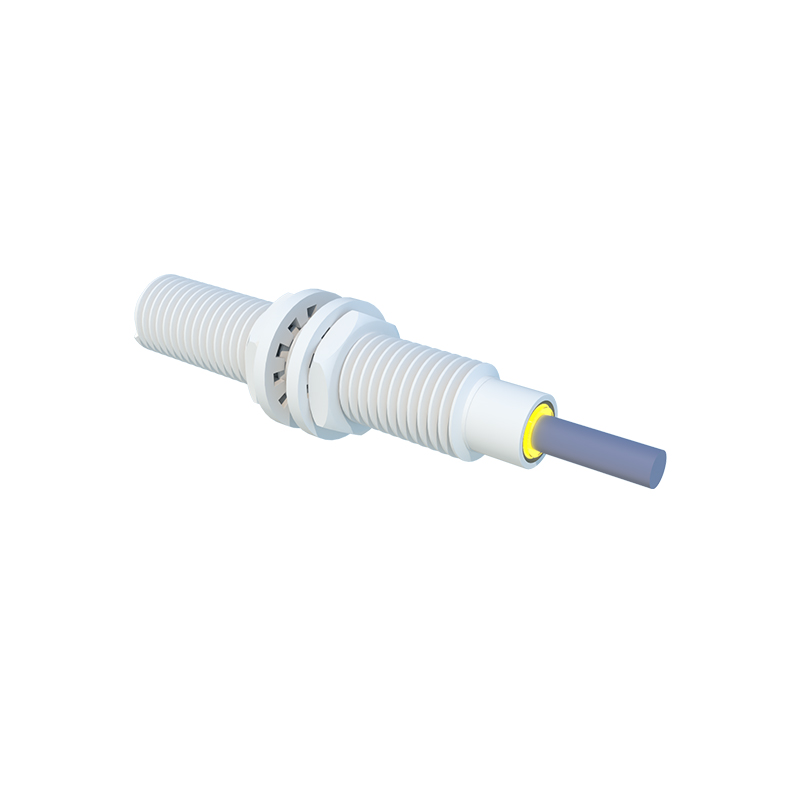
Furthermore, proximity sensors offer exceptional reliability and speed. They can detect objects at high frequencies, often in the range of several kilohertz, enabling their use in high-speed counting, sorting, and positioning tasks on fast-moving production lines. Their response is consistent and unaffected by factors like surface color, texture, or ambient light (in the case of inductive and capacitive types), ensuring stable performance in challenging industrial environments where dust, moisture, or oil might be present. This reliability is crucial for maintaining consistent product quality and process integrity.
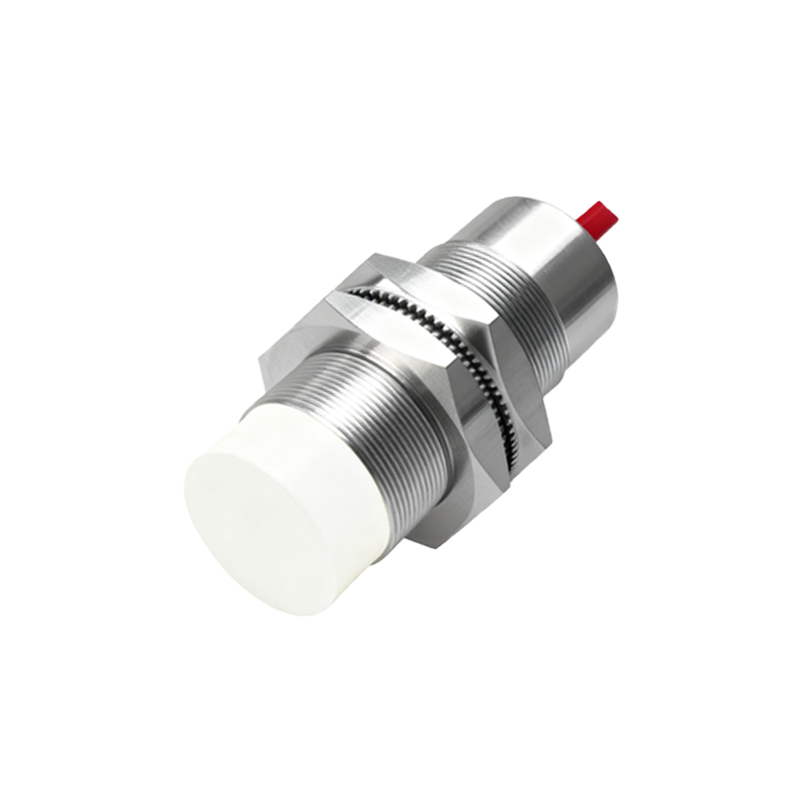
Safety is another paramount area where proximity sensors excel. By providing a non-contact method for detecting the position of machine guards, doors, or the presence of personnel in hazardous zones, they form an integral part of safety interlock systems. They help prevent accidents by ensuring machinery only operates when it is safe to do so, protecting both equipment and human operators. This proactive safety approach is a key component of modern industrial safety standards.
From an economic perspective, the long-term benefits of proximity sensors are compelling. While the initial investment might be higher than some mechanical alternatives, the total cost of ownership is often lower. The reduction in maintenance, the prevention of product damage, the increase in production throughput, and the enhancement of system uptime contribute to a rapid return on investment. Their integration into programmable logic controller (PLC) systems is straightforward, allowing for seamless data collection and process optimization, which further drives efficiency.
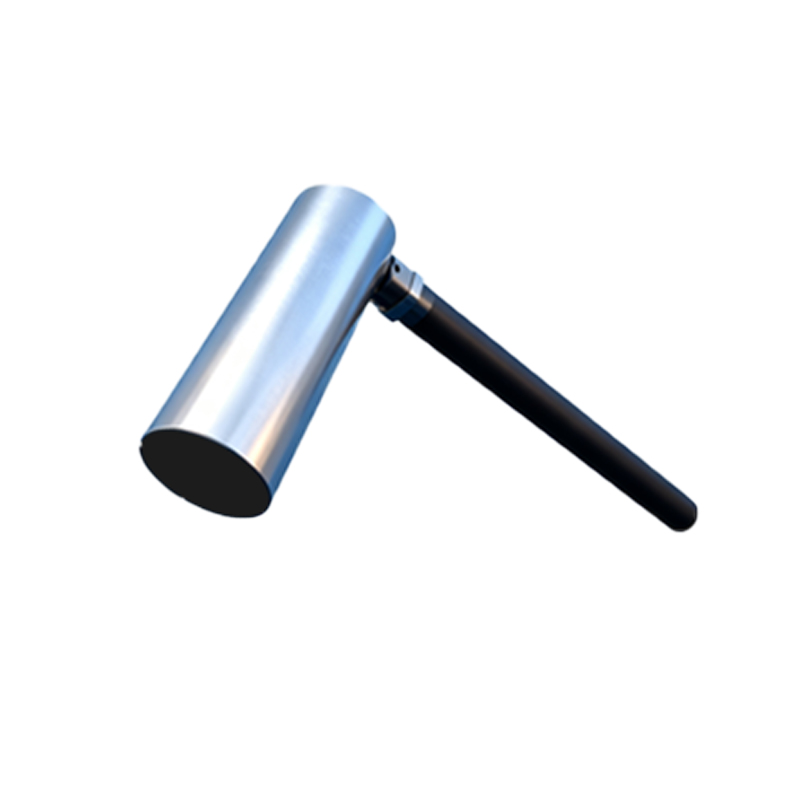
The applications of proximity sensors are virtually limitless across industries. In automotive manufacturing, they verify the presence of parts on assembly robots. In material handling, they control the filling levels in silos or detect the position of packages on conveyor belts. In the printing industry, they ensure precise paper alignment. Even in everyday consumer devices, miniature proximity sensors detect when a smartphone is held to the ear to turn off the display.
In conclusion, the value proposition of proximity sensors is clear and multifaceted. Their non-contact nature, durability, high speed, reliability, and contribution to safety make them an indispensable tool for engineers and system designers. As industries continue to push towards greater automation, connectivity, and efficiency—embracing concepts like the Industrial Internet of Things (IIoT)—the role of the humble proximity sensor will only become more central. By providing a critical link between the physical and digital worlds, these sensors enable smarter, safer, and more productive industrial operations, proving time and again why they are considered a superior choice in sensing technology.