In modern industrial environments, the accumulation of dust, debris, and contaminants on sensor surfaces poses a significant challenge to operational efficiency and data accuracy. Traditional cleaning methods, such as manual wiping, compressed air, or chemical sprays, often fall short. They can be invasive, cause downtime, risk damaging sensitive components, or simply fail to remove fine particulate matter thoroughly. This is where advanced laser sensor cleaning technology emerges as a revolutionary, non-contact solution, ensuring precision and reliability in critical measurement and control systems.
The core principle of laser cleaning for sensors involves using a focused beam of laser light to remove unwanted material from the surface. The laser energy is absorbed by the contaminant layer—whether it's dust, soot, oxide films, or grease—causing it to vaporize or be ejected through ablation. Crucially, the wavelength and pulse duration of the laser can be precisely tuned so that the energy is primarily absorbed by the contaminant, not the underlying sensor substrate or lens coating. This selective photothermal process allows for the removal of microscopic particles without any physical contact, eliminating the risk of scratches, static damage, or residue left by cloths or liquids.

The advantages of implementing a laser-based cleaning system for sensors are manifold. First and foremost is the guarantee of non-contact operation. The sensor remains untouched, preserving its calibration and structural integrity. This leads directly to the second major benefit: zero downtime. Cleaning can be performed in-situ, often while the sensor is operational or during brief planned pauses, without the need for disassembly and reassembly. This continuous operation is vital for industries like semiconductor manufacturing, automotive production, or power generation where process interruptions are costly.
Furthermore, laser cleaning offers unparalleled precision and repeatability. Automated systems can be programmed to target specific areas with exact energy levels, ensuring a consistent and thorough clean every cycle. This consistency is key for maintaining the high accuracy of optical sensors, LiDAR units, camera lenses in machine vision systems, and delicate spectroscopic instruments. Environmental and operational safety is also enhanced. The process eliminates the need for consumable cleaning materials (wipes, solvents) and generates minimal waste, as the ablated material is typically captured by an integrated extraction system. It is a dry, chemical-free process, aligning with green manufacturing initiatives.
Real-world applications are diverse and growing. In the automotive sector, laser systems keep LiDAR and camera sensors on autonomous vehicles clear of road grime, ice, and insects. In heavy industry, optical sensors monitoring furnace temperatures or gas compositions are kept free of soot and deposits. Within precision manufacturing, the lenses of alignment and inspection sensors in cleanrooms are maintained at peak clarity without human intervention. Even in harsh outdoor environments, such as wind farms or solar installations, laser cleaning protects environmental and performance sensors from weather-related fouling.
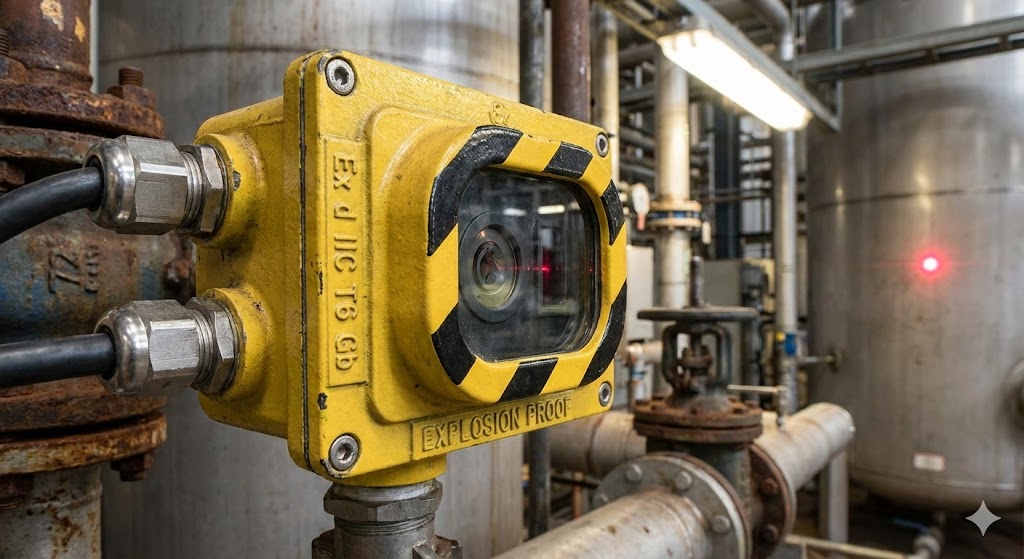
Implementing such a system requires careful consideration. Factors include the type of sensor (material of the window/lens), the nature of the contaminant, the required cleaning frequency, and integration into existing automation frameworks. Modern laser cleaning modules are becoming increasingly compact, user-friendly, and intelligent, often featuring closed-loop feedback systems that monitor surface cleanliness and adjust parameters automatically.

As Industry 4.0 and the Internet of Things (IoT) drive greater reliance on sensor data for decision-making, the integrity of that data becomes paramount. Laser sensor cleaning technology is no longer a niche luxury but a critical component of robust and reliable industrial automation. By providing a fast, precise, and non-destructive method to maintain sensor performance, it safeguards product quality, optimizes process control, and reduces long-term maintenance costs. This innovative approach ensures that the "eyes" of modern industry remain perfectly clear, enabling smarter, safer, and more efficient operations across the globe.