In the rapidly evolving landscape of automotive technology, proximity switch sensors have emerged as critical components, silently orchestrating a multitude of functions that enhance safety, convenience, and automation. These non-contact sensors detect the presence or absence of an object within a specific range without any physical touch, relying on electromagnetic fields, infrared light, or ultrasonic waves. Their integration into modern vehicles represents a significant leap from purely mechanical systems to intelligent, responsive architectures.
The core principle behind a vehicle proximity sensor is its ability to create a detection field. When an object, such as a vehicle in an adjacent lane, a pedestrian, or even a garage wall, enters this predefined field, the sensor's output state changes. This signal is instantly relayed to the vehicle's central electronic control unit (ECU), which then triggers an appropriate response. This seamless interaction is fundamental to numerous advanced driver-assistance systems (ADAS).
One of the most recognizable applications is the parking assist system. Ultrasonic proximity sensors, typically embedded in the front and rear bumpers, emit high-frequency sound waves. By measuring the time it takes for the echo to return, the ECU calculates the distance to an obstacle. This information is conveyed to the driver through audible beeps that increase in frequency as the vehicle gets closer, or through a visual display on the infotainment screen. This technology has drastically reduced low-speed parking collisions and is now a standard feature in many models.
Beyond parking, these sensors are integral to blind-spot monitoring (BSM) systems. Often using radar-based proximity sensors mounted on the rear corners of the vehicle, they continuously scan the adjacent lanes. If a vehicle is detected in the blind spot while the driver signals for a lane change, the system provides a visual alert in the side mirror and may also issue a haptic or audible warning. This proactive detection significantly mitigates the risk of side-swipe accidents on highways.
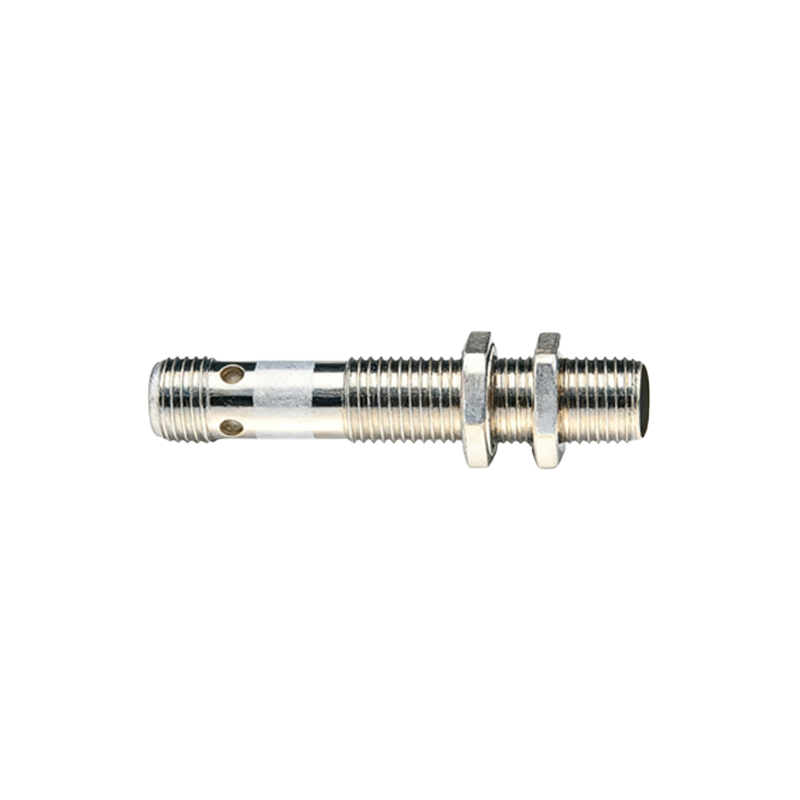
Furthermore, proximity sensors are the enabling technology for automatic hands-free liftgates or trunk opening. A sensor, often located under the rear bumper, detects a specific kicking motion of a user's foot. This convenience feature is invaluable when one's hands are full, exemplifying how sensor technology directly enhances user experience. Similarly, they are used in advanced keyless entry systems, where the vehicle detects the proximity of the key fob to automatically unlock doors or enable push-button start.
The evolution towards higher levels of automation and autonomous driving heavily depends on the robustness and accuracy of sensor fusion—combining data from proximity sensors, cameras, LiDAR, and radar. Proximity sensors provide reliable short-range data that is crucial for low-speed, complex urban maneuvers, such as navigating tight traffic circles or preventing collisions with suddenly appearing obstacles.
However, the performance of these sensors is not without challenges. Environmental factors like heavy rain, snow, mud, or extreme temperatures can affect their accuracy. Ice covering a sensor can block ultrasonic waves; dense dirt can interfere with electromagnetic fields. Automotive engineers continuously work on hardening these components, implementing self-diagnostic routines, and designing systems that can cross-verify data from multiple sensors to ensure fail-safe operation.
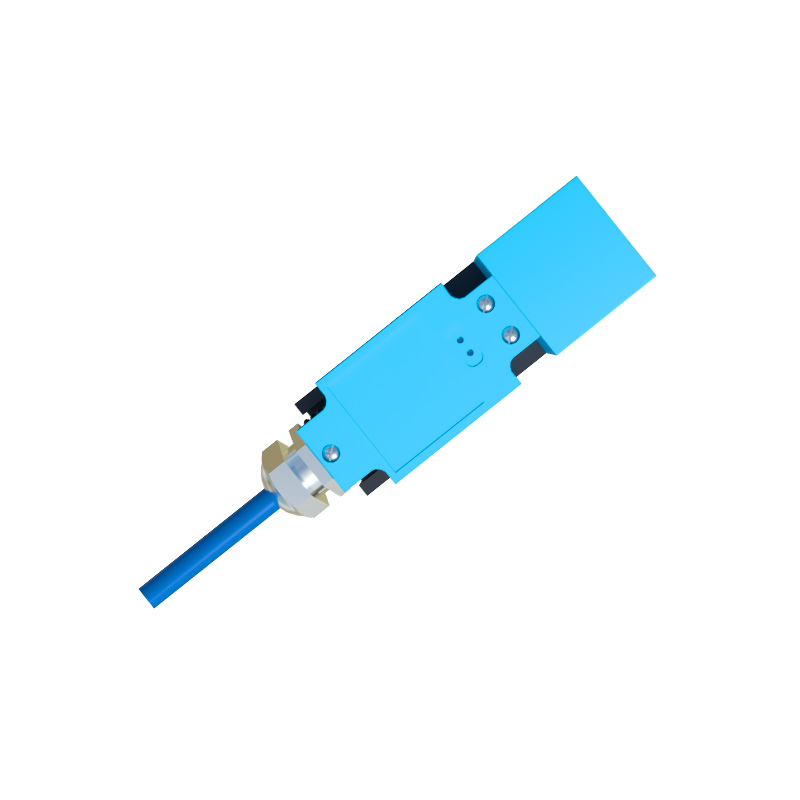
Maintenance is generally minimal, as these are solid-state electronic devices. The primary concern is keeping the sensor's surface clean and free from obstructions like bumper stickers or accumulated grime. If a fault occurs, it is usually indicated by a warning light on the dashboard and a potential deactivation of the related system, prompting a diagnostic check.
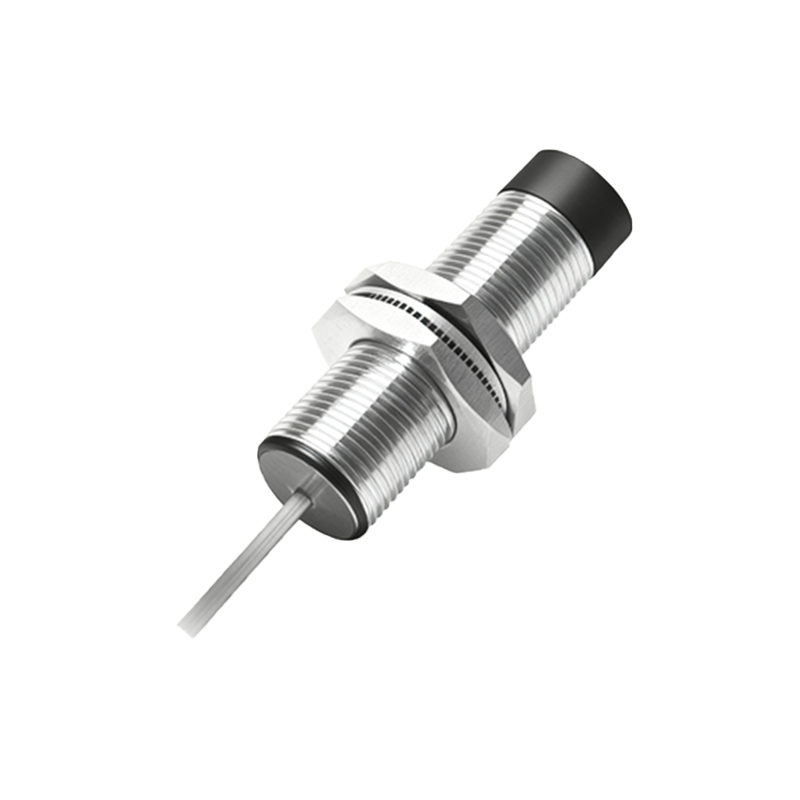
Looking ahead, the role of proximity switch sensors will only expand. As vehicles become more connected and automated, the demand for precise, instantaneous environmental perception will grow. Future developments may include more sophisticated sensor arrays with longer ranges and wider fields of view, all while reducing size and cost. They are fundamental building blocks in the journey towards creating vehicles that are not merely modes of transport, but intelligent companions that protect occupants and pedestrians alike.
In conclusion, proximity switch sensors are indispensable in the modern automotive ecosystem. From the simple beep that guides a parking maneuver to the complex data streams that feed autonomous driving algorithms, these devices form an invisible shield and a guiding hand. Their continued refinement and integration underscore the automotive industry's commitment to leveraging electronics and software to make driving safer, easier, and more efficient for everyone on the road.