In the rapidly evolving landscape of industrial automation, consumer electronics, and smart systems, proximity sensors stand as critical components enabling seamless interaction between machines and their environment. The latest generation of these devices represents a significant leap forward, moving beyond simple detection to offer intelligent, multi-functional, and highly reliable performance. This article explores the cutting-edge advancements in proximity sensor technology, their operational principles, and their transformative impact across various sectors.
At their core, proximity sensors are devices that detect the presence or absence of an object within a specific range without physical contact. Traditional models primarily relied on electromagnetic, capacitive, or ultrasonic principles. However, the latest iterations integrate sophisticated technologies to overcome previous limitations. A key trend is the miniaturization of sensor packages without compromising sensing range or accuracy. Modern sensors, some smaller than a coin, can detect objects from a few millimeters to several meters away, with resolutions down to the sub-millimeter level. This miniaturization is driven by advancements in Micro-Electro-Mechanical Systems (MEMS) and application-specific integrated circuits (ASICs), allowing for embedding in increasingly compact devices like modern smartphones, wearables, and miniature robotics.
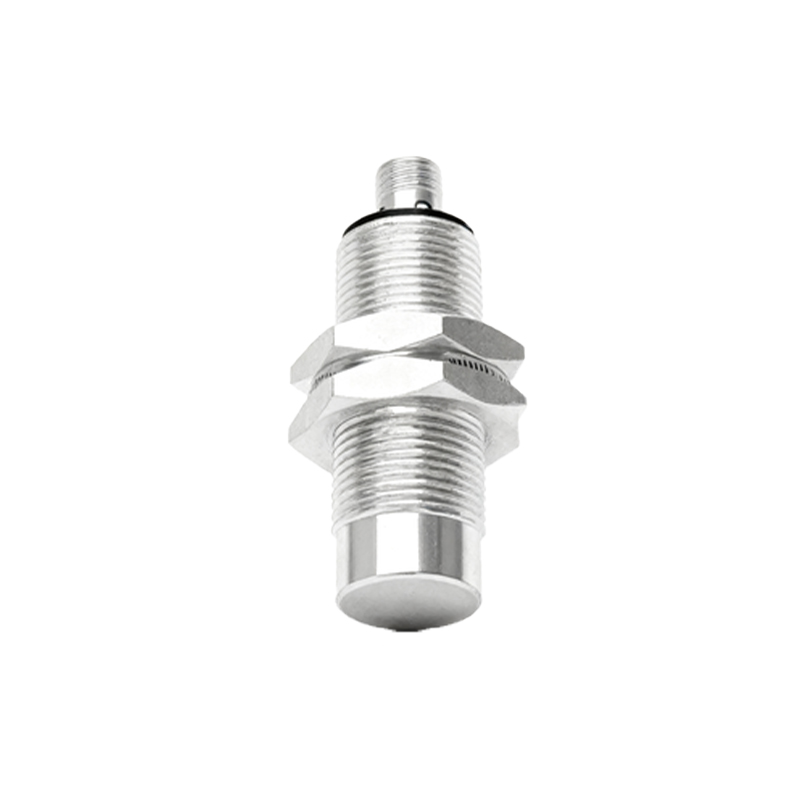
Another major innovation is the enhancement of sensing intelligence through the integration of digital interfaces and onboard processing. Unlike analog predecessors that simply output a detection signal, contemporary proximity sensors often feature I2C, SPI, or IO-Link digital outputs. These interfaces allow for two-way communication, enabling users to configure parameters like sensing distance, output logic, and response time dynamically. Some advanced models even incorporate environmental compensation algorithms that automatically adjust for factors like ambient temperature changes or the presence of dust and condensation, ensuring stable performance in harsh conditions. This "smart sensor" capability reduces system complexity and improves overall reliability.
The fusion of multiple sensing modalities into a single unit is a defining characteristic of the latest proximity sensors. It is now common to find sensors that combine proximity detection with ambient light sensing (ALS), color detection, or gesture recognition. For instance, in smartphones and tablets, a single chip can manage screen blanking during calls (proximity), adjust screen brightness based on surroundings (ALS), and enable simple touchless commands (gesture). This integration conserves space, reduces power consumption, and simplifies supply chains for device manufacturers.
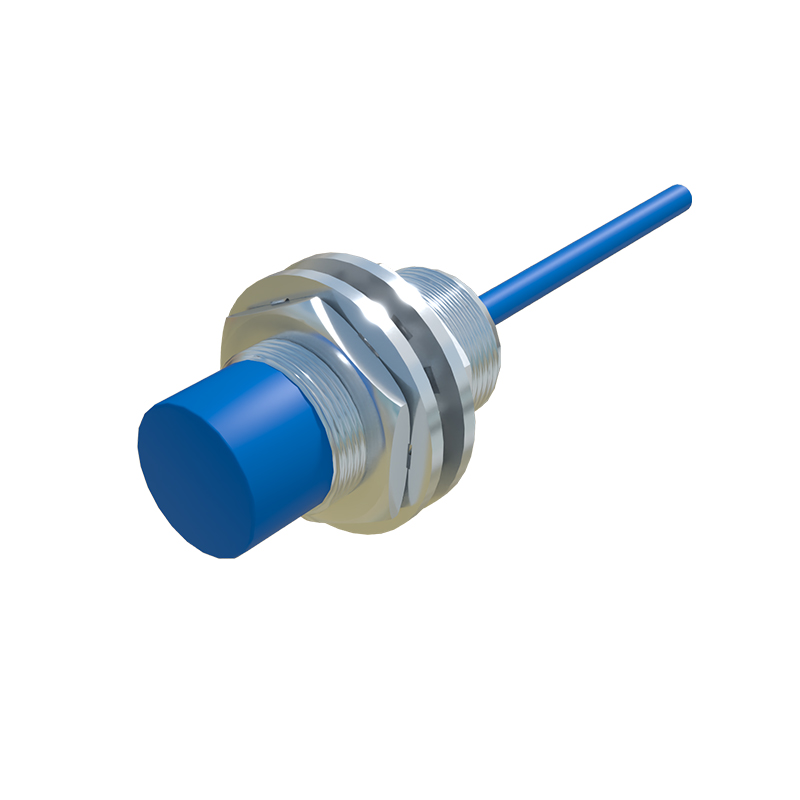
Material and design innovations have also expanded application possibilities. New housing materials with higher ingress protection (IP) ratings, such as IP67 and IP69K, make sensors resistant to water, oils, and chemicals, suitable for food processing, pharmaceutical manufacturing, and outdoor automotive applications. Furthermore, the development of sensors immune to specific environmental interferences is crucial. For example, capacitive proximity sensors now feature advanced shielding techniques that prevent false triggers from non-target materials like water or human hands, making them ideal for liquid level detection in tanks or touch-sensitive control panels.
The application spectrum for these advanced sensors is vast and growing. In industrial automation, they enable precise positioning of robotic arms, part counting on high-speed conveyor belts, and end-of-travel detection with unparalleled repeatability. The automotive industry leverages them for parking assistance systems, automatic tailgate operation, and in-cabin occupancy detection for enhanced safety features. In consumer electronics, they are indispensable for enabling always-on displays that deactivate when near the ear, and for power-saving features in IoT devices that "wake up" only when a user approaches.
Looking ahead, the convergence of proximity sensing with the Internet of Things (IoT) and Artificial Intelligence (AI) is setting the stage for the next revolution. IoT-enabled proximity sensors can transmit operational data and health status to centralized platforms for predictive maintenance, reducing downtime. When paired with AI edge processing, these sensors can move from detecting "if" an object is present to analyzing "what" the object is or "how" it is moving, enabling more complex and context-aware automation.
In conclusion, the latest proximity sensors are far more than simple switches. They are intelligent, robust, and versatile components that form the sensory foundation of a more automated and interactive world. Their continuous evolution, marked by miniaturization, digital intelligence, multi-functionality, and enhanced durability, is solving complex engineering challenges and opening new frontiers for innovation across virtually every technology-driven industry.