In today's rapidly evolving technological landscape, laser sensors have become indispensable components across a multitude of industries. From precision manufacturing and autonomous vehicles to robotics and smart infrastructure, these devices provide critical data through non-contact measurement of distance, position, and profile. For companies looking to enhance their operational capabilities, expand product lines, or enter new markets, the strategic acquisition of laser sensor technology or the companies that develop them can be a transformative move. This guide explores the key considerations, processes, and strategic benefits involved in acquiring laser sensors.
The decision to acquire laser sensor technology is often driven by several compelling strategic imperatives. Firstly, it can dramatically accelerate time-to-market. Developing advanced laser sensing capabilities in-house requires significant investment in research and development, specialized engineering talent, and lengthy testing cycles. An acquisition allows a company to bypass these hurdles, instantly integrating proven, market-ready technology into its portfolio. Secondly, it is a powerful method to acquire specialized intellectual property (IP). Patents related to specific laser types (like fiber lasers or VCSELs), detection methods (time-of-flight, triangulation, confocal), and proprietary software algorithms are valuable assets that can provide a sustained competitive edge and create barriers to entry for competitors. Furthermore, such an acquisition often brings along a talented team of engineers, scientists, and application specialists whose deep domain expertise is difficult and time-consuming to cultivate organically.
The process of acquiring laser sensors typically follows two main paths: acquiring the physical sensor products from a manufacturer or distributor for integration, or executing a corporate merger and acquisition (M&A) of a sensor company. For the former, the focus is on technical due diligence: ensuring the sensor's specifications (accuracy, resolution, speed, range) match the application requirements, verifying compatibility with existing systems, and assessing the reliability and support offered by the supplier. This path is common for end-users and system integrators.
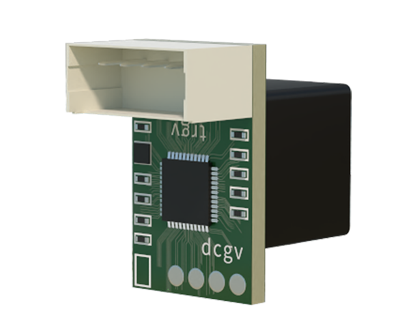
The latter path, a corporate acquisition, is far more complex and strategic. It begins with a clear definition of strategic goals. Is the aim to gain access to a new customer segment, such as the automotive LiDAR market? Or to vertically integrate by securing a key component supply for your own products? Once the goal is set, a comprehensive target identification process begins, evaluating companies based on their technology portfolio, market share, financial health, and cultural fit.
Due diligence is the most critical phase in an M&A transaction. Beyond financial audits, technical due diligence involves a deep examination of the target's IP portfolio, product roadmaps, and manufacturing processes. Commercial due diligence assesses customer contracts, market position, and sales pipelines. Legal due diligence scrutinizes regulatory compliance, existing contracts, and potential liabilities. A common pitfall is underestimating the integration challenge post-acquisition. Successfully merging different corporate cultures, integrating R&D teams, and aligning sales strategies is essential to realizing the projected synergies and value from the deal.
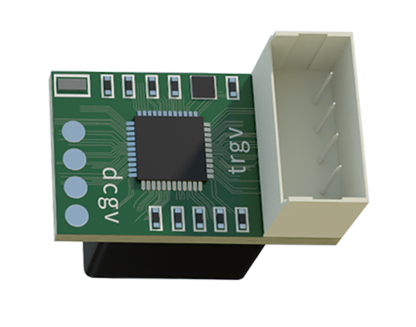
The benefits of a successful acquisition can be substantial. Companies can achieve faster innovation cycles by combining their resources with the acquired entity's specialized knowledge. They can offer more comprehensive solutions to customers by bundling sensors with their existing software or hardware platforms. Economies of scale in manufacturing and procurement can lead to significant cost reductions. Ultimately, a well-executed acquisition in the laser sensor space can solidify a company's position as a technology leader, enabling it to shape industry standards and capture greater market share in an increasingly data-driven world.
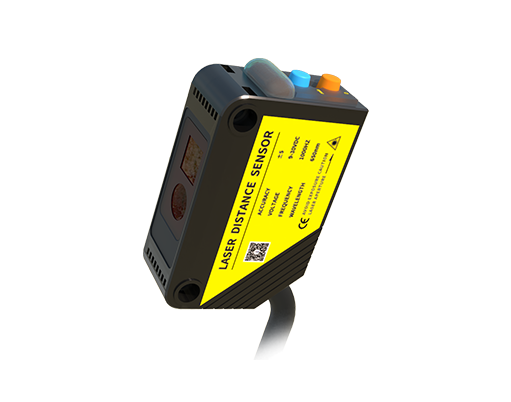
However, the landscape is not without risks. Technology in this field advances swiftly; an acquired technology might become obsolete if next-generation solutions emerge from competitors. Overpaying for a target due to market hype, especially in hot sectors like autonomous driving, is a constant danger. Integration failures can lead to the exodus of key talent, the very asset that was a primary reason for the acquisition. Therefore, a disciplined, long-term strategic view, supported by rigorous analysis and careful integration planning, is paramount.
In conclusion, acquiring laser sensors, whether as products or through corporate M&A, is a significant strategic undertaking with the potential to deliver considerable competitive advantages. It demands a clear understanding of one's strategic objectives, meticulous planning and due diligence, and a steadfast commitment to post-acquisition integration. For businesses poised at the intersection of innovation and growth, navigating this process effectively can unlock new levels of precision, efficiency, and market leadership.