In the complex and demanding environment of maritime operations, precision, reliability, and safety are non-negotiable. Among the myriad of technologies that ensure these standards are met, marine proximity sensors stand out as critical components. These devices, designed to detect the presence or absence of objects without physical contact, are integral to modern vessel navigation, cargo handling, and overall operational integrity. Unlike standard industrial sensors, marine variants are engineered to withstand the harsh conditions at sea, including constant exposure to saltwater, extreme temperatures, high humidity, and significant vibration.
The core function of a marine proximity sensor is to provide accurate, real-time data about the immediate surroundings of a ship or its internal systems. This data is crucial for collision avoidance systems, particularly in congested waterways or during poor visibility. Sensors mounted on the hull can detect other vessels, docks, buoys, or underwater obstacles, sending immediate alerts to the bridge to facilitate evasive maneuvers. Furthermore, within a ship's engine room and machinery spaces, these sensors monitor the position of moving parts, such as valves, pistons, and cranes, preventing mechanical failures and ensuring automated processes run smoothly.
Several technologies underpin marine proximity sensors, each suited to specific applications. Inductive sensors are commonly used for detecting metallic objects in machinery, relying on electromagnetic fields. Capacitive sensors can detect both metallic and non-metallic materials and are often employed in liquid level sensing within tanks. Ultrasonic sensors use sound waves to measure distance to objects and are excellent for bulk solid level monitoring or external obstacle detection. For the most demanding precision tasks, such as dynamic positioning systems, laser-based sensors offer unparalleled accuracy in measuring minute distances.
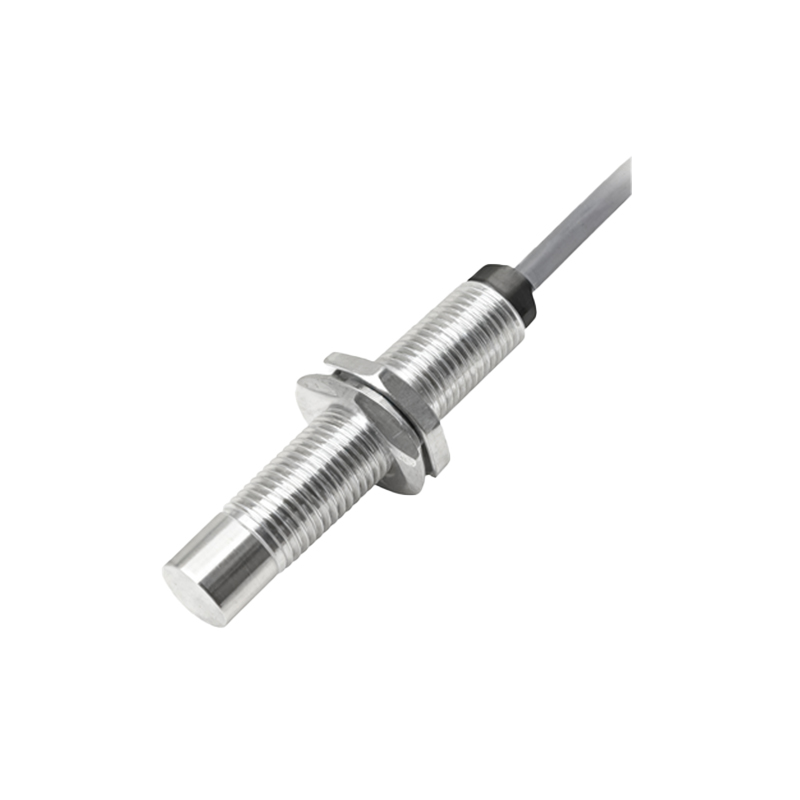
The selection of a marine proximity sensor is not a trivial matter. Key specifications include the sensing range, response time, output type (e.g., analog voltage, digital signal, or IO-Link), and most importantly, the environmental protection rating. An Ingress Protection (IP) rating of IP67 or higher is typically mandatory, indicating complete protection against dust and protection against immersion in water up to 1 meter. Additionally, certifications from maritime authorities like DNV GL, ABS, or Lloyd's Register are essential, confirming the sensor's design and materials are suitable for marine use and comply with international safety standards.
The practical benefits of deploying robust marine proximity sensors are substantial. They significantly enhance situational awareness, reducing the risk of groundings and collisions—a leading cause of maritime incidents. In cargo operations, sensors on cranes and grabs prevent overloading and optimize loading cycles, saving time and fuel. Predictive maintenance, enabled by continuous monitoring of machinery, helps avoid costly unplanned downtime and extends the lifespan of critical equipment. Ultimately, this technology contributes directly to operational efficiency, cost reduction, and, most importantly, the safety of the crew, the vessel, and the marine environment.
Looking ahead, the integration of marine proximity sensors with broader digital ecosystems is the next frontier. The data from these sensors can feed into a ship's integrated automation system or a cloud-based fleet management platform. Here, it can be analyzed alongside data from GPS, radar, and other sources to provide a comprehensive digital picture of vessel operations. This trend towards the "smart ship" or "connected vessel" promises even greater levels of automation, efficiency, and safety, with proximity sensors acting as fundamental data-gathering nodes. As maritime industries continue to embrace digitalization, the role of these rugged, reliable sensors will only become more central to safe and profitable voyages across the globe.