In the world of industrial automation, robotics, and smart systems, the ability to detect the presence or absence of an object without physical contact is fundamental. This capability is provided by electronic proximity sensors, devices that have become indispensable components in modern machinery. These sensors operate by emitting a field or beam of electromagnetic radiation and looking for changes in the field or return signal. The key advantage is non-contact detection, which eliminates mechanical wear and tear, allows for high-speed operation, and enables sensing of delicate or awkwardly positioned objects.
The working principle of an electronic proximity sensor is based on the disturbance of an electromagnetic field. When a target object enters this field, it causes a change in the oscillation amplitude. The sensor's circuit detects this change and triggers an output signal, typically a solid-state switch. This output can be used to count objects, control machinery, position parts, or provide safety interlocks. The nature of the emitted field defines the primary types of proximity sensors, each suited to different materials and applications.
Inductive proximity sensors are one of the most common types. They generate an oscillating electromagnetic field and detect only metallic targets, primarily ferrous metals like steel and iron. When a metal object enters this field, it induces eddy currents on the metal's surface, which dampens the oscillator's amplitude. The sensor detects this damping and switches its output state. These sensors are robust, resistant to dirt, oil, and water (often rated IP67 or higher), and are ideal for harsh industrial environments. Typical applications include detecting pistons in cylinders, counting metal parts on a conveyor, or confirming the position of a machine tool.
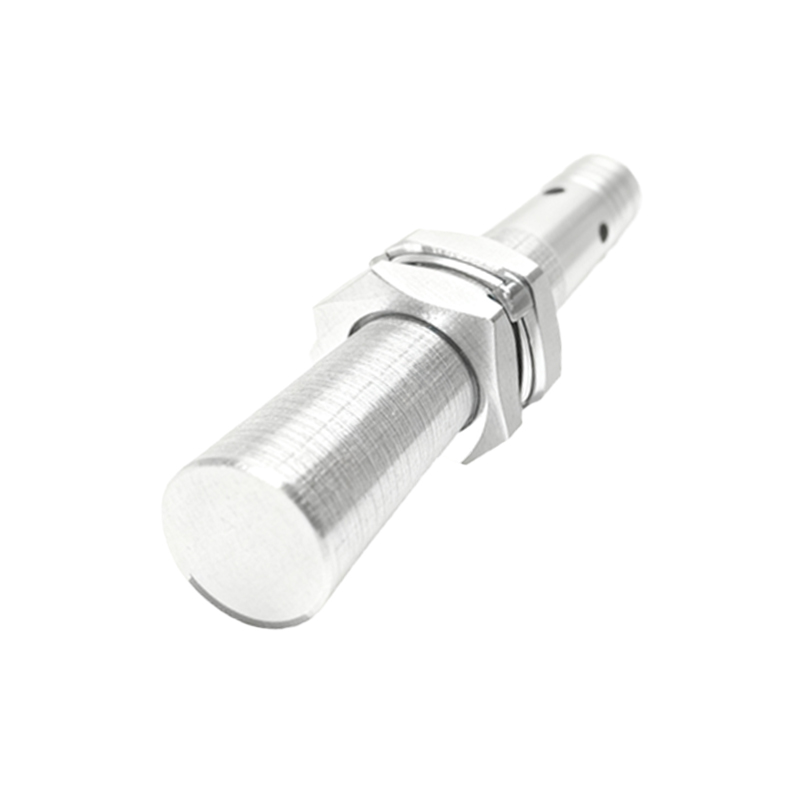
Capacitive proximity sensors, in contrast, can detect both metallic and non-metallic materials, including liquids, plastics, wood, and granular substances. They function by generating an electrostatic field. Any object with a dielectric constant different from air will disturb this field when it approaches the active face, changing the capacitance of the circuit. This change is measured and used to trigger the output. This makes capacitive sensors versatile for tasks like detecting fill levels in tanks (liquid or powder), sensing wood or glass panels, or even detecting a human hand through a thin non-metallic barrier.
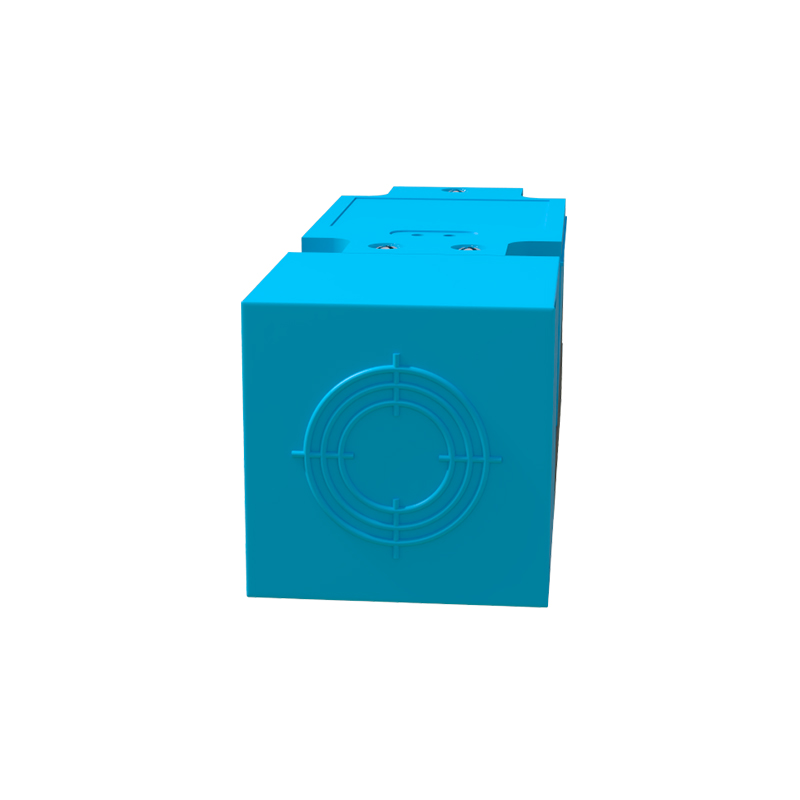
Ultrasonic proximity sensors operate on a different principle altogether. They emit high-frequency sound waves (ultrasound) and evaluate the echo reflected back from a target. By measuring the time between the emitted pulse and the received echo, the sensor can determine the distance to the object. This technology allows for precise distance measurement and can detect objects of virtually any material, as long as they reflect sound adequately. They are used in applications ranging from liquid level sensing and loop control to collision avoidance on automated guided vehicles (AGVs) and pallet stacking.
Photoelectric sensors, while sometimes categorized separately, are a crucial form of proximity sensing. They use light, typically infrared LED or laser light, to detect objects. The presence of an object is detected by either interrupting a light beam (through-beam), reflecting light back to the receiver (retro-reflective), or detecting light diffused from the object's surface (diffuse reflective). They offer very long sensing ranges and can detect tiny objects. Common uses include detecting transparent bottles on a production line, checking for labels, and object counting at high speeds.
Selecting the right electronic proximity sensor requires careful consideration of several factors. First, identify the target material: metal, plastic, liquid, etc. This will narrow the choice to inductive, capacitive, or ultrasonic types. Next, consider the required sensing distance, which must be within the sensor's specified nominal range, typically with a safety margin. The operating environment is critical; factors like temperature extremes, presence of cutting fluids, dust, or washdown conditions dictate the required housing material and ingress protection (IP) rating. Finally, the electrical output must match the control system's input, with common options being NPN (sinking), PNP (sourcing), or analog (4-20mA or 0-10V) outputs for distance measurement.
Installation and maintenance are straightforward but important. Sensors should be mounted securely to avoid vibration, and care must be taken to ensure the target approaches the correct sensing face. For inductive sensors, installing them too close to other metal surfaces or sensors can cause interference, a phenomenon known as "mutual interference," which requires maintaining a minimum spacing. Regular cleaning of the sensing face from debris and verification of the output signal are part of a simple preventive maintenance routine.
The evolution of electronic proximity sensors continues with trends towards miniaturization, increased intelligence, and enhanced connectivity. Modern sensors now feature IO-Link communication, which allows for parameter setting, remote diagnostics, and process data exchange, integrating seamlessly into Industry 4.0 frameworks. They are the silent, reliable sentinels of automation, providing the essential data that drives efficiency, safety, and precision in