In the realm of industrial automation, robotics, and advanced research, the demand for unparalleled precision is non-negotiable. Enter the 0.1 laser sensor, a technological marvel that has redefined the boundaries of accuracy in non-contact measurement and detection. This guide delves into the core principles, diverse applications, and critical selection criteria for these high-performance devices.
At its heart, a 0.1 laser sensor operates on the principle of optical triangulation or time-of-flight measurement, emitting a concentrated beam of laser light towards a target. The key differentiator, as the name implies, is its exceptional resolution and repeatability, often achieving accuracy levels at or below 0.1 millimeters. This minuscule tolerance is achieved through sophisticated optics, high-speed signal processors, and advanced algorithms that filter environmental noise and compensate for surface variations. Unlike conventional sensors, a 0.1-grade sensor can detect shifts and defects invisible to the human eye, making it an indispensable tool for quality control.
The applications for such precise instrumentation are vast and transformative. In manufacturing, these sensors are deployed for rigorous dimensional inspection, ensuring components like semiconductor wafers, precision gears, and medical device parts meet exacting specifications. They perform real-time thickness monitoring of films, sheets, and coatings during production processes. In automated assembly lines, they guide robots for precise part placement and gap measurement. Beyond the factory floor, they are crucial in fields like aerospace for profiling complex surfaces, in automotive for aligning advanced driver-assistance systems (ADAS), and in scientific research for delicate experimental setups.
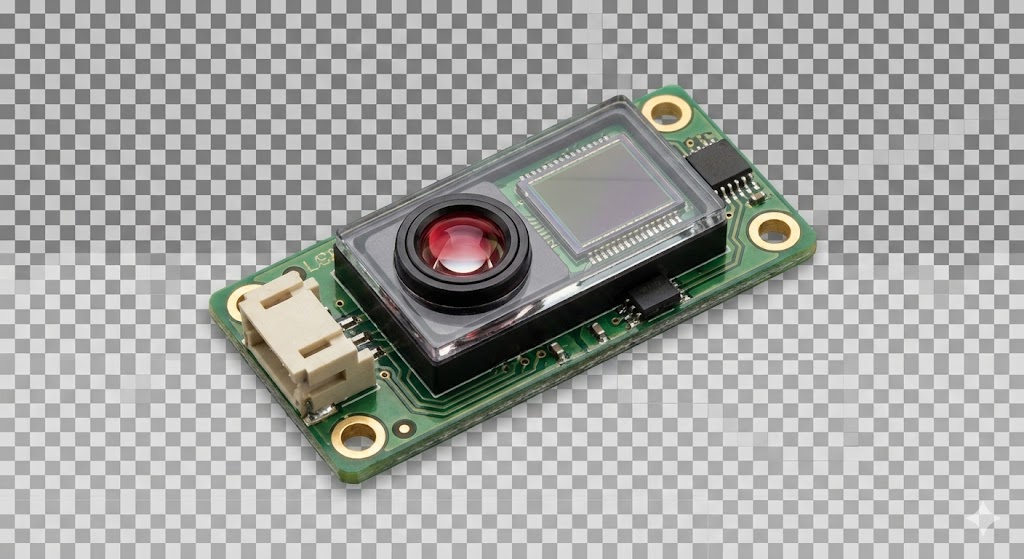
Selecting the right 0.1 laser sensor requires careful consideration of several parameters beyond just the accuracy rating. The measuring range, or the distance over which the sensor maintains its stated precision, is fundamental. The type of target surface—be it shiny, dark, transparent, or textured—greatly influences performance, with many high-end models featuring automatic surface compensation. Response speed, measured in kHz, determines how quickly the sensor can capture data points on a moving target. Environmental robustness is another critical factor; industrial-grade sensors boast high IP ratings for resistance to dust, water, and coolant, as well as immunity to ambient light and electrical interference.
Integration into existing systems is typically streamlined. Modern 0.1 laser sensors offer various output options, including analog voltage/current, digital interfaces like IO-Link, and high-speed Ethernet protocols. IO-Link, in particular, enables smart sensor functionality, allowing for remote configuration, real-time diagnostics, and parameter backup, which minimizes downtime. Proper installation is paramount: securing the sensor against vibration, ensuring a stable power supply, and calibrating it for the specific target material are essential steps to achieve the documented 0.1-millimeter performance.
The future trajectory of this technology points toward even greater integration and intelligence. We are seeing the convergence of high-precision laser measurement with artificial intelligence and machine vision systems. This synergy allows not only for capturing ultra-precise dimensional data but also for contextual interpretation—identifying complex defects, predicting tool wear, and enabling adaptive process control in real-time. Furthermore, miniaturization continues, packing this high accuracy into smaller form factors for use in confined spaces.
In conclusion, the 0.1 laser sensor is far more than just a measuring device; it is a cornerstone of modern precision engineering. By providing reliable, micron-level data in harsh, dynamic environments, it empowers industries to enhance quality, boost efficiency, and drive innovation. For engineers and decision-makers, understanding its capabilities and implementation nuances is key to leveraging its full potential and maintaining a competitive edge in an increasingly exacting technological landscape.