In today's highly automated industrial and consumer electronics landscape, the reliable supply of proximity sensors is a critical component for countless applications. From smartphones that dim screens when held to the ear, to complex automotive safety systems, manufacturing assembly lines, and smart home devices, these non-contact detection devices are ubiquitous. The global market for proximity sensors is experiencing sustained growth, driven by Industry 4.0, the Internet of Things (IoT), and increasing automation across sectors. This growth, however, brings both opportunities and challenges for procurement specialists, design engineers, and supply chain managers seeking stable and high-quality proximity sensor supply.
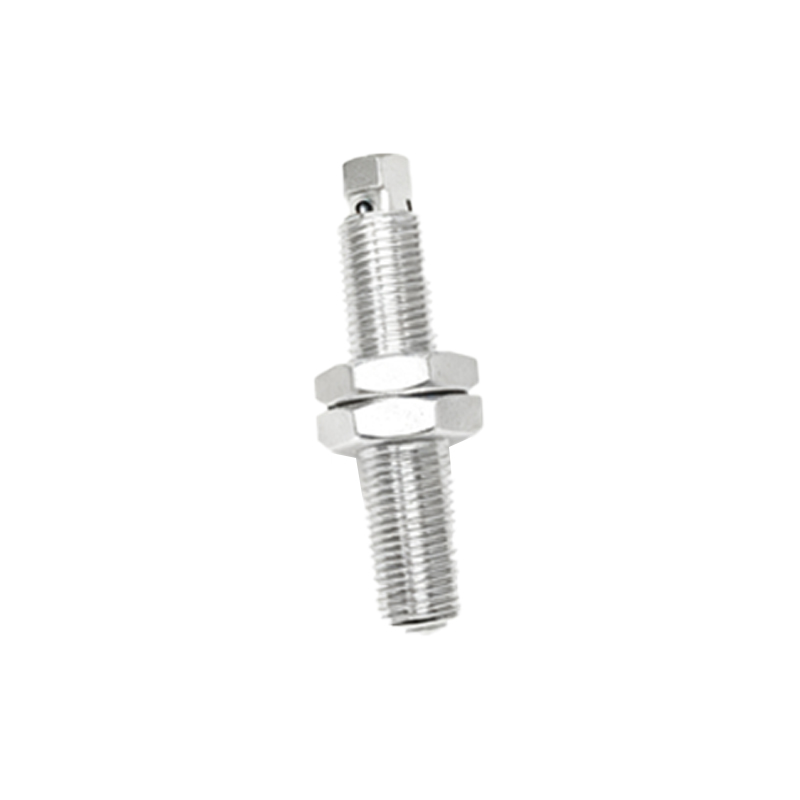
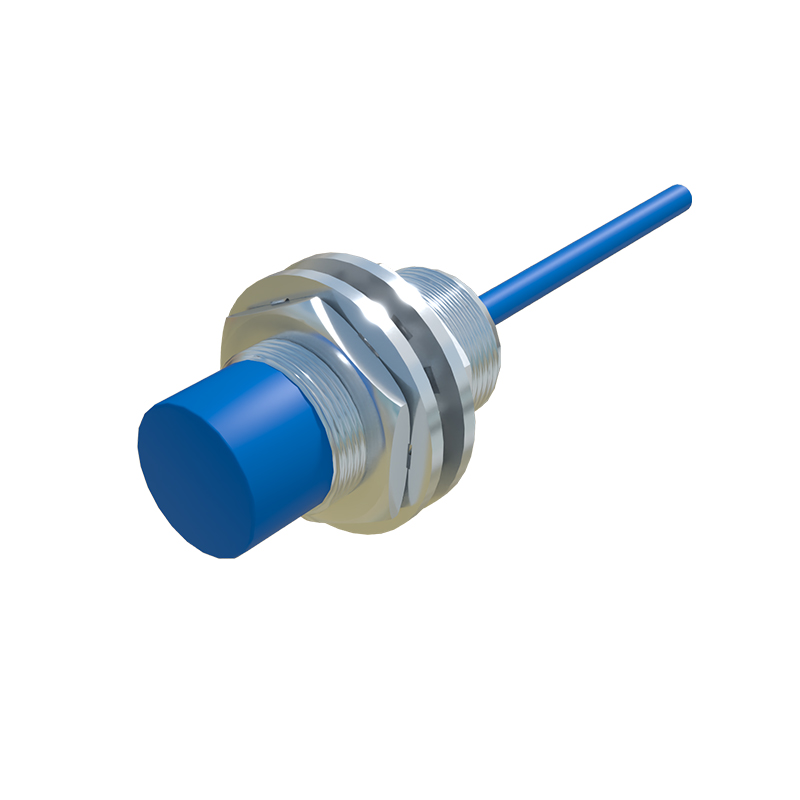
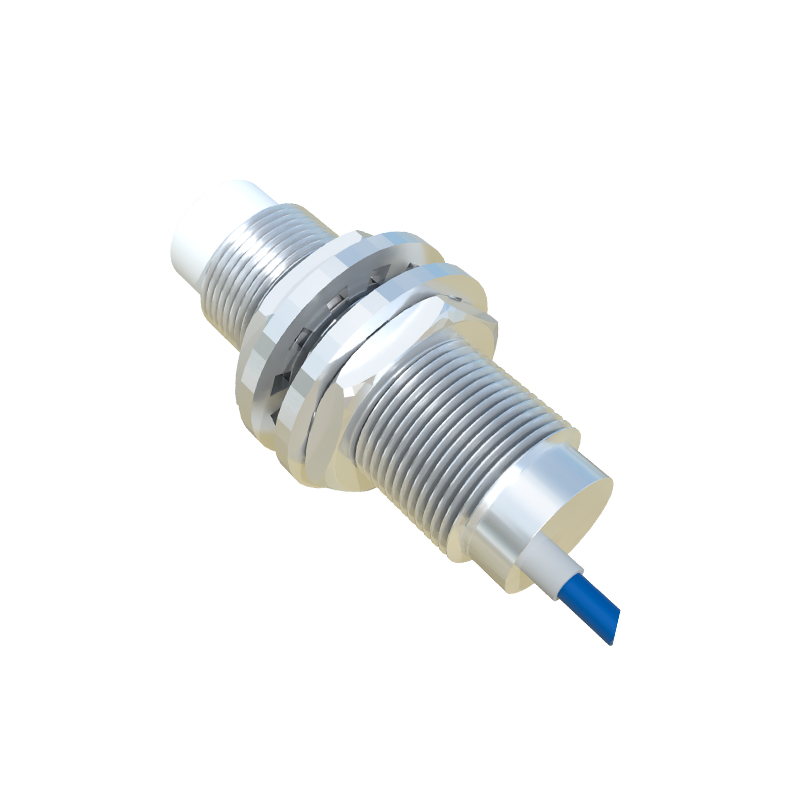
Understanding the core technology is the first step in effective sourcing. Proximity sensors primarily operate on inductive, capacitive, photoelectric, and ultrasonic principles. Inductive sensors detect metallic objects and are staples in harsh industrial environments. Capacitive sensors can detect both metallic and non-metallic materials like liquids or plastics, making them versatile for packaging and level detection. Photoelectric sensors use light beams, offering long detection ranges. The choice of technology directly impacts supplier selection, as few manufacturers excel equally across all types. A clear definition of the application's requirements—target material, required sensing distance, environmental conditions (temperature, dust, moisture), output type (NPN/PNP, analog, IO-Link), and housing material—is essential before engaging with suppliers.
The current supply chain for proximity sensors is a complex global network. Leading manufacturers are concentrated in regions with strong electronics and automation heritages, including Europe, Japan, the United States, and increasingly, China and other parts of Asia. European and Japanese suppliers are often associated with high precision, robustness, and advanced features, catering to demanding automotive and industrial automation markets. Suppliers from other regions may compete strongly on price and offer rapidly improving quality, suitable for consumer electronics or cost-sensitive industrial projects. This geographical distribution means that sourcing strategies must account for logistics, lead times, import regulations, and potential geopolitical factors that can disrupt supply.
Several key trends are shaping the proximity sensor supply market. The integration of digital communication protocols, especially IO-Link, is becoming a standard demand. IO-Link transforms a simple sensor into a smart device capable of transmitting parameter data, diagnostic information, and enabling remote configuration, which is vital for predictive maintenance. This trend pushes suppliers to continuously innovate their product lines. Secondly, the demand for miniaturization continues, particularly for consumer electronics and compact machinery, requiring suppliers to master advanced micro-fabrication techniques. Furthermore, there is a growing emphasis on enhanced durability. Sensors with higher IP (Ingress Protection) ratings, resistant to welding spatter, chemicals, and extreme temperatures, are in high demand for challenging environments like food processing, metalworking, and outdoor applications.
When developing a sourcing strategy, companies must look beyond unit price. Total Cost of Ownership (TCO) is a more accurate metric. This includes initial purchase cost, installation expenses, maintenance downtime, calibration needs, and expected lifecycle. Establishing relationships with authorized distributors or direct manufacturer representatives is crucial for ensuring genuine products, access to technical support, and reliable warranty services. For high-volume or long-term projects, engaging in direct partnerships with manufacturers can lead to design-in collaboration, customized solutions, and more favorable supply agreements. It is also prudent to qualify and audit potential suppliers, assessing their manufacturing capabilities, quality control processes (e.g., ISO 9001 certification), and financial stability.
Diversification has become a critical lesson from recent global supply chain disruptions. Relying on a single supplier or region poses significant risk. A robust strategy involves identifying and qualifying alternative suppliers for critical sensor components. This may involve a dual-sourcing approach or maintaining a vetted list of secondary suppliers. Building strategic inventory buffers for key sensor models, based on careful demand forecasting, can mitigate the impact of sudden lead time extensions. Additionally, leveraging digital procurement platforms and market intelligence tools can provide greater visibility into supplier performance, pricing trends, and potential market shortages, enabling more proactive supply chain management.
In conclusion, securing a reliable proximity sensor supply is a multifaceted endeavor that blends technical understanding with strategic procurement. Success depends on precisely defining application needs, selecting the appropriate sensor technology, and choosing suppliers based on a comprehensive evaluation of quality, innovation, support, and supply chain resilience. As sensors grow smarter and more integral to connected systems, the partnership between buyer and supplier will evolve from a simple transactional relationship to a collaborative effort focused on innovation, efficiency, and long-term reliability. Navigating this landscape with a informed and strategic approach is key to maintaining competitive advantage in an increasingly automated world.