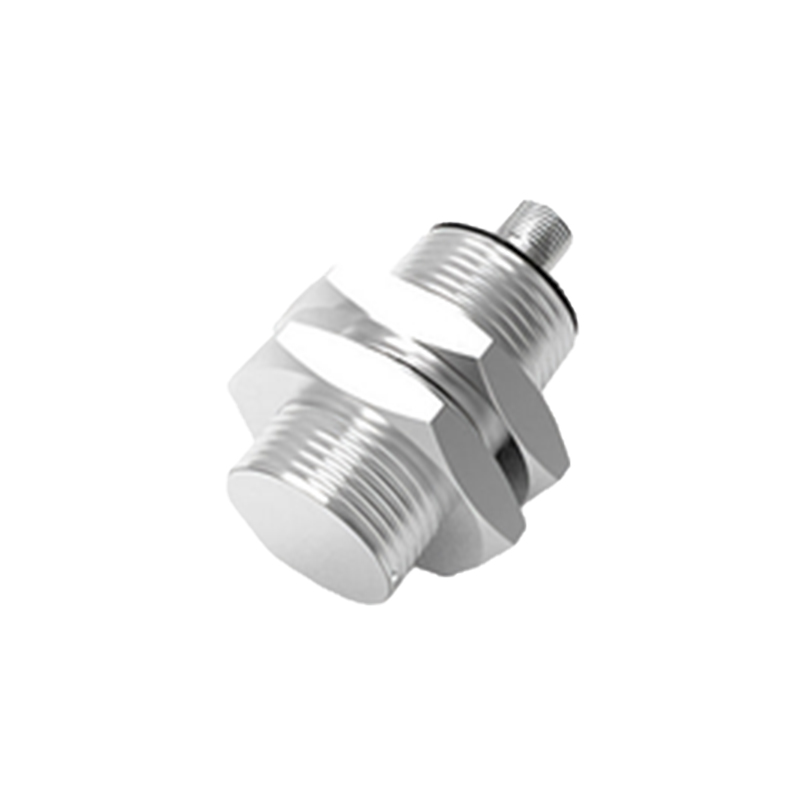
Proximity sensors are ubiquitous in modern technology, silently enabling features from smartphone screen dimming to industrial safety gates. However, a persistent challenge that engineers, integrators, and end-users face is the occurrence of false alarms or unwanted triggers. These events, where a sensor activates without a genuine target present, can range from a minor nuisance to a critical system failure, leading to downtime, safety concerns, and user frustration.
At its core, a false alarm represents a discrepancy between the sensor's perceived environment and reality. The root causes are multifaceted and often stem from the fundamental operating principles of the sensor type. Common technologies include capacitive, inductive, ultrasonic, and infrared (IR) sensors, each with unique vulnerabilities.
Environmental Interference: This is a primary culprit. For capacitive sensors, which detect changes in an electrostatic field, fluctuations in humidity, temperature, or the presence of non-target conductive materials (like metal debris or water condensation) can mimic a human touch or approach. Inductive sensors, designed for metals, can be triggered by other metallic objects in their vicinity or strong electromagnetic interference from motors or power lines. Ultrasonic sensors use sound waves; air turbulence, high-pitched noises, or even certain fan frequencies can scatter or mimic the return signal. Passive Infrared (PIR) sensors, common in occupancy detection, are sensitive to rapid changes in thermal radiation. Sudden sunlight exposure through a window, heating vents, or even small pets can trigger an unwanted response.
Sensor Limitations and Placement: Improper installation often leads to chronic false triggering. Placing a sensor too close to moving machinery (causing vibration), reflective surfaces (causing optical or ultrasonic bounce), or air conditioning units (causing thermal or airflow disruption) invites problems. Furthermore, every sensor has a defined range and field of view. Placing it where its detection zone grazes a regular but unintended movement, like a swinging door or a conveyor belt edge, will cause repeated false positives. Dirt, dust, or grease accumulating on the sensor's lens or emitter can also scatter signals and degrade performance.
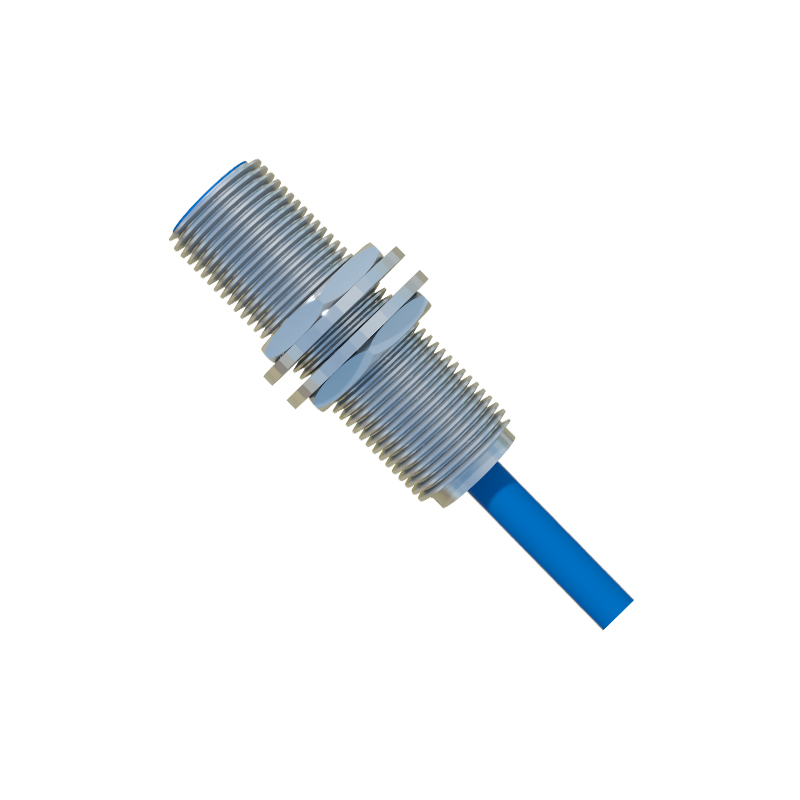
Electrical and Configuration Issues: On the hardware side, unstable power supplies with voltage spikes or electrical noise on signal lines can be interpreted as a detection event. Poor grounding or shielding in electrically noisy environments is a frequent issue for sensitive electronic sensors. From a software perspective, improper configuration of sensitivity thresholds, delay timers, or detection algorithms can exacerbate problems. A sensitivity set too high makes the sensor overly eager; set too low, it might miss genuine events.
Strategies for Minimization: Mitigating false alarms requires a systematic approach, starting at the design and selection phase. Choosing the right sensor technology for the application environment is paramount. For instance, in a dusty warehouse, an ultrasonic sensor might be preferable to an optical one. For detecting a human hand, a capacitive sensor might be fine-tuned to ignore smaller, non-human objects.
Installation best practices are critical. Careful site surveys to identify potential sources of interference are essential. Providing adequate mounting stability, ensuring a clear and intended field of view, and following manufacturer guidelines for minimum and maximum sensing distances can prevent many issues. Using sensor housings or baffles can help shield from environmental factors like stray light or airflow.
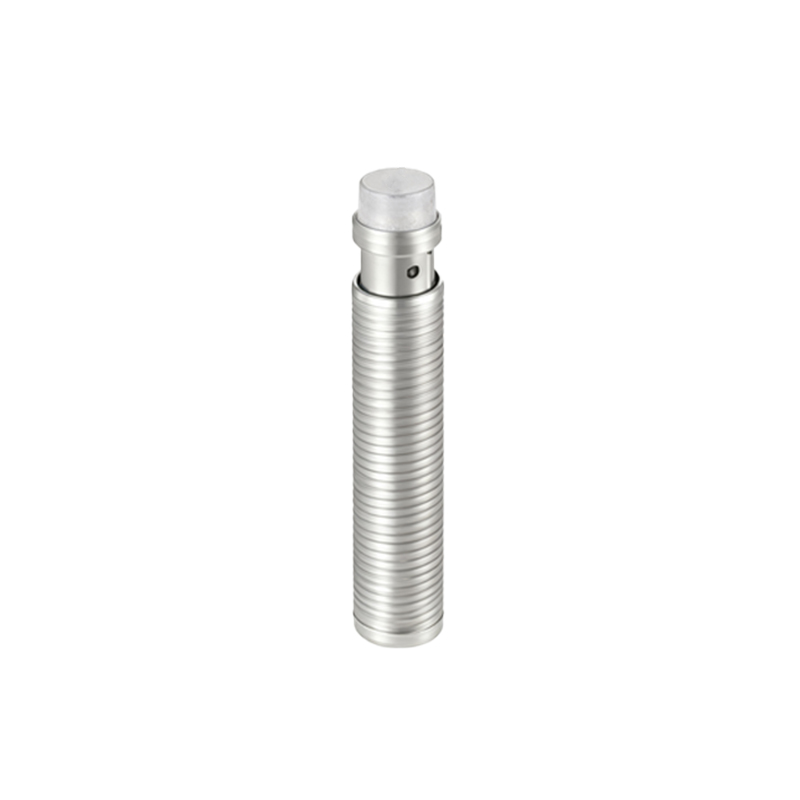
Signal conditioning and intelligent processing offer powerful software solutions. Implementing simple time delays (a "debounce" period) can ignore transient triggers. More advanced systems use multi-criteria verification. For example, a security system might require both PIR motion and ultrasonic disruption to occur simultaneously before declaring an occupancy event, significantly reducing false alarms from a single source. Regular maintenance schedules for cleaning and calibration are also vital for long-term reliability.
Ultimately, completely eliminating false alarms may be an unrealistic goal, but reducing them to an insignificant level is achievable. It requires an understanding of the sensor's physics, a thorough assessment of the operating environment, and the intelligent application of both hardware and software filters. By addressing the issue holistically—from sensor choice to installation to signal processing—engineers can build systems that are not only sensitive but also robust and trustworthy, ensuring that proximity sensors perform their intended function reliably and without disruption.