In the realm of industrial automation and electronic design, proximity sensors play a pivotal role in enabling non-contact detection of objects. Among the various configurations and connector types available, proximity sensors featuring TNC connectors represent a specific and reliable subset. This article delves into the characteristics, typical applications, and key considerations for selecting TNC model proximity sensors.
A TNC connector is a threaded version of the common BNC connector, offering a more secure and stable connection, particularly in environments subject to vibration or movement. The "TNC" stands for Threaded Neill–Concelman, named after its inventors. When integrated into a proximity sensor, this connector type ensures robust electrical connectivity for the sensor's signal output, which is crucial for maintaining signal integrity in demanding industrial settings. Proximity sensors themselves are devices that detect the presence or absence of an object within a specified range without any physical contact. They operate based on various principles, with inductive, capacitive, and photoelectric being the most common for TNC-equipped models.
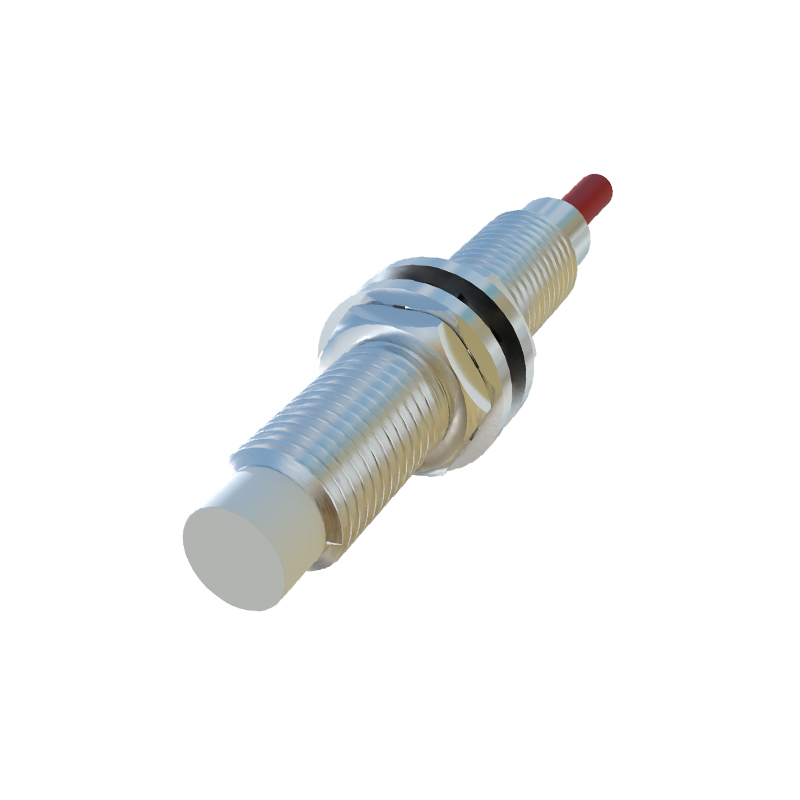
Inductive proximity sensors with TNC connectors are widely used for detecting metallic objects. They generate an electromagnetic field, and when a metal target enters this field, it causes a change in the oscillation amplitude, triggering the sensor's switch. These models are prized for their durability, resistance to environmental factors like dust and moisture (often featuring high IP ratings), and their precise, repeatable detection capabilities. They are commonly found in machine automation, such as in CNC machines for tool positioning, on assembly lines for part counting, and in robotic systems for end-effector positioning.
Capacitive proximity sensors utilizing TNC connections can detect both metallic and non-metallic materials, including liquids, powders, and plastics. They function by sensing changes in capacitance caused by the presence of a target material. This makes them versatile for applications like liquid level detection in tanks, monitoring material presence in hoppers, or detecting non-metallic objects on conveyor belts. The secure TNC connection helps prevent false triggers from signal interference, which is vital for process consistency.
Photoelectric sensors with TNC connectors use light beams to detect objects. They offer the longest sensing ranges among non-contact sensors and can detect virtually any material. The TNC connector provides a stable link for the electrical output, ensuring reliable communication with programmable logic controllers (PLCs) or other control systems. These sensors are essential in packaging, material handling, and security systems.
Selecting the right TNC model proximity sensor requires careful evaluation of several parameters. First, identify the sensing object's material to choose between inductive, capacitive, or photoelectric technology. Next, consider the required sensing distance or range, which varies significantly between technologies and specific models. The operating environment is critical; factors such as ambient temperature, potential exposure to chemicals, washdown conditions, or intense vibration will dictate the necessary housing material (e.g., stainless steel) and ingress protection (IP) rating. The electrical characteristics, including operating voltage (commonly 10-30V DC or 90-250V AC) and output type (PNP/NPN sinking/sourcing, or analog), must be compatible with the control system. Finally, the physical size and mounting style (threaded barrel, rectangular) must fit the mechanical design of the application.
The advantages of opting for a proximity sensor with a TNC connector are clear in applications where connection reliability is paramount. The threaded coupling mechanism prevents accidental disconnection due to cable strain or vibration, a common issue in manufacturing plants, transportation systems, and heavy machinery. This leads to reduced downtime and maintenance costs. Furthermore, TNC connectors provide good shielding against electromagnetic interference (EMI), which is beneficial in environments with numerous motors, drives, and wireless equipment.
In conclusion, TNC model proximity sensors offer a robust solution for reliable object detection in challenging industrial environments. Their defining feature—the threaded TNC connector—adds a layer of mechanical and electrical reliability that standard connectors may lack. By understanding the different sensing technologies available with this connection type and meticulously matching sensor specifications to the application's requirements—target material, sensing distance, environmental conditions, and electrical interface—engineers and maintenance professionals can ensure optimal system performance, enhanced safety, and improved operational efficiency. As automation continues to advance, the demand for such dependable and precise sensing components, including those with secure connections like the TNC, will undoubtedly remain strong.