In the world of precision engineering and advanced manufacturing, the integration of laser sensor screws represents a significant leap forward. These specialized fasteners are not merely ordinary screws; they incorporate laser-based sensing technology to enable real-time monitoring, adjustment, and control in various applications. The core principle involves embedding micro-laser sensors within the screw structure, which can detect parameters such as torque, tension, vibration, and even environmental conditions like temperature or pressure. This data is transmitted wirelessly or through integrated circuits to control systems, allowing for automated responses and ensuring optimal performance.
The development of laser sensor screws stems from the growing demand for smart manufacturing and Industry 4.0 initiatives. Traditional fastening methods often rely on manual checks or periodic maintenance, which can lead to human error, inefficiency, or unexpected failures. In contrast, laser sensor screws provide continuous, accurate feedback, making them ideal for critical sectors like aerospace, automotive, medical devices, and robotics. For instance, in aircraft assembly, these screws can monitor stress levels on wings or engines, alerting technicians to potential issues before they escalate. Similarly, in automotive production, they ensure precise torque during engine or chassis assembly, enhancing safety and durability.
The technology behind laser sensor screws involves sophisticated miniaturization. Engineers have successfully integrated laser diodes and photodetectors into compact screw designs without compromising strength or functionality. These sensors operate by emitting laser beams that interact with the material or surrounding environment. Changes in reflection or absorption patterns are analyzed to gauge mechanical forces. Advanced models even use fiber-optic strands within the screw threads, offering high sensitivity and resistance to electromagnetic interference. This makes them suitable for harsh conditions, such as in industrial machinery or underwater installations.
One of the key advantages of laser sensor screws is their ability to facilitate predictive maintenance. By continuously collecting data, these screws can predict wear and tear, allowing companies to schedule repairs proactively rather than reactively. This reduces downtime, lowers maintenance costs, and extends the lifespan of equipment. In smart factories, they contribute to the Internet of Things (IoT) ecosystem, where every component communicates seamlessly. For example, a production line using laser sensor screws can automatically adjust tightening forces based on real-time feedback, ensuring consistent quality across batches.
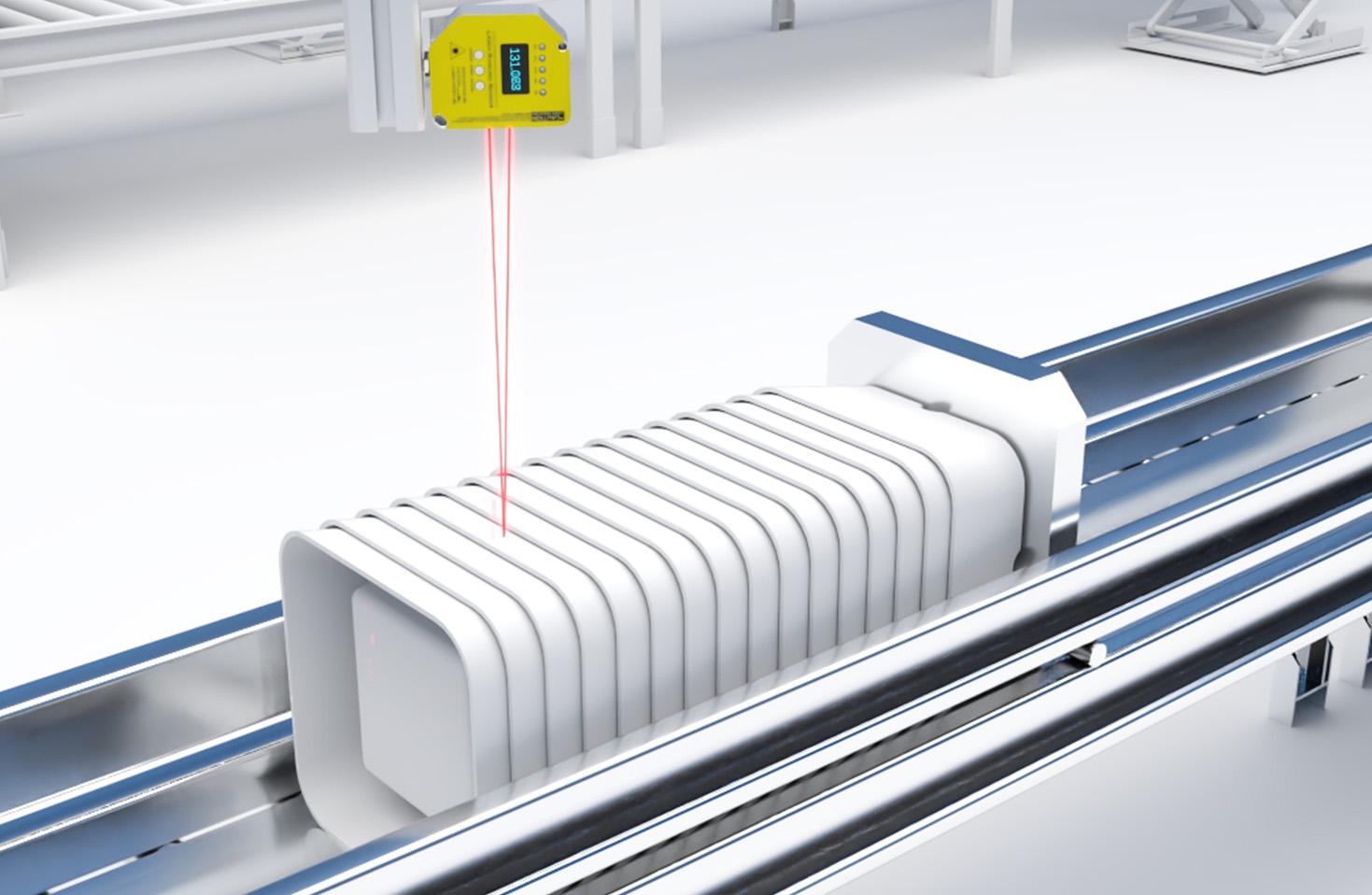
Despite their benefits, challenges remain in the widespread adoption of laser sensor screws. Cost is a primary concern, as the integration of laser technology increases production expenses compared to standard screws. However, as manufacturing techniques improve and economies of scale come into play, prices are expected to decrease. Additionally, there are technical hurdles related to power supply and data transmission. Many current designs rely on small batteries or energy-harvesting methods, such as piezoelectric generation from vibrations, to sustain sensor operation. Researchers are also exploring ways to enhance data security, especially in connected industrial networks where cyber threats could pose risks.
Looking ahead, the future of laser sensor screws appears promising with ongoing innovations. Developments in nanomaterials and quantum sensing may lead to even smaller, more efficient sensors. Collaboration between hardware manufacturers and software developers is crucial to create user-friendly interfaces for data analysis. Moreover, standardization efforts are underway to ensure compatibility across different industries and applications. As automation and smart technologies continue to evolve, laser sensor screws will likely become a staple in high-precision fields, driving efficiency and reliability.
In conclusion, laser sensor screws embody the convergence of mechanical engineering and digital innovation. They offer a practical solution for real-time monitoring and control, addressing the needs of modern technology-driven sectors. While challenges like cost and technical limitations persist, their potential to revolutionize fastening systems is undeniable. As research progresses and adoption grows, these intelligent fasteners will play a pivotal role in shaping the future of manufacturing, construction, and beyond, making processes smarter, safer, and more sustainable.