In the world of industrial automation and precise control, the ability to detect the presence, absence, or position of an object without physical contact is paramount. This is where proximity sensors excel. Among their various performance characteristics, one parameter stands out for high-speed and dynamic applications: the switching frequency. A proximity switch frequency sensor is specifically designed and selected based on this critical specification, which defines its capability to respond to rapid changes in target position.
At its core, a proximity sensor detects a nearby object—its "target"—by emitting an electromagnetic field or a beam of electromagnetic radiation. When a target enters this field, it causes a change in the signal, which is then converted by the sensor's electronics into a binary on/off output signal. The switching frequency, measured in Hertz (Hz), indicates the maximum number of these on/off switching cycles the sensor can reliably perform per second. For instance, a sensor with a switching frequency of 1 kHz can theoretically detect up to 1000 objects passing by per second. This specification is directly tied to the sensor's internal circuitry and response time.
Several key factors influence the achievable switching frequency of a proximity sensor. First is the sensing technology itself. Inductive sensors, which detect metallic objects, and capacitive sensors, which can detect both metallic and non-metallic materials, have different inherent speed limitations based on their operating principles. Second, the physical characteristics of the target play a significant role. The size, material, and the distance at which it passes the sensor (the sensing distance) all affect the sensor's ability to switch quickly and reliably. A smaller target or one passing at the full rated sensing distance may require a lower operational frequency to ensure consistent detection. Finally, environmental conditions like temperature extremes or electrical noise can impact performance.
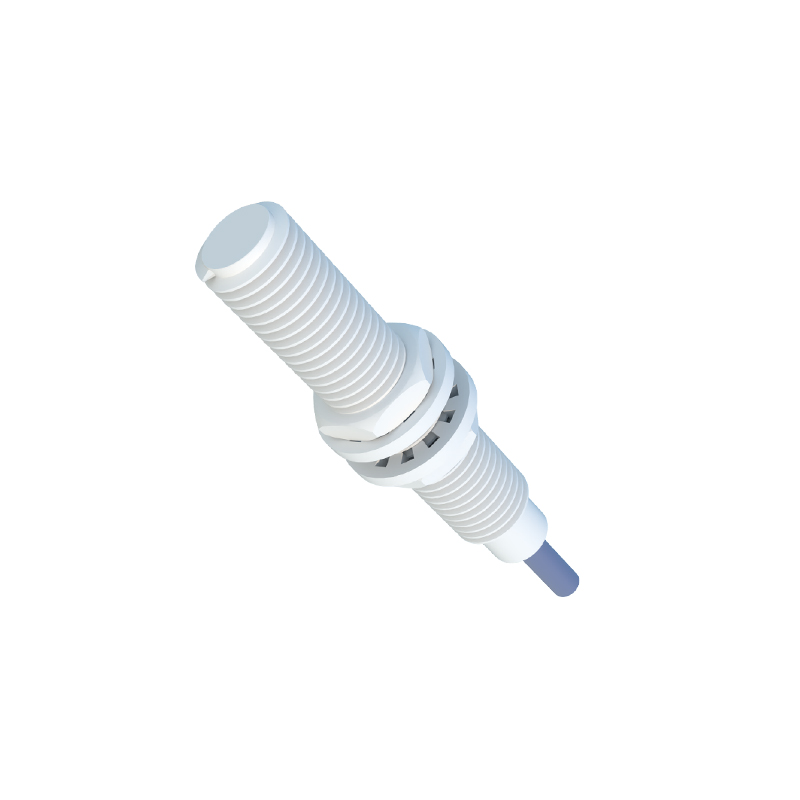
The application of high-frequency proximity sensors is vast and critical in modern manufacturing. They are indispensable in high-speed counting tasks on production lines, such as counting bottles, cans, or small components. In packaging machinery, they ensure precise timing for cutting, sealing, or labeling operations. Rotary encoders often use them to measure speed or position on motor shafts and gears. On assembly lines, they verify the presence of parts at precise locations before a robotic arm performs an operation. Any process where timing, synchronization, or rapid verification is needed likely relies on a sensor with an appropriate switching frequency.
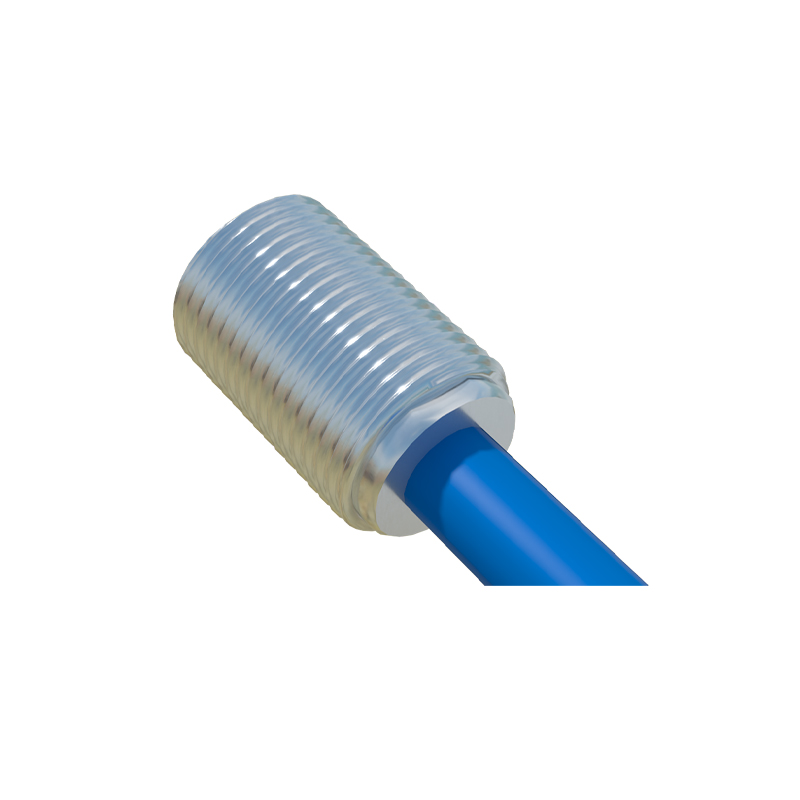
Selecting the right proximity switch frequency sensor requires careful consideration beyond just the maximum Hz rating. The primary step is to calculate the required frequency for the application. This involves determining the maximum speed of the target (e.g., in meters per second) and its size. The formula is essentially: Frequency (Hz) = Target Speed (m/s) / Target Size (m). It is a best practice to select a sensor with a rated frequency at least 1.5 to 2 times higher than this calculated value to provide a safety margin and account for real-world variables like vibration or target alignment.
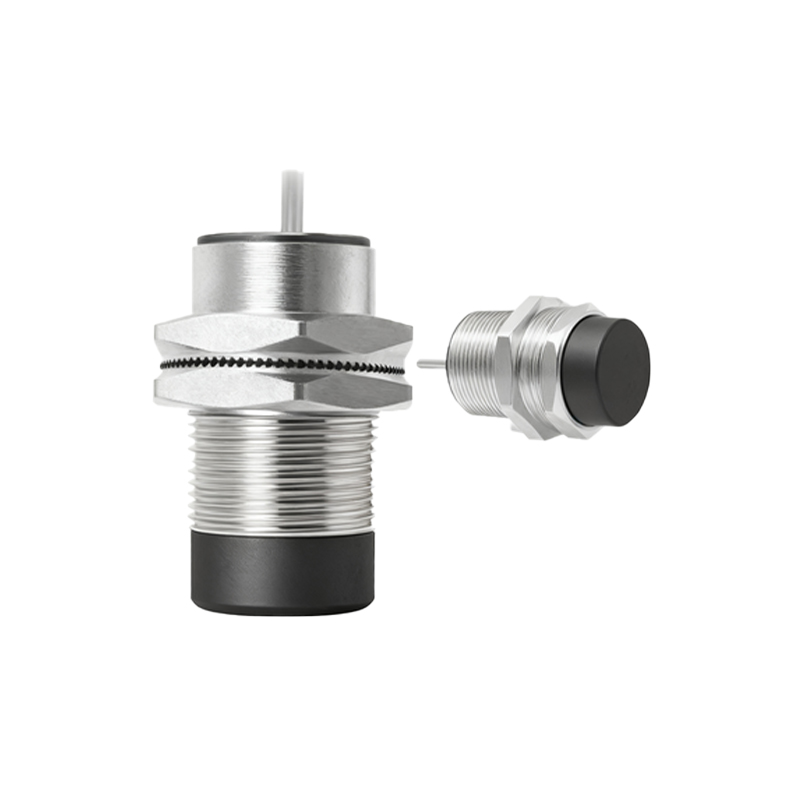
Other crucial selection criteria include the sensing distance, which must be sufficient for the mechanical setup; the output type (PNP/NPN transistor or analog) compatible with the controller (PLC); the housing material (e.g., stainless steel for harsh environments); and environmental ratings like IP67 for dust and water resistance. Ignoring these factors can lead to premature failure or unreliable operation, even if the frequency specification seems adequate.
Installation and setup are also vital for optimal performance. Sensors should be mounted securely to minimize vibration. The sensing face must be positioned correctly relative to the target's path. For inductive sensors, it's important to ensure that no other metal objects are within the sensing field, as they could cause false triggering. Regular maintenance, such as cleaning the sensing face from oil, dust, or debris, is essential to maintain the sensor's sensitivity and stated switching capabilities.
In conclusion, the switching frequency is a defining characteristic for proximity sensors in dynamic applications. A proximity switch frequency sensor is not a distinct category but rather a standard proximity sensor chosen with its frequency response as the top priority. Understanding the principles behind this specification, accurately assessing application requirements, and considering the complete operational context are the keys to implementing a reliable, high-performance sensing solution that enhances automation efficiency, product quality, and overall system throughput. As automation continues to demand higher speeds and greater precision, the role of these fast-responding sensors will only become more central.