In the world of photonics and laser technology, accurate measurement of optical power is fundamental. Laser power sensors are critical instruments designed to measure the output power of laser beams and other light sources. Unlike simple light meters, these sensors are engineered to handle the specific characteristics of laser light, such as high power densities, specific wavelengths, and continuous or pulsed operation modes. The core function of any laser power sensor is to convert incident optical energy into a measurable electrical signal, typically through thermal, photodiode, or pyroelectric detection principles.
Thermal sensors are among the most common and versatile types. They operate by absorbing the laser radiation, which causes a temperature rise in a sensing element. This temperature change is then measured, often via thermopiles or thermistors, and correlated to optical power. The key advantage of thermal sensors is their broad spectral response and ability to measure high power levels, from milliwatts to kilowatts, with excellent accuracy. They are relatively wavelength-independent because they measure absorbed heat, not the photon energy directly. This makes them suitable for measuring lasers from the ultraviolet to the far-infrared spectrum. However, they generally have slower response times compared to other sensor types.
Photodiode-based sensors offer high sensitivity and fast response times, making them ideal for measuring low-power lasers, typically in the nanowatt to milliwatt range. They work on the principle of the photoelectric effect, where incident photons generate electron-hole pairs in a semiconductor material, producing a photocurrent proportional to the light intensity. These sensors provide high sensitivity but have a limited spectral range and can saturate or be damaged at high power levels. They often require precise calibration for specific wavelengths.
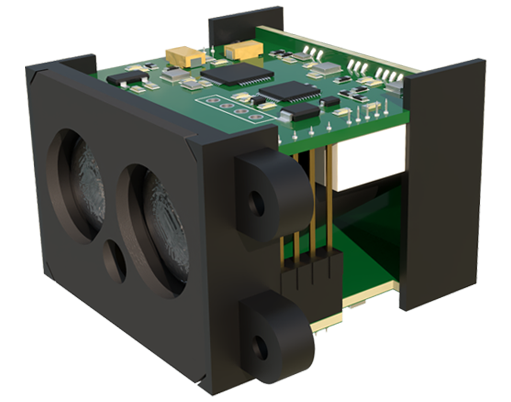
For measuring pulsed lasers, pyroelectric sensors are frequently employed. These sensors generate a temporary voltage when they experience a change in temperature due to absorbed pulsed radiation. They are ideal for measuring the energy of individual laser pulses or high-repetition-rate pulsed systems, as they respond only to changes in incident power, not to continuous radiation.
Selecting the right laser power sensor requires careful consideration of several parameters. The primary factor is the power range of the laser to be measured. Using a sensor outside its specified range can lead to inaccurate readings or permanent damage. The wavelength or spectral range of the laser must match the sensor's calibrated response. Other crucial parameters include the sensor's aperture size (which must accommodate the laser beam diameter), damage threshold (maximum power density it can withstand), response time, and required accuracy. For pulsed lasers, additional specs like pulse energy range, pulse width, and repetition rate become critical.

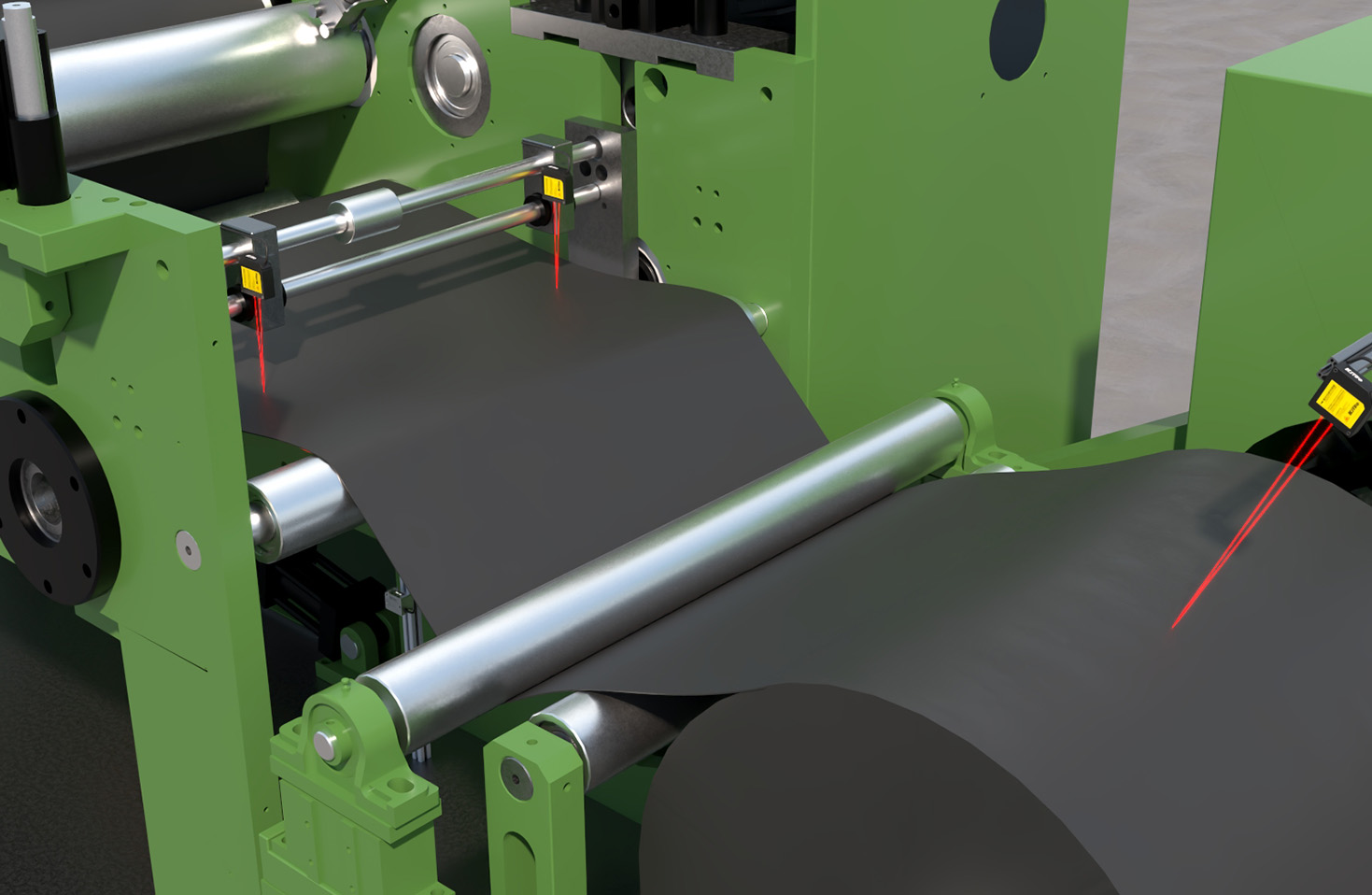
In practical applications, laser power sensors are indispensable across numerous industries. In telecommunications, they ensure signal integrity in fiber optic networks. In medical laser systems, from surgical to aesthetic devices, they guarantee patient safety and treatment efficacy by verifying output power. In industrial manufacturing, such as laser cutting, welding, and marking, power sensors are used for process control and quality assurance, ensuring consistent and precise material processing. Research and development laboratories rely on them for characterizing new laser sources and optical components. Furthermore, in defense and aerospace, they are used to test and calibrate laser rangefinders, target designators, and Lidar systems.
Proper use and maintenance of these sensors are vital for sustained accuracy. Users must ensure the laser beam is correctly aligned and centered on the sensor's active area to avoid measurement errors. For high-power measurements, many thermal sensors require active cooling or heat sinking. Regular calibration against a recognized standard is essential, as sensor responsivity can drift over time due to aging or exposure to high power levels. Most manufacturers provide calibration services traceable to national standards.
The field continues to evolve with advancements in materials and electronics. Innovations include sensors with wider dynamic ranges, improved damage thresholds for high-power ultrafast lasers, and smart sensors with integrated electronics for direct digital readout and connectivity. As laser technology pushes into new power regimes and applications, the development of robust, precise, and user-friendly laser power sensors remains a cornerstone of progress in photonics.