Magnetic proximity sensors are non-contact electronic devices that detect the presence or absence of a magnetic field, typically generated by a permanent magnet. Their operation hinges on a fundamental principle: they react to changes in a magnetic field without requiring physical contact with the target object. This core characteristic makes them exceptionally reliable, durable, and suitable for harsh environments where dirt, dust, oil, or vibrations would compromise mechanical switches or optical sensors.
The most common sensing technology employed is based on the Hall effect. A Hall effect sensor contains a thin semiconductor element. When this element is exposed to a perpendicular magnetic field, a small voltage, known as the Hall voltage, is generated across it. The sensor's integrated circuitry detects this voltage change and triggers a solid-state switch, providing a clean digital output signal. Another prevalent technology is the Reed switch, a hermetically sealed glass capsule containing two ferromagnetic reeds. When a magnet approaches, the reeds magnetize, attract each other, and make contact, closing an electrical circuit. While Reed switches are simple and cost-effective, Hall effect sensors generally offer faster switching speeds, longer operational life, and greater resistance to shock.
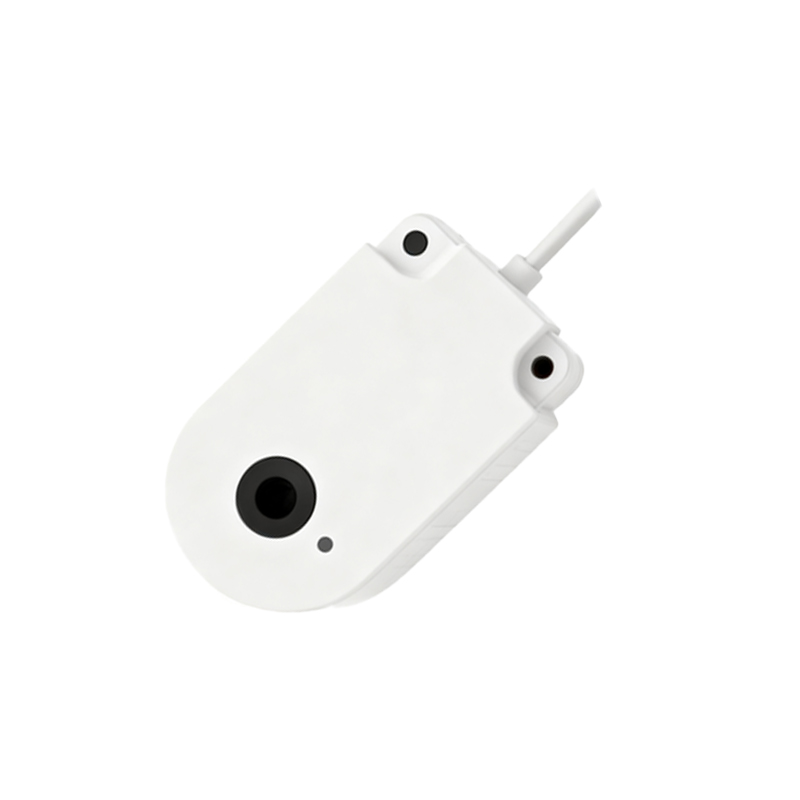
The advantages of magnetic proximity sensors are numerous. Their non-contact nature means no moving parts wear out, leading to a virtually infinite mechanical lifespan. They are immune to contaminants like dust, chips, or fluids, making them ideal for industrial automation, machine tools, and automotive applications. They can detect objects through non-ferrous materials like aluminum, plastic, or glass, allowing for innovative mounting solutions. Furthermore, they operate reliably across a wide temperature range and are unaffected by ambient light conditions.
These sensors find extensive use across diverse industries. In factory automation, they are ubiquitous for position sensing—detecting the open/closed status of doors, hatches, and guards; counting objects on conveyors; and providing end-of-travel limits for cylinders and actuators. The automotive industry relies on them for gearbox speed sensing, brake pedal position, seat belt detection, and wheel speed sensing for anti-lock braking systems (ABS). In consumer electronics, they serve as lid-close detectors in laptops and flip phones. They are also critical in safety systems, such as confirming the locked position of elevator doors.
Selecting the right magnetic proximity sensor requires careful consideration of several parameters. First, define the sensing distance or switch point—the distance at which the sensor reliably detects the magnet. This is often specified for a standard magnet size. The type of output is crucial: common options include digital (PNP/NPN transistor), analog (current or voltage proportional to field strength), and latching versions that maintain state after the magnet is removed. The electrical requirements, such as supply voltage and current consumption, must match the control system. Environmental factors like operating temperature range, ingress protection (IP) rating for dust and water resistance, and resistance to specific chemicals or oils are vital for long-term reliability. Finally, the physical form factor—cylinder, rectangular block, or slot style—must suit the mounting constraints.
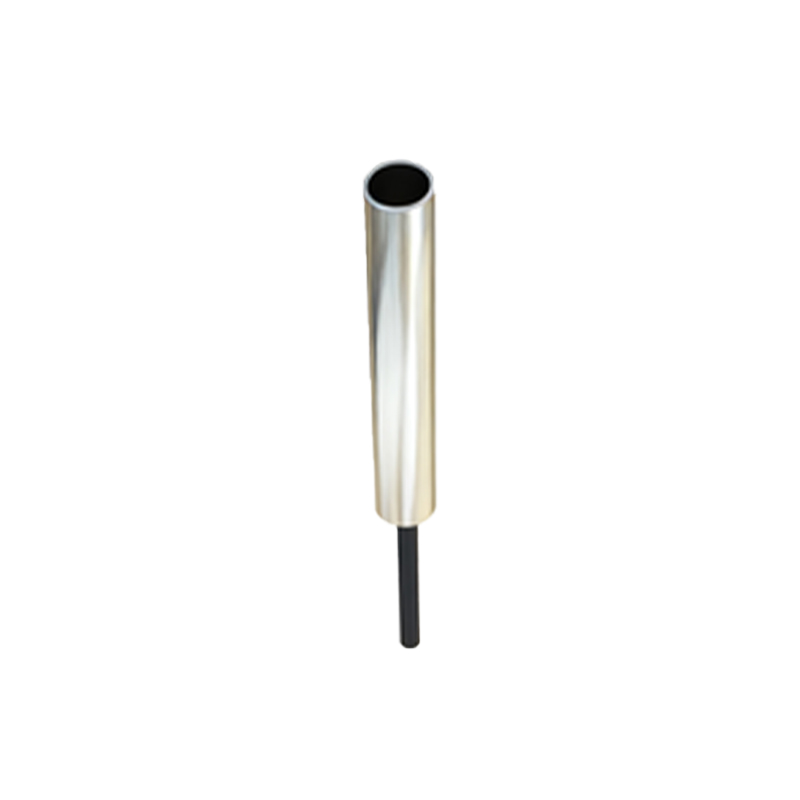
Installation and alignment are straightforward but important. The sensor must be positioned so that the magnet's path of travel brings it within the specified sensing distance. For consistent operation, especially with analog sensors, the orientation of the magnet's poles relative to the sensor's active face is critical. Most sensors are designed to detect the magnetic field from the south or north pole moving across their face. Proper shielding from stray magnetic fields from motors or transformers may be necessary in some installations.
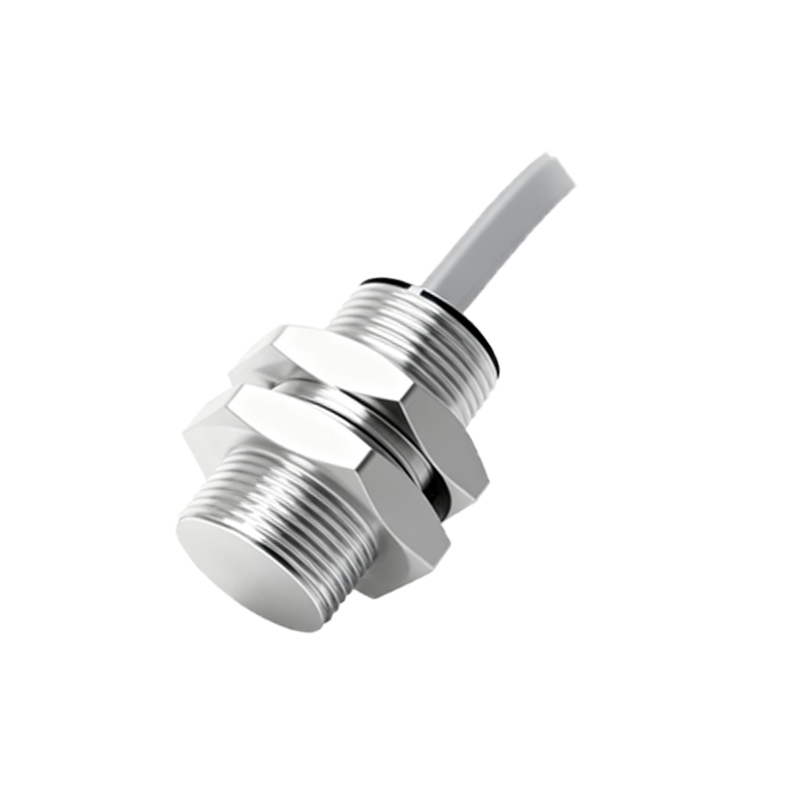
In summary, magnetic proximity sensors offer a robust, versatile, and maintenance-free solution for position and presence detection. By understanding their operating principles, key advantages, and the critical factors involved in selection and application, engineers and technicians can effectively implement these sensors to enhance the reliability and functionality of countless mechanical and electronic systems. Their silent, solid-state operation continues to make them a preferred choice where durability and precision are paramount.