In the world of automation, electronics, and smart devices, proximity sensors are the silent sentinels. They detect the presence or absence of an object without physical contact. However, their true functionality and flexibility are unlocked by their action mode. This fundamental setting dictates how the sensor's output signal behaves in response to a detected target, directly impacting system logic, safety, and integration.
At its core, an action mode defines the relationship between the sensor's state (detecting or not detecting an object) and the state of its electrical output signal (ON or OFF). The two primary and universal action modes are Normally Open (NO) and Normally Closed (NC), also frequently referred to in industrial contexts as Light-Operate (L.O.) and Dark-Operate (D.O.), or in terms of logic as On-Detect and On-Idle.
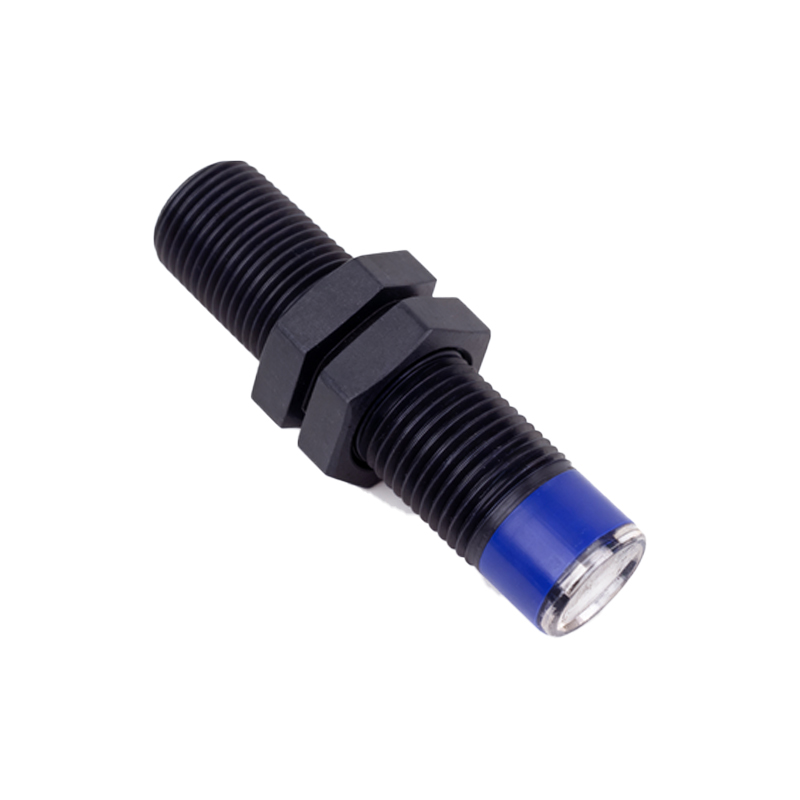
Normally Open (NO) / Light-Operate (L.O.) / On-Detect Mode
This is one of the most common configurations. In this mode, when the sensor is in its idle state (no target present), its output circuit is open, meaning no output signal is active (OFF). When a target enters the sensor's detection range, the circuit closes, and the output switches ON. Think of it like a button that is only pressed when an object is near.
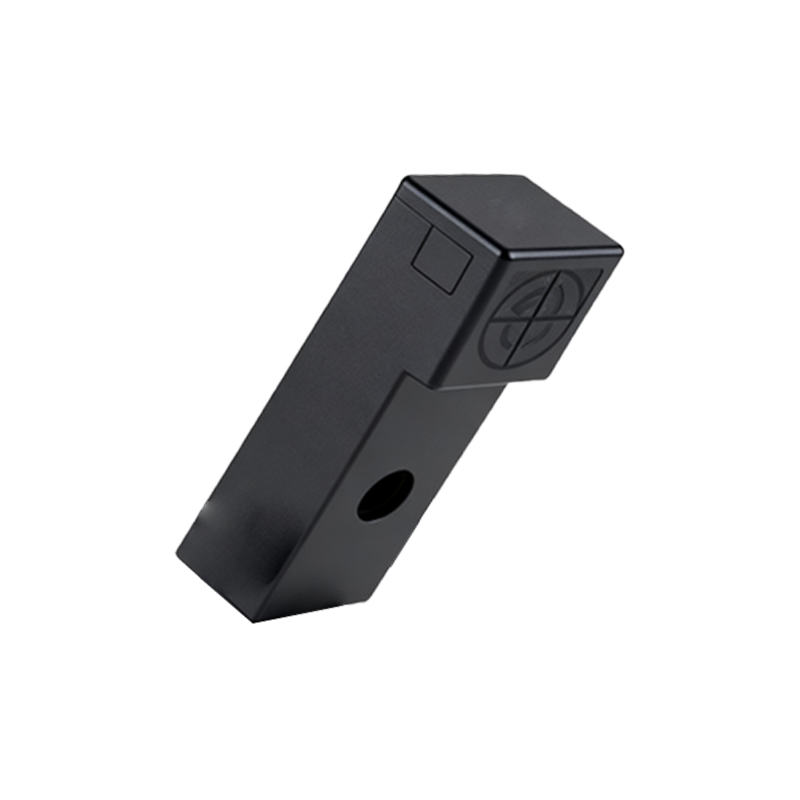
Application Example: A conveyor belt system where a box passing by a sensor triggers a stamping mechanism. No box = no signal = no stamp. Box detected = signal ON = stamp activates.
Logic Perspective: The action is initiated directly by the detection event. It's intuitive for starting processes.
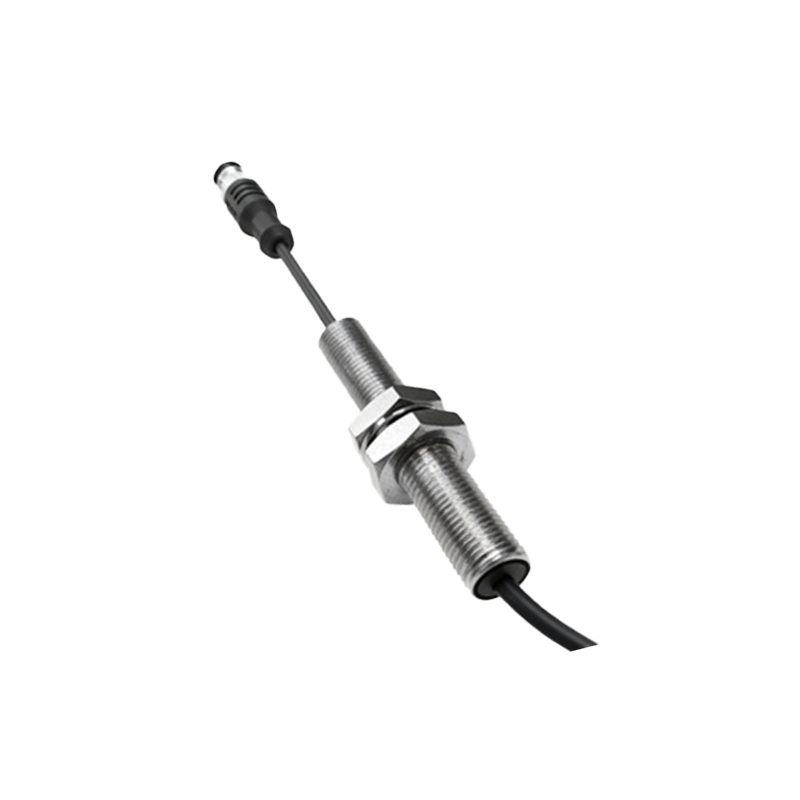
Normally Closed (NC) / Dark-Operate (D.O.) / On-Idle Mode
This mode presents the inverse logic. Here, when the sensor is idle (no target present), its output circuit is closed, and the output signal is active (ON). When a target is detected, the circuit opens, and the output switches OFF.
Application Example: A safety curtain on a machine. When the path is clear (no person detected), the signal is ON, allowing the machine to run. If someone breaks the light curtain (target detected), the signal switches OFF, triggering an immediate machine stop or alarm. This failsafe design is crucial for safety.
Logic Perspective: The action is initiated by the absence or interruption of detection. It is often used for safety interlocks and monitoring for object presence that must be maintained.
Choosing between NO and NC is not merely a preference; it is a critical design decision with significant implications:
1. Safety and Fail-Safe Design: This is the paramount consideration. NC action mode is inherently fail-safe for safety applications. If the sensor itself fails, if its wiring is cut, or if power is lost, the output will go to the OFF (open) state, which can be programmed to trigger a safe shutdown. An NO sensor in the same failure scenario would simply never activate, potentially leaving a dangerous machine running. For non-safety monitoring, such as detecting if a material bin is empty, an NC mode can signal an alarm when detection is lost (bin empty).
2. System Logic and Power Consumption: The choice simplifies control programming. If your process logic is "do something when an object arrives," NO mode provides a direct trigger. If the logic is "keep doing something until an object arrives," NC mode is more direct. Furthermore, in battery-powered devices, selecting the mode where the output is OFF during the predominant state (e.g., NO mode for a sensor that is rarely triggered) can conserve significant energy.
3. Wiring and Diagnostic Clarity: In complex control panels, a consistent approach to action modes aids troubleshooting. Understanding that all safety devices are wired NC, for instance, allows a technician to quickly interpret circuit behavior.
Many modern programmable proximity sensors, especially inductive and capacitive types, offer a selectable action mode via a switch or software configuration. This flexibility allows a single sensor model to be deployed for either NO or NC applications, reducing inventory complexity. When configuring, always verify the datasheet terminology—"NO/NC," "L.O./D.O.," or "PNP/NJP with complementary logic."
In conclusion, the action mode is not just a technical specification; it is the language through which a proximity sensor communicates with the wider control system. Selecting the correct mode—Normally Open for direct action or Normally Closed for fail-safe security and monitoring—is essential for creating reliable, efficient, and safe automated systems. Always base this decision on the desired system behavior in both normal and fault conditions.