Laser Sensor DL technology represents a significant advancement in the field of precision measurement and detection. These sensors utilize laser diodes to emit focused light beams, which are then analyzed after interaction with a target object. The "DL" designation often refers to specific models or series known for their Digital Link capabilities or Distance Laser functionality, enabling high-speed, accurate data transmission and measurement.
The core principle involves either time-of-flight (ToF), triangulation, or phase-shift measurement. In the ToF method, the sensor calculates distance by measuring the time it takes for a laser pulse to reflect back. Triangulation sensors use the angle of the reflected beam to determine position, offering exceptional accuracy at close ranges. Phase-shift sensors analyze the phase difference between emitted and received modulated laser light, suitable for medium-range applications. Laser Sensor DL units integrate sophisticated digital processors that handle this raw data, filtering noise and converting it into stable, reliable distance or presence information.
Key advantages of Laser Sensor DL systems are their remarkable precision, often down to micrometer levels, and their ability to function without physical contact. This non-contact nature prevents damage to both the sensor and the target, making them ideal for delicate or fast-moving objects. They exhibit high resistance to environmental interference from ambient light or electromagnetic fields, especially when compared to traditional optical or inductive sensors. Furthermore, their fast response times, sometimes in the microsecond range, are critical for high-speed automation and robotics.
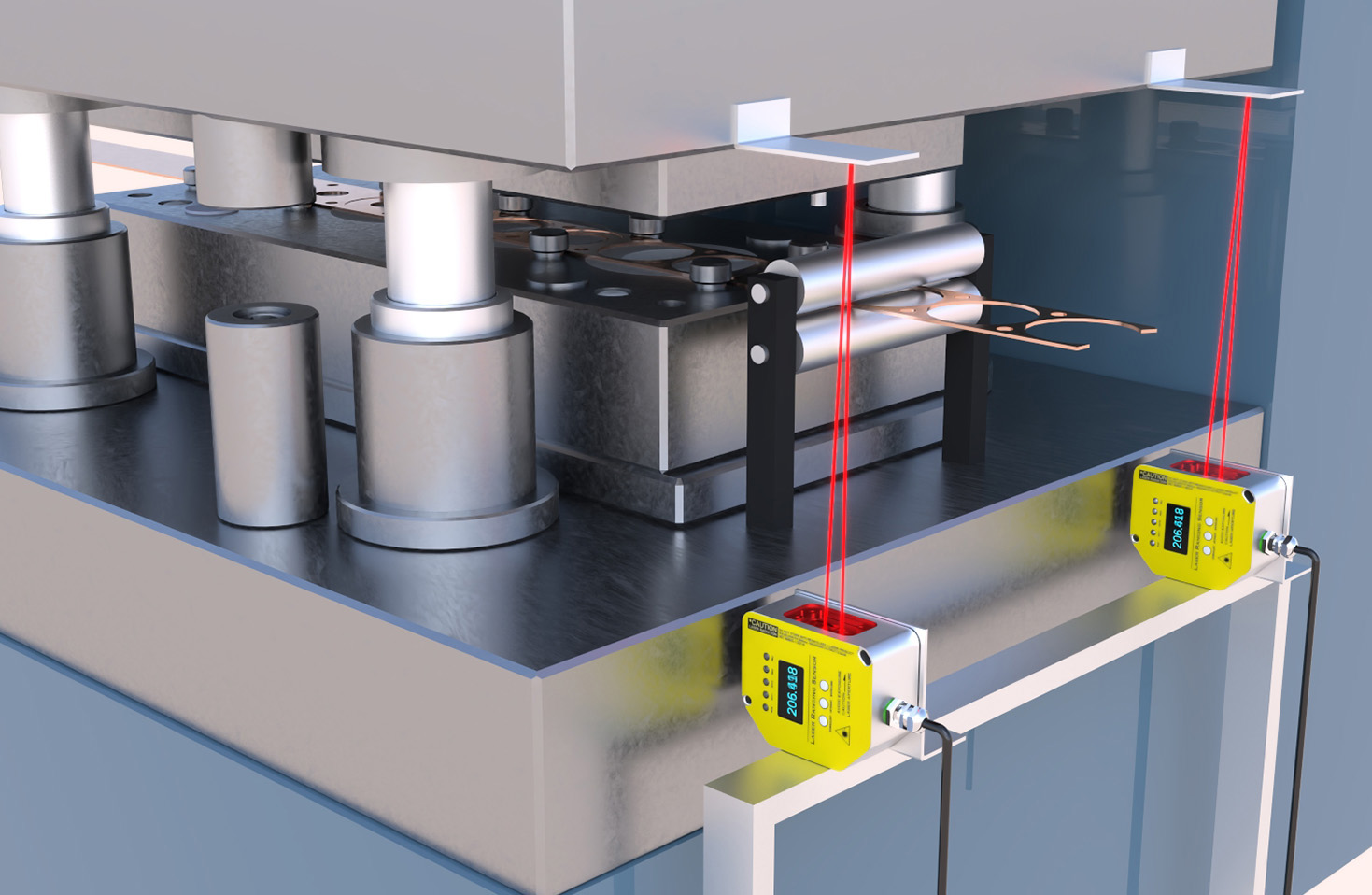
The applications of Laser Sensor DL sensors are vast and transformative across industries. In factory automation, they are indispensable for precise positioning, contour profiling, and thickness measurement on production lines. Robots use them for navigation, object recognition, and bin-picking tasks, relying on their accuracy for safe and efficient operation. The automotive sector employs these sensors for assembly verification, gap measurement, and collision avoidance systems. Beyond manufacturing, they play roles in logistics for volume measurement, in agriculture for crop monitoring, and in emerging fields like autonomous vehicles for LiDAR-based environmental mapping.
Selecting the right Laser Sensor DL requires careful consideration of several parameters. The required measuring range is primary; some models are optimized for short distances with high precision, while others cover several hundred meters. Resolution and linearity define the sensor's accuracy. The type of output—analog voltage, current, or digital protocols like IO-Link or Ethernet—must be compatible with the control system. Environmental conditions such as temperature extremes, dust, moisture, or exposure to chemicals dictate the necessary ingress protection (IP) rating and housing material. The surface properties of the target, including color, reflectivity, and texture, also significantly impact performance, with some sensors featuring automatic sensitivity adjustment.
Installation and alignment are crucial for optimal performance. Proper mounting ensures a stable measurement point, while alignment guarantees the laser beam is perpendicular to the target surface for most accurate results. Regular maintenance, primarily keeping the lens clean from dust and debris, is simple but essential for long-term reliability. Modern DL sensors often include built-in diagnostics and status indicators via their digital interfaces, facilitating predictive maintenance and minimizing downtime.
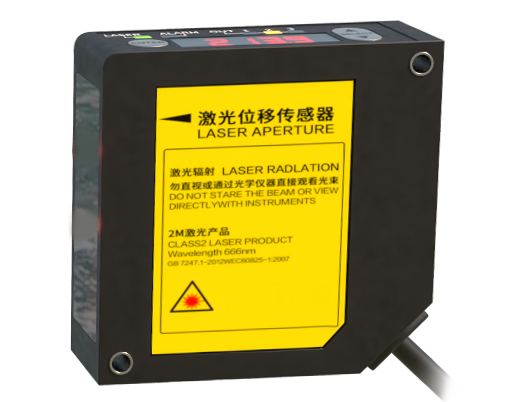
Looking ahead, the evolution of Laser Sensor DL technology points toward even greater miniaturization, enhanced connectivity through Industrial Internet of Things (IIoT) frameworks, and smarter onboard intelligence. Future sensors will likely incorporate advanced algorithms for edge computing, allowing for more complex decision-making at the sensor level itself. Integration with artificial intelligence for pattern recognition and predictive analytics will further expand their capabilities, solidifying their role as a cornerstone of smart industrial and technological ecosystems.