Modern vehicles are increasingly equipped with sophisticated driver-assistance systems, and proximity sensors are a critical component of this technology. These sensors, often part of Parking Assist Systems (PAS) or Advanced Driver-Assistance Systems (ADAS), use ultrasonic or electromagnetic waves to detect nearby objects. When they malfunction, it can compromise safety and convenience, leading to false alerts, system failures, or even minor collisions. Understanding the common causes, symptoms, and solutions for these faults is essential for any vehicle owner.
One of the most frequent indicators of a problem is the illumination of a warning light on the dashboard, typically depicting a car with sound waves or an exclamation mark. The system may also deactivate itself automatically, displaying a message like "Parking Assist Unavailable" or "Sensor Blocked." Audible alerts are another key symptom. You might experience constant beeping when there is clearly no obstacle, or conversely, a complete absence of warning tones when approaching a wall or another vehicle. Inconsistent behavior, where the system works intermittently or only certain sensors seem to fail, is also a classic sign of an underlying issue.
The root causes of these malfunctions are varied. Physical damage is a primary culprit. A minor impact, flying debris, or even improper washing with a high-pressure jet can crack, dislodge, or misalign a sensor. Dirt, mud, ice, or snow accumulation on the sensor's surface is an extremely common and often simple cause, as it obstructs the signal. Environmental factors like heavy rain, fog, or extreme temperatures can sometimes temporarily interfere with sensor operation. Electrical problems are more complex; these include corroded or loose wiring connectors, damaged harnesses, or issues with the control module itself. Finally, as with any electronic component, sensors can simply fail due to age or internal defects.
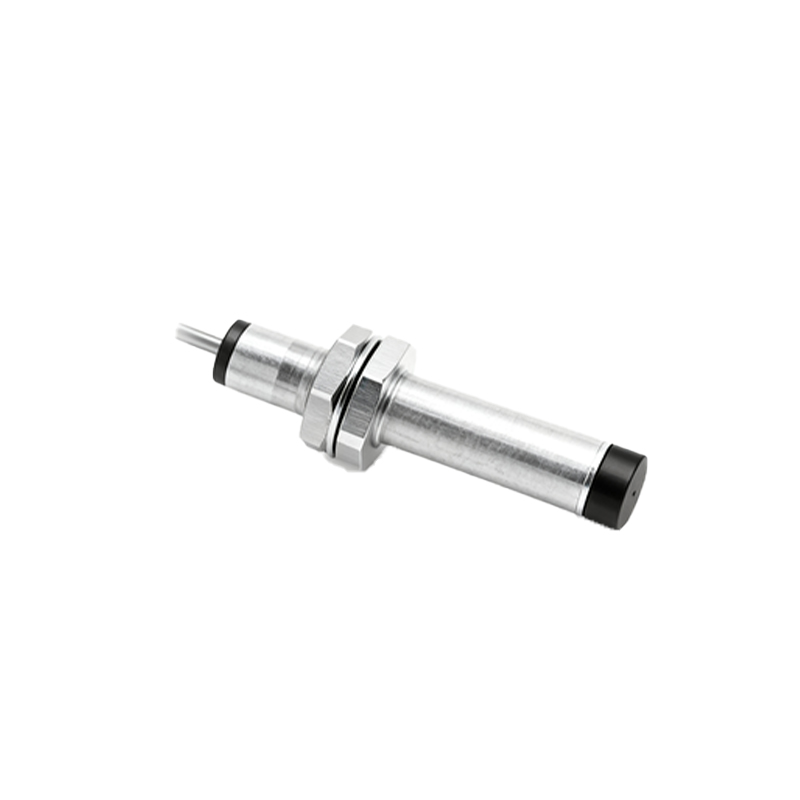
Diagnosing the issue begins with a visual inspection. Carefully clean the sensor surfaces—usually small, round discs embedded in the front and rear bumpers—with a soft cloth and mild cleaner. Ensure there are no stickers, thick layers of wax, or physical obstructions like a trailer hitch or bike rack interfering with the detection field. If cleaning doesn't resolve the issue, a professional scan tool is necessary. This tool can communicate with the vehicle's computer to retrieve specific diagnostic trouble codes (DTCs) that pinpoint which sensor or circuit is faulty. It can also be used to test each sensor's signal output in real-time.
For simple cases like dirt or minor physical obstructions, the fix is straightforward. Thorough cleaning or removing the obstruction will restore function. If a sensor is physically damaged, replacement is usually required. This often involves removing part of the bumper liner to access the sensor, disconnecting the electrical plug, and installing a new, compatible unit. Crucially, after replacing an ultrasonic sensor, a calibration or initialization procedure is frequently necessary. This process teaches the vehicle's computer the exact position and characteristics of the new sensor. For radar-based sensors used in adaptive cruise control or automatic emergency braking, a precise, static, or dynamic calibration using specialized alignment targets is mandatory and must be performed by a qualified technician.
Electrical faults require tracing the wiring from the sensor back to the control module, checking for continuity, shorts, or corrosion at connectors. Repairing damaged wires or cleaning connectors can sometimes solve the problem. If the control module is diagnosed as faulty, replacement and programming are the final steps.
Preventive maintenance can reduce the risk of failure. Regularly washing your vehicle, including the bumper areas where sensors are located, prevents grime buildup. Be cautious when parking close to curbs or objects to avoid scraping the sensors. During winter, gently clear ice and snow from sensor surfaces. If you have aftermarket bodywork or modifications performed, verify that the shop is aware of sensor locations and knows how to properly reinstall and calibrate them.
While a malfunctioning parking sensor might seem like a minor nuisance, it can be a symptom of a larger electrical issue or degrade the performance of critical safety systems. Addressing these problems promptly not only ensures your convenience features work as intended but also helps maintain the integrity of your vehicle's overall safety network. For complex ADAS-related sensors, seeking professional diagnosis and repair is strongly recommended to ensure all systems function correctly and safely.