Proximity sensors are ubiquitous in modern automation, robotics, and consumer electronics, silently performing critical detection tasks. At the heart of their reliable operation lies a fundamental parameter: the operating voltage. This guide delves into the intricacies of proximity sensor operating voltage, explaining its importance, common ranges, and key considerations for optimal system integration.
Operating voltage refers to the electrical potential difference required to power the sensor's internal circuitry and enable its sensing function. It is the lifeblood of the device. Supplying voltage outside the specified range can lead to catastrophic failure, erratic behavior, or significantly reduced performance and lifespan. Most industrial proximity sensors are designed for Direct Current (DC) power supplies, with a defined operating voltage window, such as 10-30V DC or 5V DC. This range accounts for typical fluctuations in industrial power networks.
There are two primary categories based on voltage requirements. First, low-voltage sensors, often operating at 5V DC or 3.3V DC, are common in electronic circuits, Arduino projects, and battery-powered devices. They are compatible with standard logic-level voltages of microcontrollers. Second, standard industrial sensors typically function within a wider range, commonly 10-30V DC. This broad range offers flexibility and resilience against voltage sags or surges common in factory environments. Some heavy-duty or specialized sensors may operate on 24-240V AC/DC, but these are less common for standard proximity detection.
The sensor's output type is intrinsically linked to its voltage requirements. A 3-wire DC sensor will have separate wires for power supply (V+), ground (0V), and the output signal. The output signal itself switches to either the supply voltage (for a PNP/sourcing sensor) or to ground (for an NPN/sinking sensor). Therefore, understanding whether you have a PNP or NPN sensor is crucial for connecting it correctly to your controller (PLC, relay, etc.), which must be compatible with this signal voltage level. A mismatch here is a frequent source of installation problems.
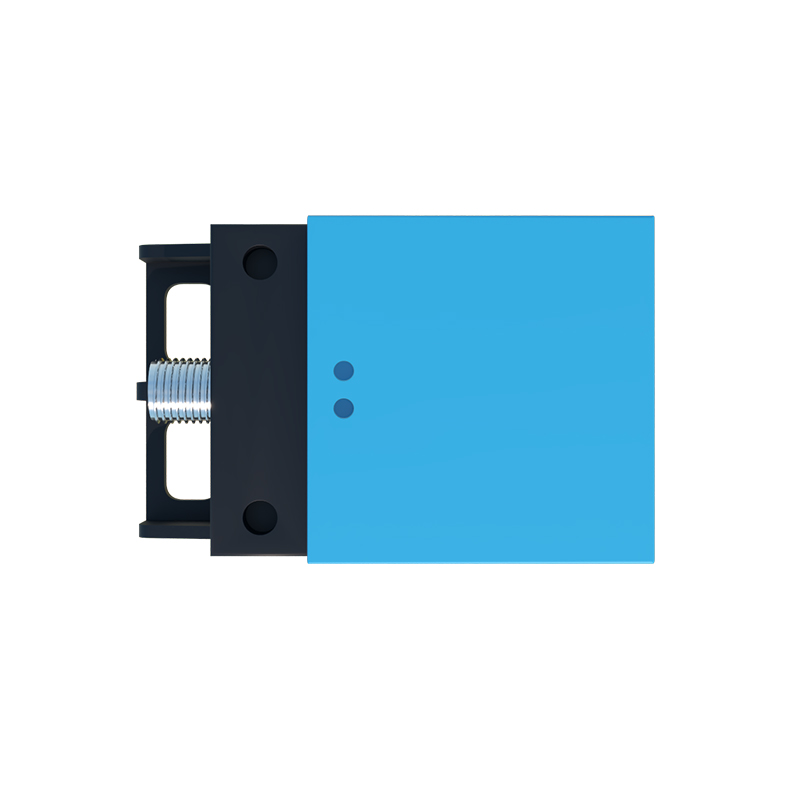
Several critical factors must be considered when selecting and applying a sensor based on its voltage. Always consult the manufacturer's datasheet for the precise operating voltage range (e.g., 12-24V DC ±10%). Never assume. For DC sensors, ensuring correct polarity is non-negotiable; reverse connection can instantly destroy the device. In noisy electrical environments with motors or variable frequency drives, consider using a regulated power supply to maintain stable voltage. Additionally, account for voltage drop over long cable runs, which might require a higher supply voltage at the source to ensure the sensor receives its minimum required voltage.
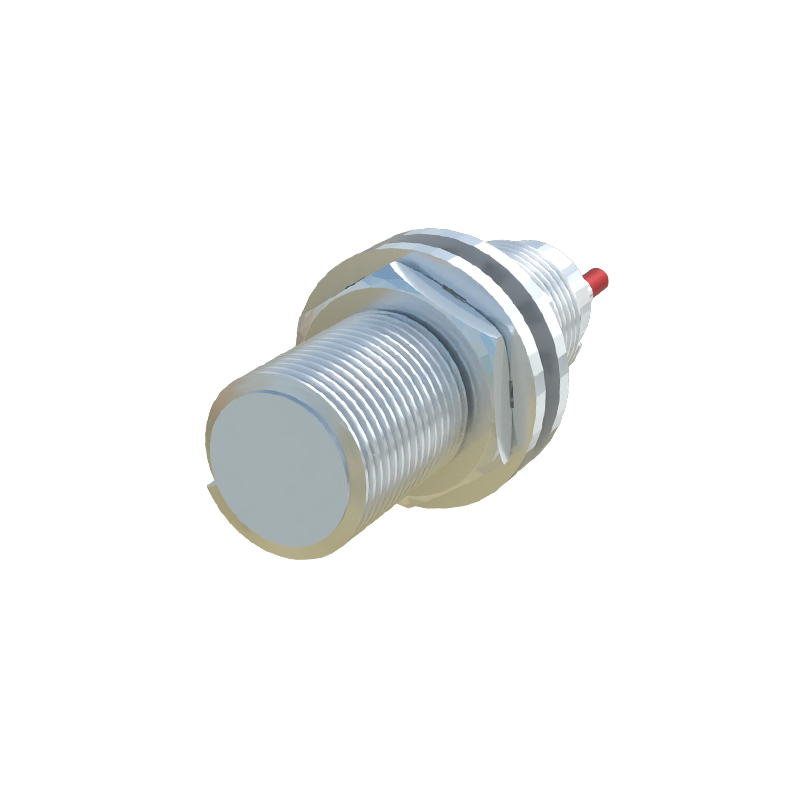
A common application challenge involves interfacing a 24V DC industrial sensor with a 5V microcontroller input. Direct connection will damage the microcontroller. The solution is to use a voltage divider circuit or an opto-isolator module to safely step down the signal. Conversely, powering a sensor rated for 10-30V DC with a 5V supply will simply prevent it from turning on, as it's below the minimum threshold.
In summary, the operating voltage is not just a number on a datasheet; it is a fundamental specification that dictates compatibility, reliability, and safety. Successful implementation requires matching the sensor's voltage range with a stable power source and correctly interfacing its output signal with the control system. By paying close attention to these electrical parameters, engineers and technicians can ensure their proximity sensing systems perform accurately and reliably for years to come.