Proximity sensors have evolved from simple industrial components to sophisticated enablers of modern technology, finding applications across a diverse spectrum of industries. Their core function—detecting the presence or absence of an object within a defined range without physical contact—remains constant, but the methodologies and implications of their use have expanded dramatically. This research delves into the principal application domains, technological advancements, and emerging trends shaping the future of proximity sensing.
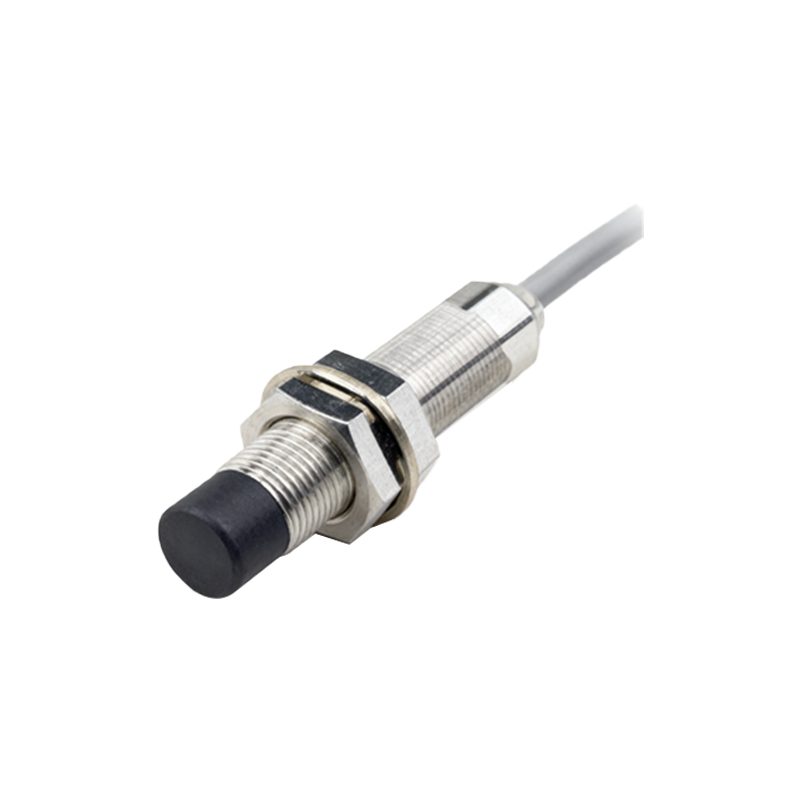
In industrial automation, proximity sensors are indispensable for ensuring precision, safety, and efficiency. Inductive sensors, detecting metallic objects, are fundamental in machine tools for position verification, part counting on conveyor belts, and robotic end-effector alignment. Capacitive sensors, capable of detecting both metallic and non-metallic materials, are crucial in packaging, woodworking, and liquid level control. These sensors facilitate high-speed operations, reduce mechanical wear, and enhance system reliability by providing real-time feedback for programmable logic controllers (PLCs). The trend here is toward miniaturization, increased switching frequency, and enhanced immunity to electromagnetic interference, allowing for denser machine designs and more complex automation sequences.
The automotive sector represents another critical arena. From basic functions like detecting gear lever position or door ajar status, proximity sensing has become central to advanced driver-assistance systems (ADAS). Ultrasonic sensors form the backbone of parking assistance, creating a proximity field around the vehicle. More advanced systems integrate short-range radar and LiDAR for blind-spot detection, cross-traffic alert, and gesture recognition for infotainment control. This evolution is directly linked to the push toward autonomous driving, where robust, multi-modal proximity sensing is non-negotiable for environmental perception and collision avoidance.
Consumer electronics have been revolutionized by the integration of miniature infrared (IR) and capacitive proximity sensors. The most ubiquitous example is the smartphone, where an IR sensor detects when the phone is held to the ear during a call, automatically turning off the display to save power and prevent accidental touch inputs. Capacitive sensing enables touchless gestures and "wake-on-approach" features in laptops and tablets. Furthermore, wearable devices use optical proximity sensors for health monitoring, such as detecting when a smartwatch is worn to enable heart-rate tracking. The drive is for ever-smaller, lower-power sensors that can be embedded seamlessly into sleek device designs.
Emerging and high-growth applications are pushing the boundaries of proximity sensor technology. In the realm of the Internet of Things (IoT) and smart infrastructure, sensors monitor occupancy in buildings for optimized HVAC and lighting control, contributing to significant energy savings. In healthcare, proximity sensors enable touchless interfaces for medical equipment, reducing cross-contamination, and are used in assistive devices for the visually impaired. Robotics, both industrial and service-oriented, relies on a fusion of proximity data from multiple sensor types (ultrasonic, IR, vision) for safe navigation and human-robot collaboration.
Key research and development directions are focused on overcoming current limitations. Sensor fusion—combining data from proximity, vision, and inertial sensors—is critical for creating more accurate and context-aware systems. The development of low-power, wide-area sensing technologies is vital for battery-operated IoT devices. Furthermore, research into novel materials and principles, such as graphene-based sensors or time-of-flight (ToF) techniques, promises higher resolution, longer range, and better performance in challenging environmental conditions like dust, fog, or extreme temperatures.
In conclusion, the application landscape for proximity sensors is characterized by deep integration and intelligent functionality. Moving beyond simple binary detection, modern systems leverage these sensors as key data points within larger cyber-physical systems. The ongoing research aims not only to improve individual sensor parameters like accuracy and range but also to enhance their connectivity, data processing capabilities, and adaptability, solidifying their role as fundamental enablers of automation, safety, and interactive experiences in an increasingly connected world.