Square proximity sensors are essential components in modern industrial automation, offering reliable object detection without physical contact. These sensors utilize electromagnetic fields, infrared light, or ultrasonic waves to identify the presence, absence, or position of objects within their sensing range. Their square housing design allows for easy integration into machinery and equipment, providing durability in harsh environments such as manufacturing floors, packaging lines, and automotive assembly plants.
When considering square proximity sensors for your application, several factors must be evaluated. Sensing range, which varies from a few millimeters to several meters, should match the operational requirements. The choice between inductive, capacitive, photoelectric, or ultrasonic types depends on the material and properties of the target objects. Inductive sensors are ideal for detecting metals, while capacitive sensors can handle non-metallic materials like plastics or liquids. Environmental conditions, including temperature extremes, humidity, and exposure to chemicals, also influence sensor selection.
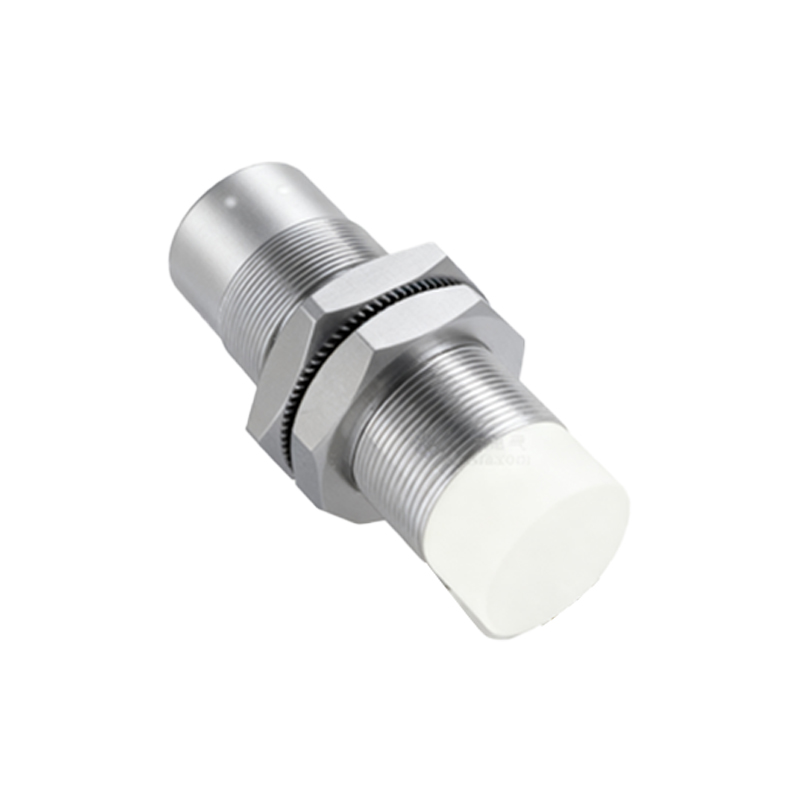
Online consultation for square proximity sensors has become a valuable resource for engineers and procurement specialists. Through digital platforms, users can access expert advice on sensor specifications, compatibility, and installation procedures. Many suppliers offer live chat, video calls, or email support to address technical queries promptly. This remote assistance helps in selecting sensors with appropriate output types (e.g., NPN, PNP, or analog), voltage ratings, and housing materials like nickel-plated brass or stainless steel for corrosion resistance.
The benefits of online consultation include time savings and access to global expertise. Instead of relying solely on printed catalogs, users can compare products from multiple brands, review datasheets, and utilize configuration tools to simulate sensor performance. For instance, in conveyor belt systems, consultants might recommend sensors with high switching frequencies to detect fast-moving items, or in food processing, suggest units with IP67 or IP69K ratings for washdown environments. Troubleshooting common issues, such as interference from adjacent sensors or electrical noise, is also facilitated through online guidance.
Implementing square proximity sensors requires attention to mounting and alignment. Proper installation ensures accurate detection and extends sensor lifespan. Online resources often provide step-by-step tutorials, diagrams, and videos to demonstrate best practices, such as maintaining adequate clearance from metal surfaces or adjusting sensitivity settings. Additionally, consultants can advise on compliance with industry standards like IEC 60947-5-2 for safety and performance.
Future trends in square proximity sensors include enhanced connectivity for Industry 4.0 applications. Sensors with IO-Link or Ethernet interfaces enable real-time data monitoring and predictive maintenance, reducing downtime. Online consultations now cover these smart features, helping businesses transition to automated, data-driven operations. Whether for simple presence detection or complex positioning tasks, leveraging expert advice online ensures optimal sensor deployment and system efficiency.
In summary, square proximity sensors play a critical role in automation, and online consultation services provide tailored support for selection, integration, and maintenance. By engaging with professionals through digital channels, users can navigate technical challenges and achieve reliable, cost-effective solutions for their operational needs.