Laser sensors are critical components in a vast array of modern systems, from industrial automation and robotics to security and consumer electronics. Their operation relies on the precise emission and reception of a focused light beam. When this beam's path is obstructed, a condition known as laser sensor blockage or occlusion occurs. This interruption can lead to system failures, inaccurate data, and even safety hazards. Understanding the root causes, immediate effects, and effective solutions is essential for maintaining operational integrity.
The primary cause of laser sensor blockage is physical obstruction. In industrial settings, this is often due to environmental contaminants like dust, dirt, oil mist, or debris accumulating on the sensor's lens. In material handling applications, the product itself might inadvertently pass too close to the sensor, blocking its line of sight. In outdoor or security applications, natural elements such as snow, ice, heavy rain, or spider webs can cover the sensor face. Intentional blockage, though less common, is a consideration in security systems where an intruder might attempt to disable a motion detector. Another subtle cause can be misalignment; if a sensor is bumped or vibrates out of position, its beam may strike an unintended surface, effectively creating a blocked signal condition.
The effects of a blocked laser sensor are immediate and typically result in a failure state. Most sensors are designed to detect the absence of a received beam. Therefore, a blockage often mimics the condition the sensor is meant to identify—such as the presence of an object in a safety light curtain, or the absence of a object on a conveyor belt. This can cause automated production lines to halt unexpectedly, generating costly downtime. In safety systems, a blocked sensor may fail to detect a person in a hazardous area, creating a severe risk. In measurement applications, like laser rangefinders, blockage renders the device useless, providing no data or wildly inaccurate readings. The system's response depends on its programming; it may enter a safe stop mode, trigger an alarm, or, in poorly designed systems, continue operating with faulty information, leading to product defects or machine damage.

Preventing and resolving laser sensor blockages involves a multi-layered approach focusing on design, maintenance, and technology selection. The first line of defense is proper sensor selection and placement. Choosing sensors with a higher ingress protection (IP) rating (e.g., IP67 or IP69K) seals them against dust and water jets. Installing sensors in locations less prone to splash, accumulation, or accidental contact is crucial. Using sensor models with built-in dirt detection or monitoring functions can provide early warnings. These advanced sensors can distinguish between a true target and lens contamination by monitoring the received signal strength, alerting operators before a full blockage occurs.
Regular and proactive maintenance is non-negotiable. Establishing a schedule to clean sensor lenses with appropriate materials (like lint-free cloths and approved cleaners) prevents gradual buildup. Inspecting for physical damage or misalignment should be part of routine checks. In extremely dirty environments, installing simple physical barriers like transparent protective covers or air blow-off devices (air knives) can keep the lens clear. For critical applications, implementing redundant sensing systems—using two different sensor technologies (e.g., a laser and an ultrasonic sensor) for the same task—ensures that if one is blocked, the other can maintain operation.
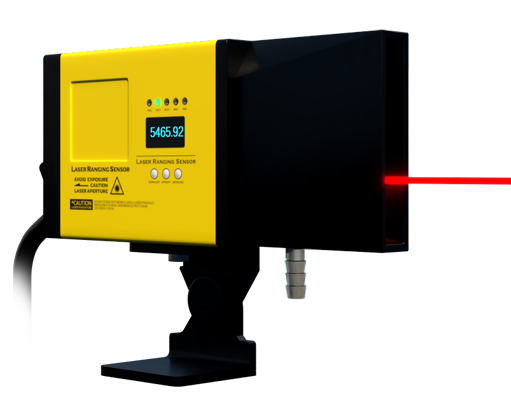
When a blockage occurs, systematic troubleshooting is key. The process should start with a visual inspection of the sensor face for obvious obstructions. After a safe lockout/tagout procedure, the lens should be carefully cleaned. Next, verify the sensor's alignment using manufacturer-recommended procedures. Checking the wiring and connections for faults is also important, as electrical issues can mimic blockage symptoms. Finally, consult the sensor's diagnostic indicators or software interface. Many modern sensors provide detailed status feedback, such as signal amplitude levels, which can confirm a partial or total blockage.
In conclusion, laser sensor blockage is a common challenge with significant operational implications. It stems primarily from environmental factors and physical interference. Its effects range from nuisance stops to critical safety failures. A robust strategy combining environmental hardening through proper sensor selection, diligent preventive maintenance, and the use of sensors with diagnostic capabilities is the most effective way to mitigate this risk. By treating sensor integrity as a priority, engineers and maintenance teams can ensure the reliability, accuracy, and safety of the systems that depend on these precise optical devices.