In the seamless dance of modern automation and smart interaction, there exists a silent, unseen sentinel. It doesn't make a sound, rarely draws attention to itself, yet its function is critical. This is the proximity sensor, a fundamental component that has evolved from simple industrial safety devices to sophisticated enablers of our daily digital lives.
At its core, a proximity sensor is a device that detects the presence or absence of an object within a certain range without any physical contact. It achieves this by emitting an electromagnetic field or a beam of radiation, often infrared light, and then looking for changes in the field or the return signal. The moment an object enters this predefined zone, the sensor triggers an electronic signal. This simple principle belies its profound utility.
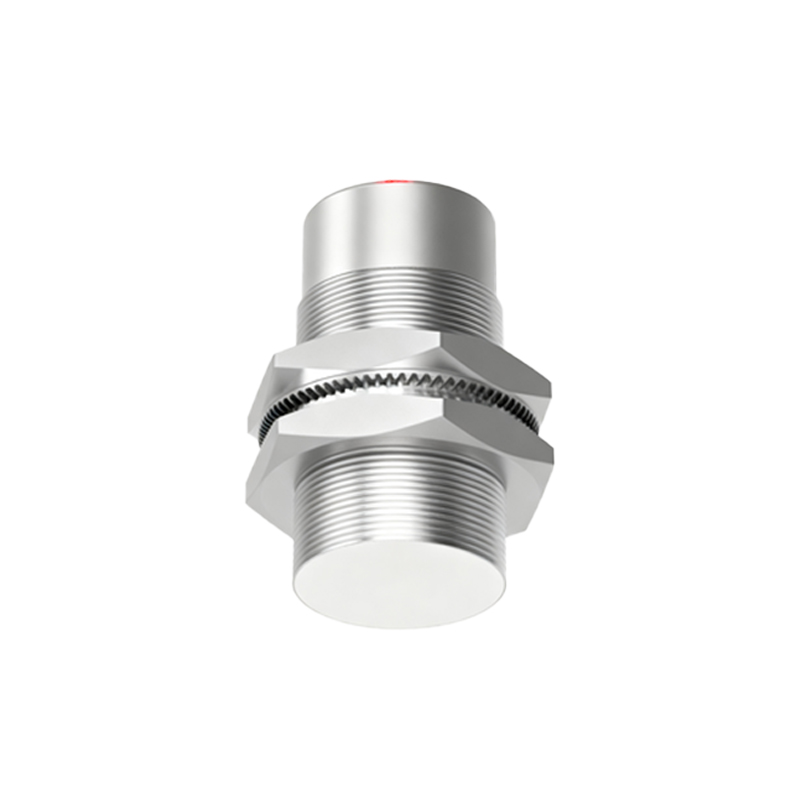
The applications are staggeringly diverse. In the industrial realm, they are the workhorses of automation. On assembly lines, inductive proximity sensors, which detect metallic objects, count parts, verify positioning, and ensure robotic arms operate within safe parameters. Capacitive sensors, which can detect both metallic and non-metallic materials like wood, plastic, or liquids, are used for fill-level monitoring in tanks or detecting broken tools. These applications boost efficiency, enhance precision, and, most importantly, create safer environments by preventing machinery from operating when a worker is too close.
Step out of the factory, and you encounter proximity sensors in more intimate settings. Your smartphone is a prime example. The small black dot near the earpiece is often an infrared proximity sensor. During a call, it detects when the phone is held to your face and automatically turns off the display to save power and prevent accidental screen touches. The same technology enables features like "Auto-Wake" on some laptops, where the device springs to life as you approach.
The automotive industry relies heavily on them for both convenience and advanced safety. Parking sensors use ultrasonic proximity detectors to measure the distance to obstacles, emitting audible warnings that increase in frequency as you get closer. More advanced systems are integral to driver-assistance features like blind-spot monitoring and automatic emergency braking, forming a sensory net around the vehicle.
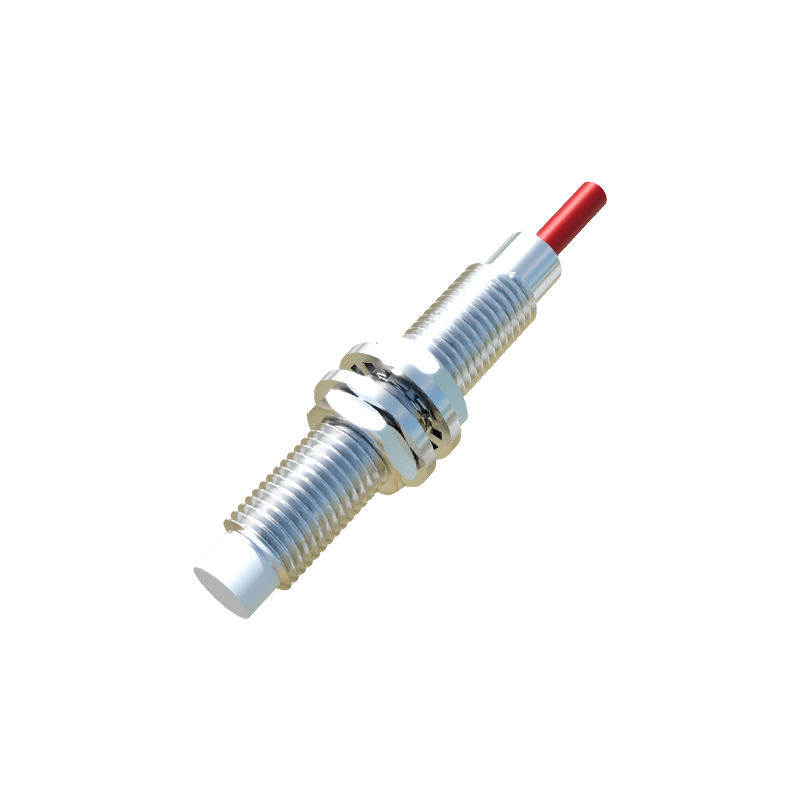
Looking forward, the role of proximity sensing is only expanding. In the burgeoning Internet of Things (IoT), these sensors provide the essential context of "presence." Smart lights that turn on as you enter a room, touchless faucets and soap dispensers in public restrooms, and interactive digital signage that activates when a customer approaches—all are powered by proximity detection. They create intuitive, hygienic, and energy-efficient environments.
Several key technologies dominate the landscape. Inductive Sensors are robust, contactless switches ideal for metallic objects in harsh industrial conditions. Capacitive Sensors are versatile, capable of sensing almost any material and are often used for liquid detection and touch-sensitive interfaces. Ultrasonic Sensors measure distance by calculating the time-of-flight of sound waves, excellent for parking aids and level measurement. Photoelectric Sensors use light beams (usually infrared) and are effective over longer ranges for object detection and counting. Finally, Magnetic Sensors (like Hall-effect sensors) detect permanent magnets, commonly found in door/window security alarms and speed sensing.
Selecting the right sensor involves a careful balance of factors. The nature of the target material is paramount—is it metal, plastic, liquid, or a human hand? The required sensing range can vary from a few millimeters to several meters. The operating environment presents challenges like temperature extremes, dust, moisture, or electrical noise that demand specific housing ratings (like IP67 for dust and water resistance). Furthermore, the output type needed—a simple digital on/off signal or an analog signal proportional to distance—dictates the sensor's integration into the larger control system.
Despite their robustness, these sensors are not infallible. Environmental interference is a common challenge. Strong electrical noise can disrupt inductive and capacitive sensors. Accumulated dirt or debris on the lens of an optical sensor can blind it. Ultrasonic sensors can be confused by highly absorbent surfaces or extreme temperature gradients that affect sound speed. Consistent false triggering often points to such environmental factors or incorrect installation, such as a sensor mounted too close to a vibrating metal surface.
The journey of the proximity sensor is a testament to the miniaturization and intelligence of electronics. From bulky, single-purpose industrial switches, they have become tiny, smart, and integrated modules. Modern sensors often include built-in microprocessors for signal conditioning, self-diagnostics, and adjustable sensitivity, communicating via standard industrial networks or simple I/O links.
In conclusion, proximity sensors are the invisible facilitators of a more responsive, efficient, and safe world. They bridge the gap between the physical and the digital, allowing machines to perceive and react to their surroundings. As technology continues to evolve towards greater autonomy and interactivity, these un