In the world of industrial automation, machine safety, and smart devices, proximity sensors and proximity switches are fundamental components that often operate unseen. These devices are crucial for detecting the presence or absence of an object without any physical contact. While the terms are sometimes used interchangeably, understanding their nuances, working principles, and applications is key to selecting the right technology for a specific task.
At its core, a proximity sensor is a device that detects the presence of a nearby object. It does this by emitting an electromagnetic field or a beam of electromagnetic radiation, such as infrared light, and then looking for changes in the field or return signal. The key advantage is non-contact detection, which eliminates mechanical wear and tear, allows for high-speed operation, and works reliably in harsh environments where dirt, oil, or moisture might compromise physical switches.
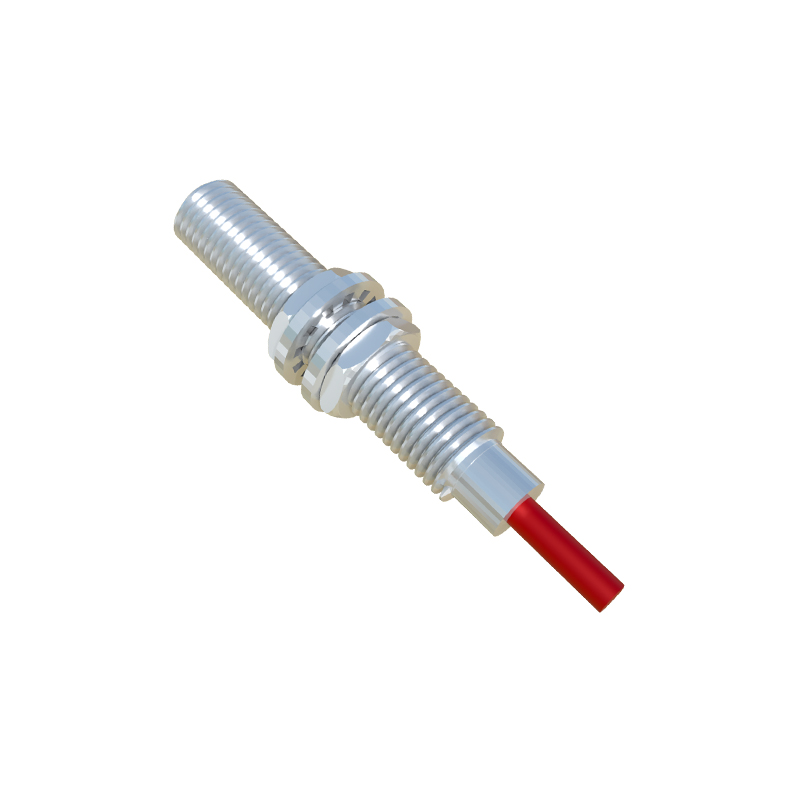
Proximity switches are a subset of proximity sensors with a specific function: they act as a binary switching device. When an object enters the sensor's detection range, it triggers a solid-state output signal to turn a circuit on or off. This output is typically used to control machinery, count objects, or provide positional feedback. Essentially, all proximity switches are sensors, but not all sensors are switches; some provide analog or more complex data outputs.
Several technologies power these devices, each with distinct characteristics. Inductive proximity sensors are among the most common. They generate an oscillating electromagnetic field. When a metallic object (ferrous or non-ferrous) enters this field, it induces eddy currents, causing a change in the oscillation amplitude. The sensor detects this change and triggers its output. They are ideal for detecting metals in manufacturing and automotive applications.
Capacitive proximity sensors, on the other hand, can detect both metallic and non-metallic materials like plastic, wood, glass, or liquids. They work by measuring changes in capacitance. The sensor forms one plate of a capacitor, with the target object acting as the other. As the object approaches, the capacitance increases, and once it reaches a threshold, the sensor activates. This makes them perfect for level detection in tanks or detecting filled containers on a conveyor belt.
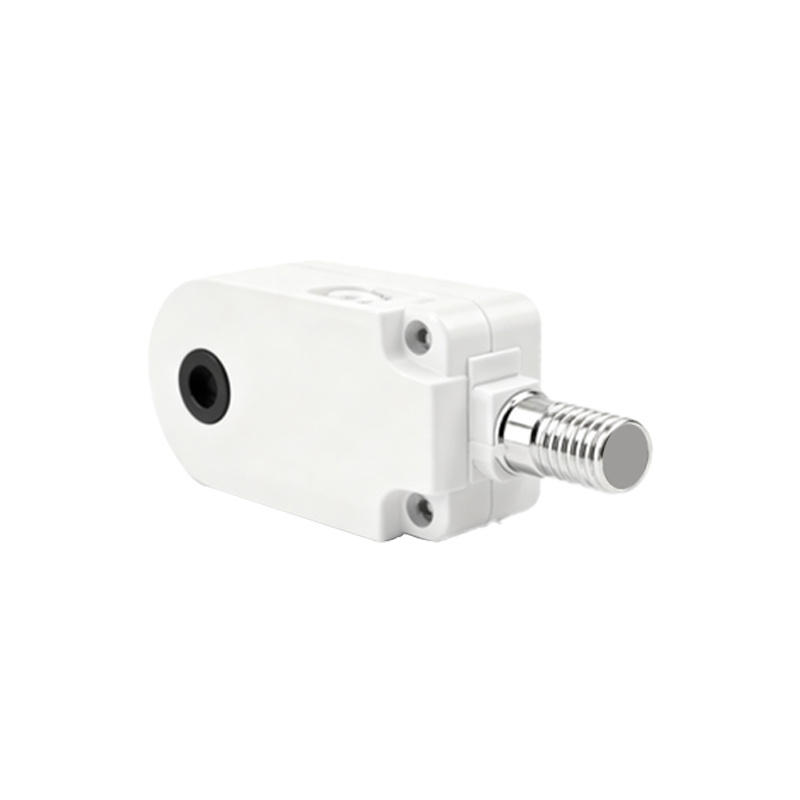
Ultrasonic sensors use sound waves beyond human hearing. They emit ultrasonic pulses and measure the time it takes for the echo to return. The time delay is proportional to the distance of the object. They are excellent for distance measurement, level sensing of bulk materials, and detecting objects regardless of color or material transparency.
Photoelectric sensors utilize light, usually infrared or laser. They consist of an emitter and a receiver. In the through-beam type, the object breaks the light beam between separate units. In the retro-reflective type, the object breaks the beam reflected from a reflector. In the diffuse type, the sensor detects light reflected directly from the object itself. They offer long sensing ranges and are great for detecting small or clear objects.
The applications are vast and critical. On factory assembly lines, inductive sensors count metal parts or verify the position of robotic arms. Capacitive sensors ensure bottles are filled before capping. Ultrasonic sensors manage the height of stacks in a warehouse. Photoelectric sensors are the eyes of automated packaging machines. In everyday life, they are found in smartphones (turning off the screen during a call), touchless faucets, and automatic doors.

Selecting the right sensor involves key parameters. The sensing range, or the maximum distance at which the sensor can reliably detect a standard target, is primary. The target material dictates the technology: inductive for metals, capacitive for diverse materials. Environmental factors like temperature, pressure, and potential chemical exposure demand sensors with appropriate ingress protection (IP) ratings. The output type (NPN/PNP, NO/NC) must be compatible with the control system, such as a PLC.
Installation and maintenance are relatively straightforward due to their non-contact nature. However, proper mounting is essential to avoid interference from adjacent metal (for inductive sensors) or ensure a clear optical path (for photoelectric sensors). Regular cleaning of the sensing face and checking for environmental changes that could affect performance are standard best practices.
In conclusion, proximity sensors and switches are the silent sentinels of modern automation. From ensuring precision in high-speed manufacturing to enabling conveniences in consumer electronics, their role is indispensable. By understanding the different technologies—inductive, capacitive, ultrasonic, and photoelectric—engineers and technicians can deploy these robust, reliable devices to create safer, more efficient, and intelligent systems. Their continued evolution will further integrate with the Internet of Things (IoT), providing not just detection but valuable data for predictive maintenance and process optimization.