In the vast landscape of industrial automation and precision measurement, sensors play an indispensable role. Among them, proximity sensors and specialized rice measurement sensors represent two critical technologies, often working in tandem to ensure efficiency, accuracy, and quality control in various sectors, particularly in agriculture and food processing. Understanding their individual functionalities and their potential synergy is key to optimizing modern automated systems.
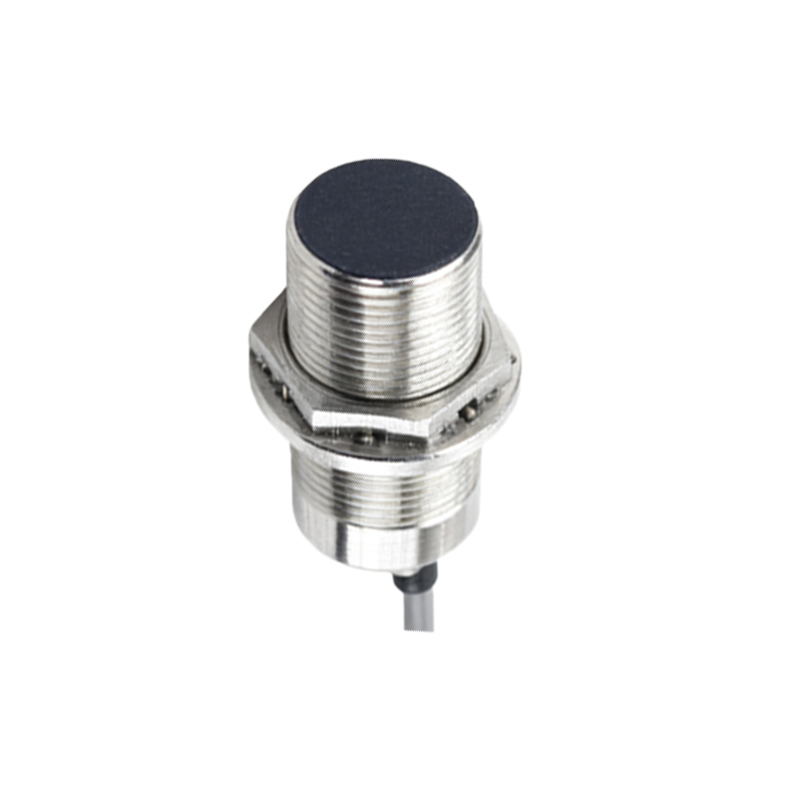
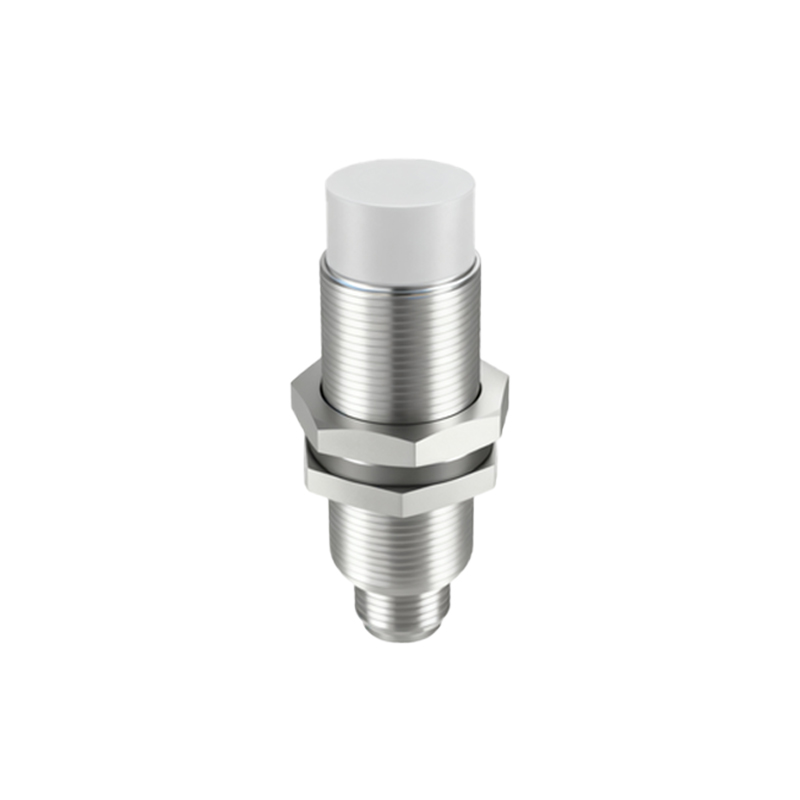
Proximity sensors are non-contact devices designed to detect the presence or absence of an object within a specific range without any physical contact. They operate on various principles, with inductive, capacitive, and photoelectric being the most common. Inductive proximity sensors generate an electromagnetic field to detect metallic objects, while capacitive sensors can detect both metallic and non-metallic materials by sensing changes in capacitance. Photoelectric sensors use a light beam, typically infrared, to detect objects. Their primary advantages include high reliability, long operational life, and the ability to function in harsh environments where dirt, oil, or moisture might be present. Common applications range from object counting on conveyor belts and position verification in machinery to safety systems that prevent machine operation when an operator is too close.
On the other hand, rice measurement sensors refer to a category of sensors used specifically for quantifying and assessing rice, a staple food for a significant portion of the global population. This is not a single sensor type but rather an application-specific system that may incorporate various sensing technologies to measure parameters such as volume, weight, moisture content, quality (e.g., broken grains), and even composition. For instance, optical sensors and cameras paired with image processing software can analyze grain size, color, and defects. Microwave or capacitive sensors can be employed for non-destructive moisture content measurement, which is crucial for storage and milling. Load cells are used for precise weight measurement. The goal is to achieve accurate, rapid, and consistent assessment throughout the supply chain—from harvest and drying to milling, packaging, and quality inspection.
The intersection of these two technologies is where innovation flourishes. A standard inductive proximity sensor might be used in a rice processing plant to detect the level of rice in a silo or hopper, triggering a feed mechanism when the level is low. More advanced integration involves using specialized proximity sensing principles as part of the rice measurement apparatus. For example, a highly sensitive capacitive proximity sensor array could be configured to estimate the volume or density of rice flowing through a chute by detecting the dielectric constant changes caused by the grain mass. Similarly, laser-based distance sensors (a form of photoelectric proximity sensing) can perform precise level measurement in storage containers.
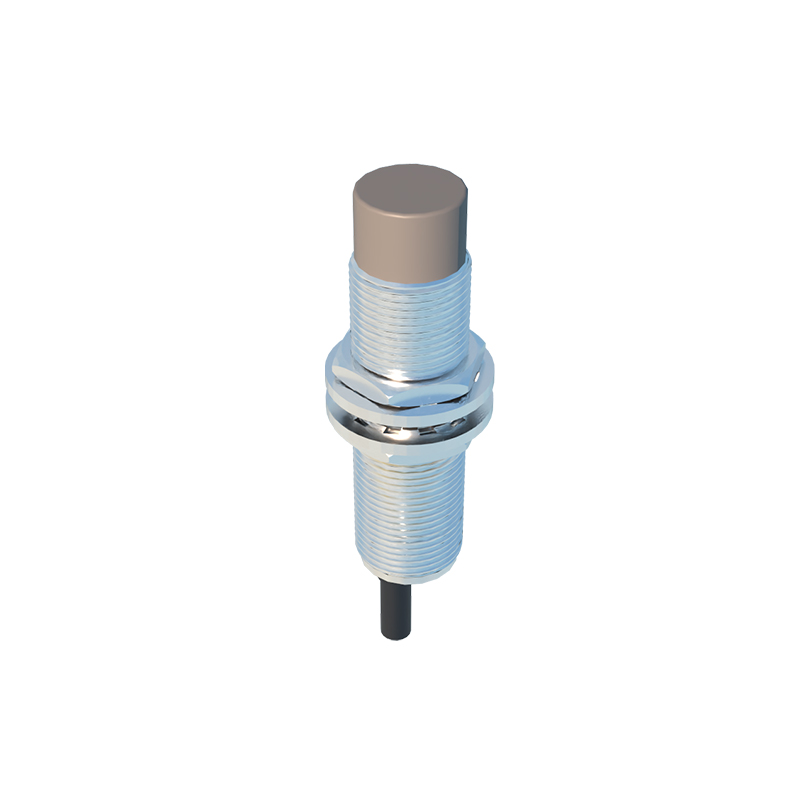
The technological demands for rice measurement are stringent. Accuracy directly impacts economic yield and product quality. Therefore, sensor systems must be calibrated for the specific characteristics of rice grains. Environmental factors like dust from husks and varying ambient temperatures pose significant challenges. Modern solutions often involve combining robust proximity sensors for mechanical control (like gate opening/closing or conveyor start/stop) with dedicated analytical sensors (like near-infrared spectrometers for quality analysis) into a cohesive unit. This integrated approach allows for fully automated lines where rice is transported, measured for quantity, analyzed for moisture and quality, and sorted—all with minimal human intervention.
From paddy fields to packaging plants, the journey of rice is increasingly monitored and managed by intelligent sensor networks. Proximity sensors ensure the smooth physical handling of bulk materials, preventing jams and controlling flow. Dedicated rice measurement sensors provide the critical data needed for quality assurance, inventory management, and transactional accuracy. Together, they form the backbone of smart agriculture and food processing infrastructure, contributing to reduced waste, improved efficiency, and consistent product standards.
Future developments are likely to see even tighter integration, perhaps with the advent of multi-parameter smart sensors that can perform proximity detection and qualitative analysis simultaneously using advanced signal processing and machine learning algorithms. The evolution of these sensors continues to push the boundaries of what's possible in automation, ensuring that industries can meet the growing global demand for food with greater precision and sustainability.