In today's fast-paced industrial and consumer electronics markets, small proximity sensors have become indispensable components. Their ability to detect the presence or absence of objects without physical contact makes them vital for automation, safety, and user interface applications. For businesses and sales professionals in this niche, understanding the product landscape and customer needs is key to driving successful small proximity sensor sales.
The market for these compact detection devices is diverse. Common types include inductive sensors for metallic objects, capacitive sensors for both metallic and non-metallic materials, and photoelectric sensors using light beams. Ultrasonic sensors are another category, measuring distance to objects. Each type has distinct operating principles, ranges, and ideal use cases. A successful sales strategy begins with a deep technical knowledge of these differences to match the right sensor to the client's specific problem.
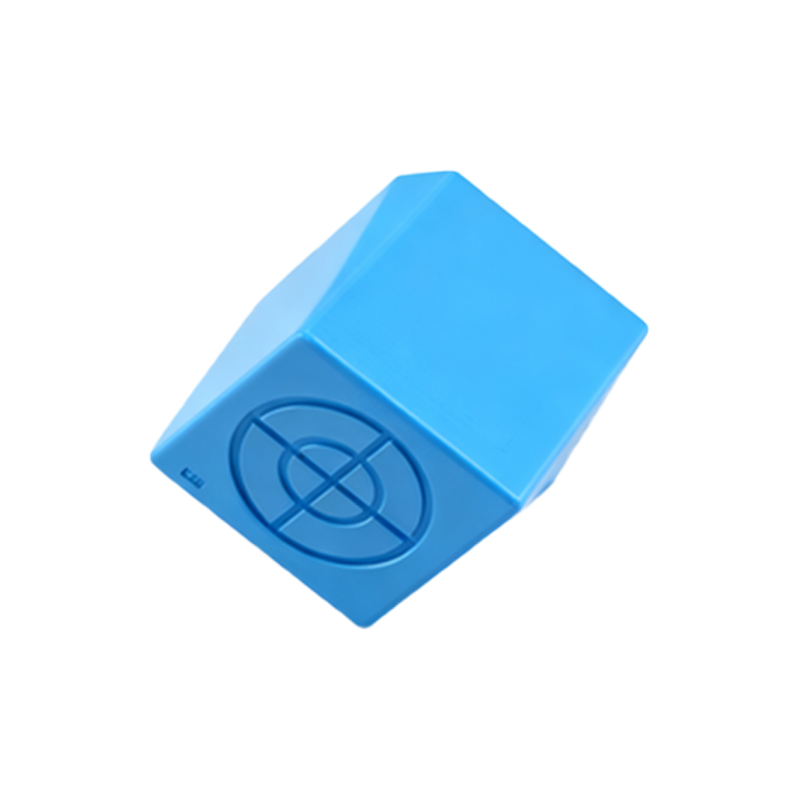
When engaging in small proximity sensor sales, identifying the target industries is crucial. Major buyers include the automotive sector, where sensors are used in assembly lines and vehicle systems; manufacturing for machine automation and robotic guidance; packaging industries for counting and positioning; and consumer electronics for touchless controls and battery-saving features in devices like smartphones and laptops. Emerging fields like IoT devices and smart home appliances also present growing opportunities.
Customers purchasing these sensors typically have clear priorities. Reliability is paramount, as sensor failure can halt an entire production line. Size constraints are often critical, especially in miniaturized electronics. Detection range and accuracy, response speed, environmental robustness (resistance to dust, moisture, or temperature extremes), and of course, cost, are all decisive factors. A sales approach that systematically addresses these concerns with data sheets, case studies, and product samples builds trust.
Effective selling goes beyond just presenting a catalog. It involves consultative selling. This means asking detailed questions about the application: What material is the target object? What is the required sensing distance? What are the environmental conditions? What output signal is needed (e.g., NPN, PNP, analog)? By diagnosing the need, you position yourself as a solution provider rather than just a vendor. Demonstrating how a specific sensor model solves a pain point, such as reducing downtime or improving product quality, adds tangible value to the proposal.
The competitive landscape in small proximity sensor sales is intense. Major global brands like Omron, Sick, Pepperl+Fuchs, and Balluff set high standards for quality and innovation. Competing effectively may involve highlighting competitive advantages such as faster delivery times, superior technical support, customization options, or more attractive pricing for comparable performance. Building strong relationships with distributors and providing excellent after-sales support can be significant differentiators.
Marketing these technical components requires a multi-channel approach. A well-optimized website with detailed product information, downloadable specifications, and application notes is essential for generating leads. Participating in trade shows for automation and electronics, publishing technical articles or whitepapers, and leveraging LinkedIn for B2B networking are proven tactics. Content that educates—explaining how to troubleshoot common installation issues or how to integrate a sensor with a PLC—establishes your brand as an authority.
Finally, navigating logistics and supply chain considerations is part of modern sales. Clients expect clear information on lead times, minimum order quantities, and packaging. In a global market, the ability to reliably supply products, especially during component shortages, can secure long-term contracts. Transparency and proactive communication about inventory status build lasting partnerships.
In conclusion, excelling in small proximity sensor sales demands a blend of technical expertise, market insight, and a customer-centric approach. By thoroughly understanding the technology, applications, and customer challenges, sales professionals can provide exceptional value, foster loyalty, and grow their business in this essential and expanding field.