Proximity sensors are essential components in modern industrial automation, robotics, and safety systems, with their export market expanding rapidly due to global demand for smart manufacturing and IoT integration. Understanding the classification of these sensors is crucial for exporters, engineers, and procurement specialists to ensure compatibility, compliance, and optimal performance in international applications. This article provides a comprehensive overview of proximity sensor classifications based on technology, output type, sensing range, and environmental protection, tailored for export-oriented considerations.
The primary classification of proximity sensors is based on their underlying detection technology. Inductive proximity sensors are widely used for detecting metallic objects without physical contact. They generate an electromagnetic field and detect changes caused by conductive materials, making them ideal for manufacturing environments involving metals. Capacitive proximity sensors, on the other hand, can detect both metallic and non-metallic materials, including liquids and granular substances, by measuring changes in capacitance. This versatility makes them suitable for food processing, chemical industries, and packaging lines. Ultrasonic proximity sensors utilize sound waves to detect objects, regardless of material composition, and are effective in challenging environments with dust, moisture, or varying temperatures. Optical proximity sensors, including infrared and laser types, rely on light beams to sense objects and are preferred for high-precision applications like assembly automation and robotics. Magnetic proximity sensors use reed switches or Hall effect components to detect magnetic fields, commonly applied in automotive and security systems.
Another critical classification criterion is the output type, which influences integration with control systems. Digital output sensors provide simple on/off signals and are compatible with programmable logic controllers (PLCs) and microcontrollers, forming the backbone of binary control systems. Analog output sensors deliver continuous signals proportional to the sensing distance, enabling precise monitoring and adjustment in processes such as positioning and level measurement. IO-Link and other smart sensor variants offer digital communication capabilities, allowing for parameter configuration, diagnostics, and data exchange, which align with Industry 4.0 requirements for export to technologically advanced regions.
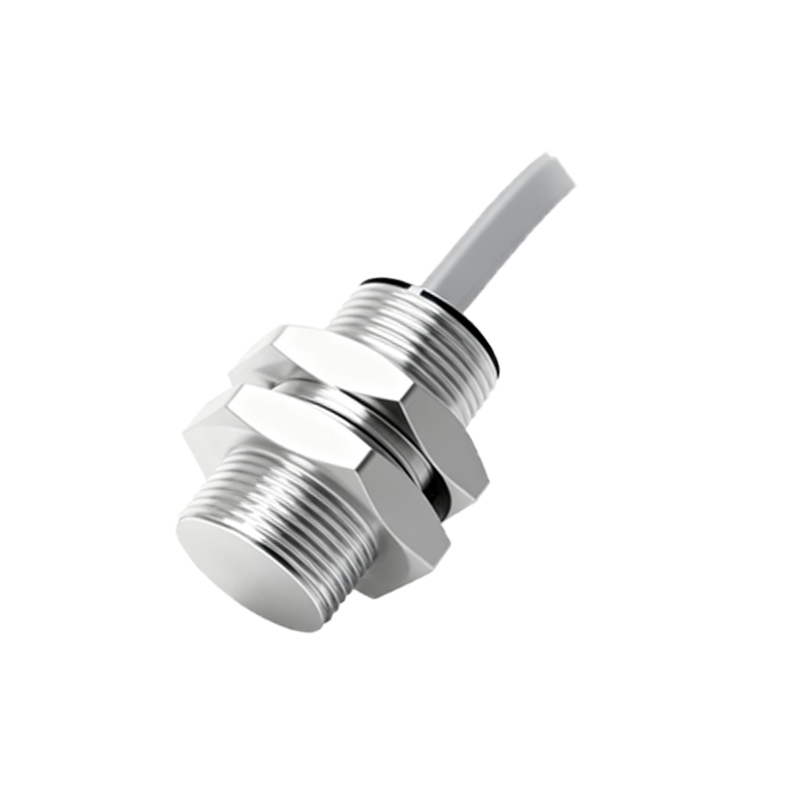
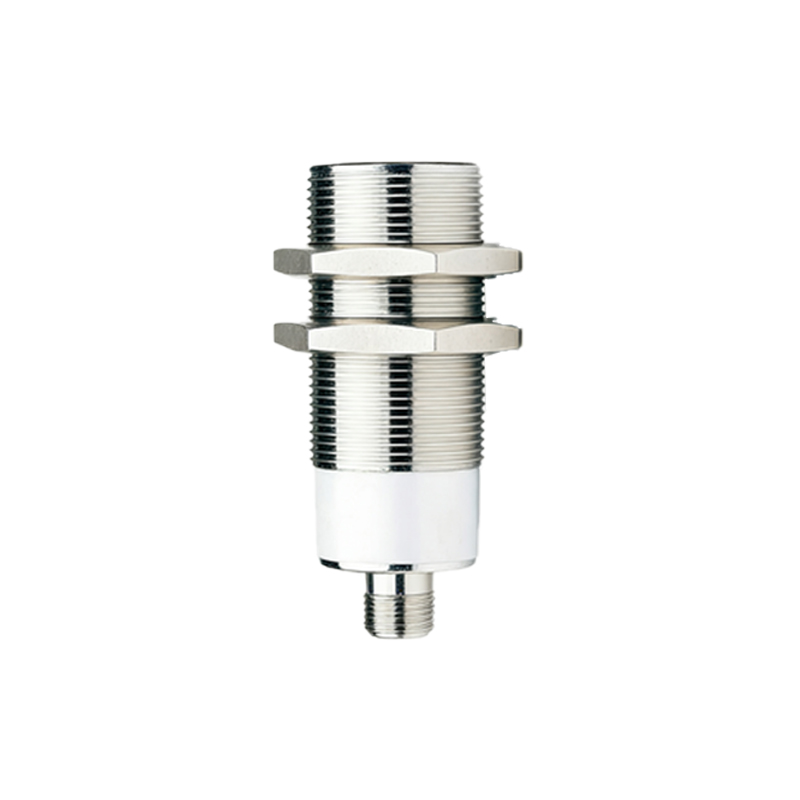
Sensing range and form factor are also key considerations. Standard-range sensors (up to 50 mm) suffice for most industrial tasks, while long-range sensors (exceeding 100 mm) cater to specialized applications like material handling and large machinery. Miniature sensors are designed for space-constrained installations, whereas heavy-duty models withstand harsh conditions. For export purposes, compliance with international standards like IEC 60947-5-2 for performance and safety is mandatory. Additionally, environmental protection ratings, such as IP67 (dust and water resistance) or NEMA ratings, ensure reliability in diverse climates and settings, from humid tropical regions to cold industrial zones.
In export markets, regional preferences and regulations further influence sensor selection. European markets often emphasize CE marking and adherence to EMC directives, while North American applications may require UL or CSA certifications. Asian manufacturing hubs prioritize cost-effectiveness and durability. Exporters must also consider supply chain logistics, including packaging, documentation, and after-sales support, to maintain competitiveness. Emerging trends, such as the integration of IIoT connectivity and energy-efficient designs, are shaping future demand, making it imperative for stakeholders to stay updated on technological advancements and market dynamics.
In summary, proximity sensor classification for export involves a multifaceted approach encompassing technology, output, range, and durability. By aligning product specifications with global standards and regional needs, exporters can enhance market penetration and customer satisfaction, driving growth in the ever-evolving industrial automation sector.