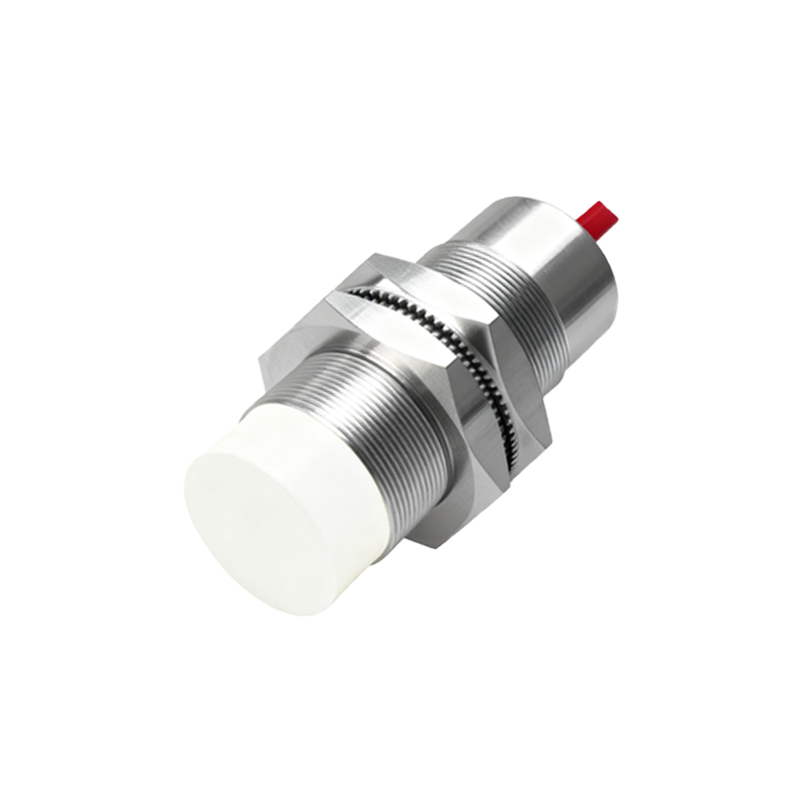
In the ever-evolving landscape of technology, the demand for intuitive, responsive, and easy-to-integrate hardware solutions is at an all-time high. Among these, the Proximity Sensor USB stands out as a remarkable innovation, bridging the gap between sophisticated sensing capabilities and user-friendly connectivity. This device represents a significant leap forward, transforming complex proximity detection into a simple plug-and-play experience accessible to hobbyists, developers, and professionals alike.
At its core, a proximity sensor is designed to detect the presence or absence of nearby objects without any physical contact. Traditional sensors often require intricate wiring, external power supplies, and a deep understanding of signal processing and microcontroller programming. This complexity can be a significant barrier to entry. The Proximity Sensor USB elegantly solves this problem by integrating the sensor, signal conditioning circuitry, and a USB interface into a single, compact unit. Simply connect it to a standard USB port on a computer, laptop, or even a compatible single-board computer, and it is ready to provide real-time data. This seamless integration eliminates the need for additional components like analog-to-digital converters or complex driver installations in most cases, making it an exceptionally convenient tool.
The applications for USB-based proximity sensors are vast and continually expanding. In the realm of computer peripherals and human-computer interaction, they are used to create smart monitors or laptops that can detect a user's presence, automatically waking the device from sleep mode or locking it when the user steps away, thereby enhancing both convenience and security. For digital signage and interactive kiosks, these sensors can detect when a person is nearby, triggering content to play or an interface to become active, creating engaging and energy-efficient displays. Makers and robotics enthusiasts find them invaluable for projects ranging from simple object detection for automated systems to creating gesture-based controls. In industrial and laboratory settings, they offer a quick-deployment solution for prototyping, testing, or monitoring applications where permanent installation is not feasible.
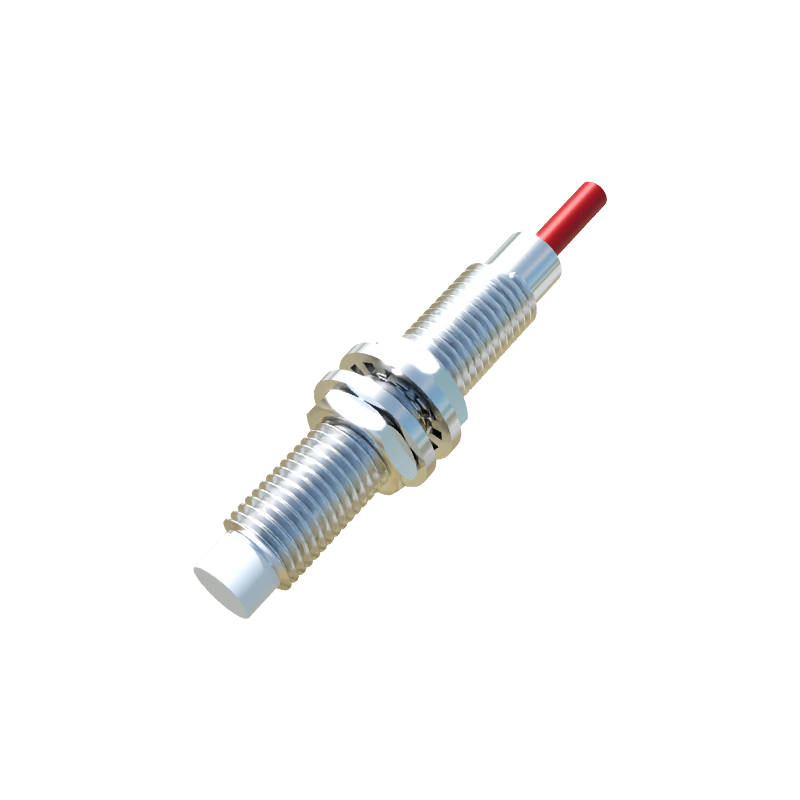
When selecting a Proximity Sensor USB, several key specifications should be considered to ensure it meets your project's needs. The sensing range is paramount, with options typically varying from a few centimeters up to several meters, depending on the underlying technology—common types include infrared (IR), ultrasonic, and capacitive sensors. Output type is another critical factor; most units provide a simple digital signal (object detected/not detected), while others might offer analog voltage or even serial data (like UART over USB) for distance measurement. The form factor and build quality are also important, especially for applications in varied environments. Furthermore, compatibility is a major advantage of the USB standard. Most devices are recognized as Human Interface Devices (HID) or virtual COM ports, ensuring they work effortlessly with major operating systems like Windows, macOS, and Linux. Development is streamlined through common programming languages; for instance, Python developers can use libraries like PySerial or specific SDKs provided by manufacturers to read sensor data with just a few lines of code.
The benefits of opting for a USB-connected sensor are compelling. The primary advantage is unparalleled ease of use and rapid deployment. There is no need to worry about voltage levels, pull-up resistors, or intricate circuit design. This plug-and-play nature drastically reduces development time and lowers the technical barrier, allowing users to focus on the application logic rather than the hardware intricacies. It also offers excellent portability; the same sensor can be quickly moved and tested between different computers or setups. From a power perspective, it draws its energy directly from the USB bus, eliminating the clutter and expense of separate power adapters.
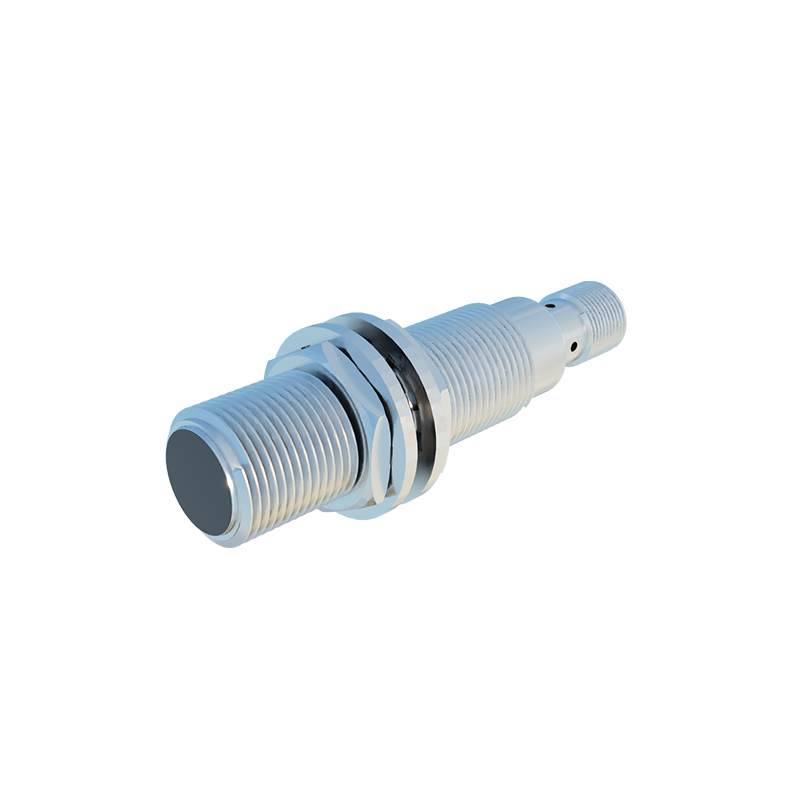
Looking ahead, the future of Proximity Sensor USB technology is intertwined with broader trends in IoT (Internet of Things) and smart automation. We can anticipate sensors with even greater accuracy, longer ranges, and lower power consumption. Integration with wireless technologies like Bluetooth or Wi-Fi, while still maintaining a USB interface for configuration and charging, could offer even more flexibility. Furthermore, the emergence of smarter sensors with onboard processing capabilities, capable of sending pre-processed data or alerts, will open new doors for advanced applications in security, analytics, and ambient intelligence.
In conclusion, the Proximity Sensor USB is more than just a sensor with a convenient connector. It is a testament to the power of simplification in technology. By packaging reliable proximity sensing into an accessible, standardized, and powerful format, it empowers a wide audience to innovate and implement detection-based solutions with minimal friction. Whether for enhancing user experience, building interactive projects, or solving practical problems, this device proves that advanced functionality and supreme ease of use can indeed go hand in hand.