Magnetic proximity sensors are fundamental components in modern industrial automation and electronic systems. They operate on a simple yet effective principle: detecting the presence or absence of a magnetic field, typically from a permanent magnet. Unlike other sensor types that require physical contact, these devices offer non-contact detection, leading to enhanced reliability, longevity, and maintenance-free operation in demanding environments.
The core working mechanism involves a reed switch or a solid-state Hall-effect element. A traditional reed switch consists of two ferromagnetic, flexible metal reeds sealed within a glass tube filled with inert gas. When an external magnetic field from a target magnet approaches, the reeds become magnetized, attract each other, and make contact, closing the electrical circuit. When the magnet moves away, the reeds' spring force separates them, opening the circuit. Hall-effect sensors, a more modern and prevalent technology, utilize a semiconductor chip. When exposed to a magnetic field, the Lorentz force acts on moving charge carriers within the chip, generating a small but measurable voltage difference known as the Hall voltage. This voltage is then processed by integrated electronics to produce a clean, digital output signal.
This non-contact nature grants magnetic sensors significant advantages. They are immune to contaminants like dust, oil, and moisture, making them ideal for harsh factory floors, agricultural machinery, and outdoor applications. Since there is no mechanical wear from physical contact, they boast an exceptionally long operational life, often rated for millions of cycles. Their response is fast and consistent, enabling precise position detection in high-speed machinery. Common configurations include tubular sensors for detecting the position of cylinder pistons, and rectangular or ring-shaped sensors for detecting gear teeth or rotary motion.
The applications of magnetic proximity sensors are vast and varied. In factory automation, they are ubiquitous for end-position detection in pneumatic and hydraulic cylinders, confirming whether a robotic arm is fully extended or retracted. They serve as limit switches on conveyor systems, counting objects, and monitoring rotational speed by detecting passing gear teeth or magnetized points on a shaft. In the automotive industry, they are critical for detecting wheel speed for anti-lock braking systems (ABS), sensing crankshaft and camshaft position for engine management, and confirming door, hood, and trunk closure. Beyond industry, they are found in home appliances like washing machines (detecting lid position and drum speed), security systems (detecting window or door opening), and even in consumer electronics as simple as laptop lid-open detection switches.
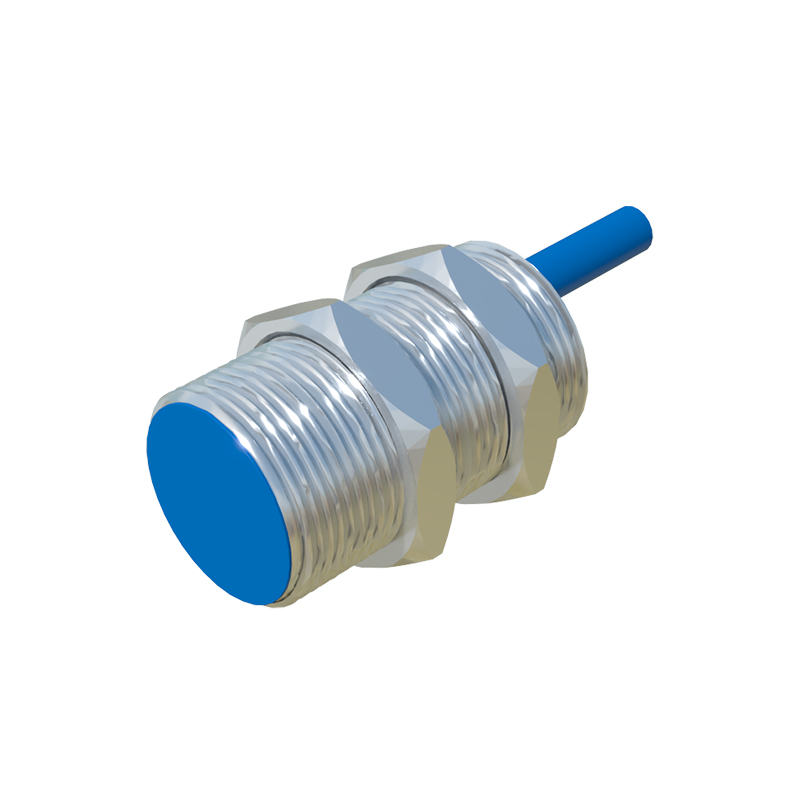
Selecting the right magnetic proximity sensor requires careful consideration of several key parameters. First, define the sensing distance or switching distance required. This is the maximum distance at which the sensor can reliably detect the target magnet. It depends on the magnet's strength, size, and orientation. Second, the output type is crucial. Common outputs include DC NPN (sinking) or PNP (sourcing) transistors for programmable logic controller (PLC) interfaces, and two-wire AC/DC models that function like a traditional switch. Third, the electrical specifications such as operating voltage, current rating, and whether the output is normally open (NO) or normally closed (NC) must match the control circuit. Fourth, the physical housing material—typically nickel-plated brass, stainless steel, or plastic—must be chosen to withstand the environmental conditions, including temperature extremes, chemical exposure, and potential mechanical impacts. For applications involving strong external magnetic fields or ferrous metal chips, models with built-in protection or shielding are necessary to prevent false triggering.
Installation and alignment are critical for optimal performance. The sensor and its target magnet must be positioned correctly. The sensing distance is usually specified for a head-on approach; lateral or skewed approaches can significantly reduce the effective range. The use of a bracket or adjustable mounting hardware is often recommended to fine-tune the position. For cylinder applications, sensors are often pre-installed in an aluminum track that mounts directly onto the cylinder body, ensuring perfect alignment with the internal piston magnet.
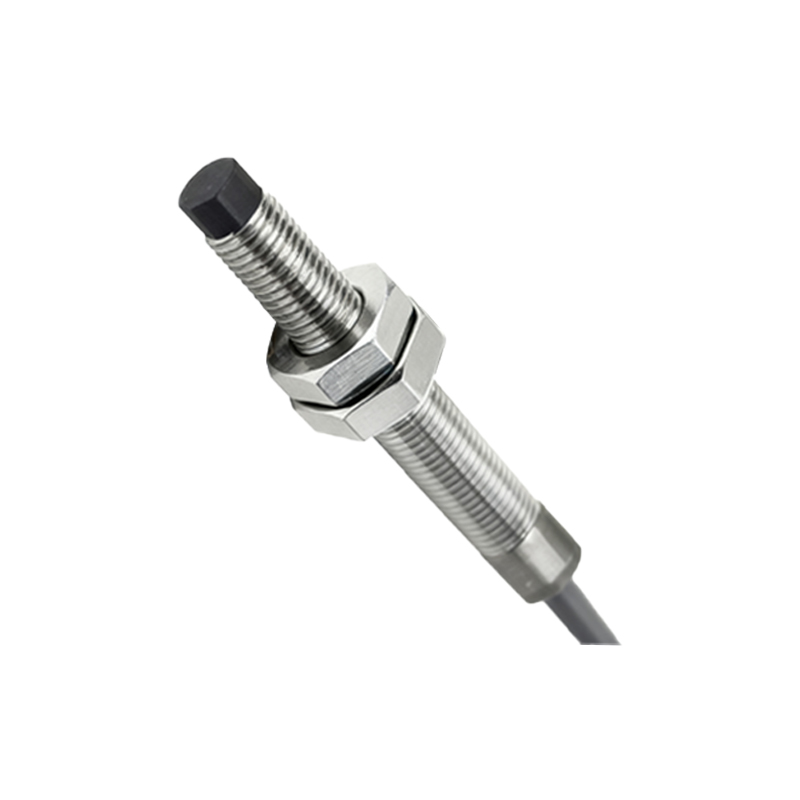
In summary, magnetic proximity sensors provide a robust, reliable, and cost-effective solution for non-contact position and motion detection. Their simplicity, durability, and versatility ensure they remain a cornerstone technology across countless industries, from heavy manufacturing to precision electronics. Understanding their operating principles, key features, and application requirements is essential for engineers and technicians to implement effective and long-lasting sensing solutions.