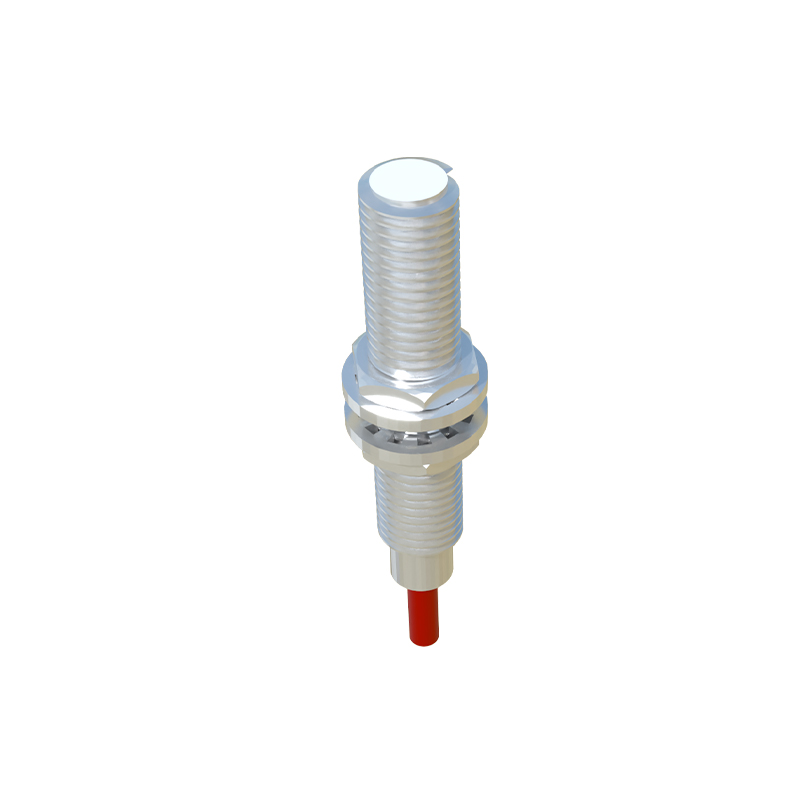
Magnetic proximity switch sensors are essential components in modern automation and control systems. These devices detect the presence or absence of a magnetic field, typically generated by a permanent magnet, and convert this detection into an electrical signal. Unlike mechanical switches, magnetic proximity sensors operate without physical contact, making them highly reliable and durable in demanding environments.
The working principle of a magnetic proximity switch sensor is based on the Hall effect or reed switch technology. Hall effect sensors generate a voltage when exposed to a magnetic field, while reed switches consist of two ferromagnetic blades sealed in a glass tube that close or open under magnetic influence. Both types offer non-contact sensing, which eliminates wear and tear, reduces maintenance needs, and ensures long operational life.
One of the key advantages of magnetic proximity sensors is their immunity to environmental factors such as dust, moisture, and oil. This makes them ideal for use in industrial settings like manufacturing lines, automotive assembly, and material handling systems. For instance, in conveyor belt systems, these sensors can detect the position of items or control the movement of machinery without direct interaction, enhancing efficiency and safety.
In automotive applications, magnetic proximity switches are commonly used for seat belt detection, gear position sensing, and brake pedal monitoring. Their ability to function reliably in harsh conditions, including extreme temperatures and vibrations, ensures consistent performance. Additionally, these sensors are employed in consumer electronics, such as laptops and smartphones, to detect lid closure or flip cover status.
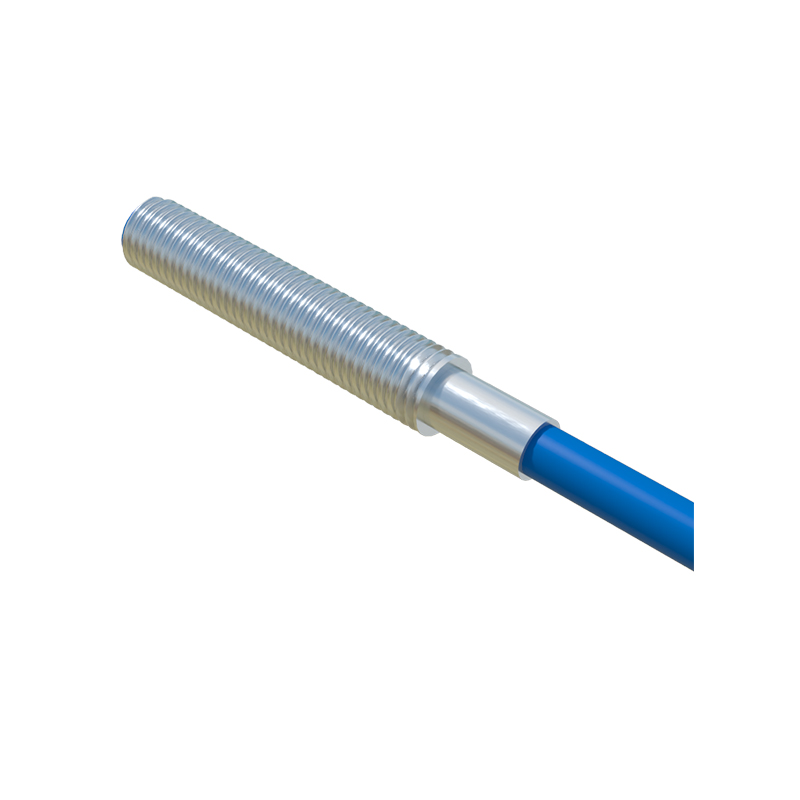
Installation and integration of magnetic proximity sensors are straightforward due to their compact design and simple wiring. Most models feature LED indicators for easy diagnostics and come in various housing materials, such as stainless steel or plastic, to suit different environmental requirements. When selecting a sensor, factors like sensing distance, output type (e.g., NPN or PNP), and voltage range must be considered to match specific application needs.
Despite their robustness, magnetic proximity sensors have limitations. They require a magnet to trigger detection, which may add complexity to system design. Interference from strong external magnetic fields can also affect accuracy, necessitating proper shielding or placement. However, advancements in technology have led to improved sensitivity and noise resistance, broadening their applicability.
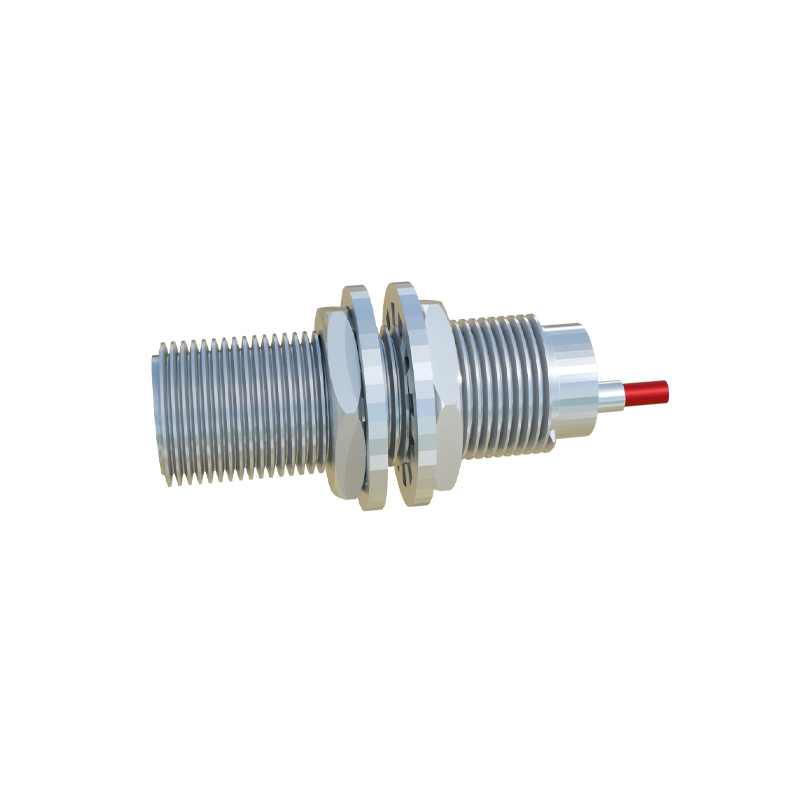
In summary, magnetic proximity switch sensors play a critical role in automation by providing non-contact, reliable detection solutions. Their versatility across industries, from heavy machinery to everyday gadgets, underscores their importance in enhancing operational efficiency and safety. As industries continue to embrace smart manufacturing and IoT integration, the demand for these sensors is expected to grow, driven by their proven performance and adaptability.