Proximity sensors are ubiquitous in modern technology, silently enabling functionalities in smartphones, industrial automation, vehicles, and countless other applications. At their core, these non-contact devices detect the presence or absence of an object within a specific range without physical touch. Understanding their hardware composition is key to appreciating their operation and diverse capabilities. The fundamental architecture of a typical proximity sensor consists of several key hardware components working in concert.
The primary component is the Sensing Element or Emitter. This is the part that generates the signal used for detection. The technology employed here defines the sensor's type and characteristics. In inductive proximity sensors, the sensing element is a coil of wire wound around a ferrite core, which generates an oscillating electromagnetic field. For capacitive sensors, it consists of one or two conductive plates that form an electrostatic field. Photoelectric sensors utilize a light-emitting diode (LED) or, in some cases, a laser diode to produce a beam of light, often infrared to be invisible to the human eye. Ultrasonic sensors use a piezoelectric transducer to emit high-frequency sound waves.
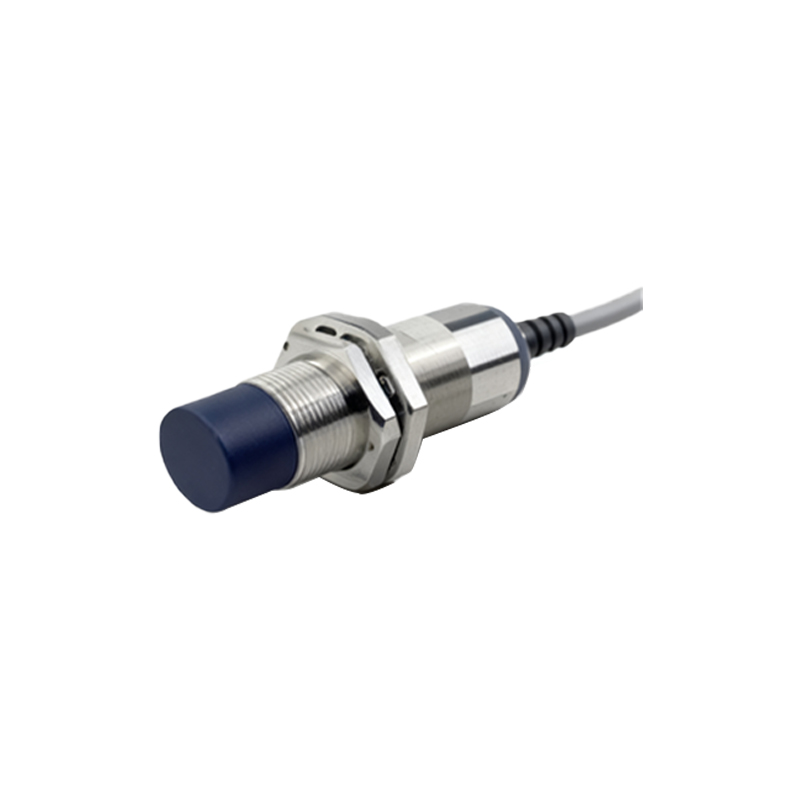
Working in tandem with the emitter is the Detector or Receiver. This component captures the signal's response. In an inductive sensor, the detector monitors changes in the oscillation amplitude of the coil's electromagnetic field caused by a metallic target. A capacitive sensor's detector measures changes in the capacitance of the electrostatic field when an object of any material enters it. Photoelectric sensors have a phototransistor or photodiode that detects the presence or intensity of the light beam, which may be reflected or blocked. Ultrasonic sensors use a second piezoelectric element (or sometimes the same one in pulse-echo mode) to receive the reflected sound wave.
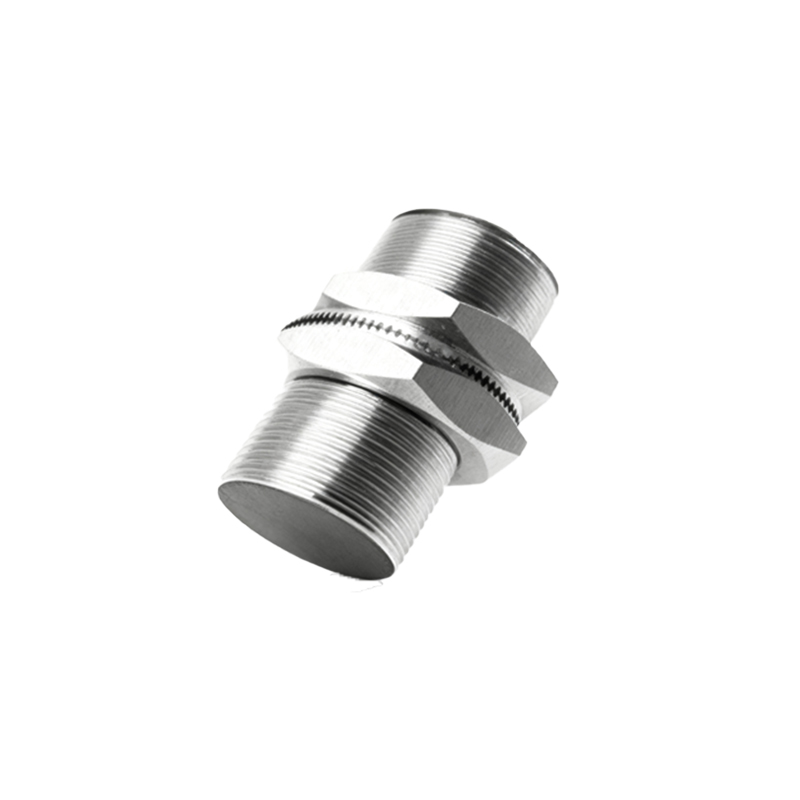
The Oscillator Circuit is the engine for many proximity sensor types, particularly inductive and capacitive ones. It generates a high-frequency oscillating signal that powers the sensing element (the coil or plates). When a target object interacts with the generated field, it causes a measurable change in the oscillation—typically a drop in amplitude or a change in frequency. This circuit's stability is crucial for consistent sensing performance and noise immunity.
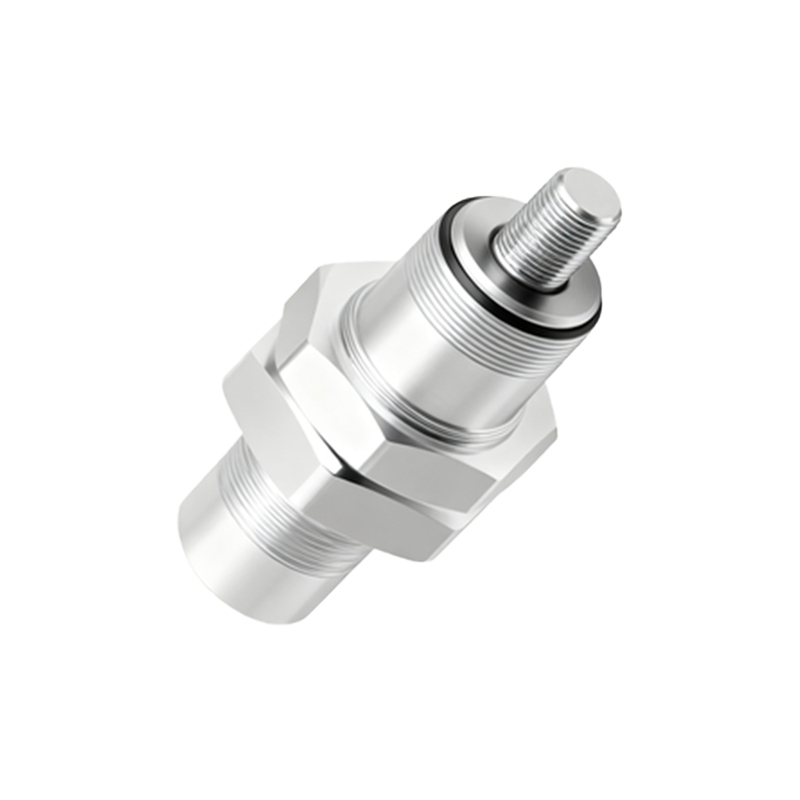
The Signal Conditioning and Processing Unit is the brain of the sensor. The raw analog signal from the detector is weak and noisy. This unit amplifies the signal, filters out electrical noise and interference, and converts it into a clean, usable form. It compares the processed signal against a pre-set threshold or reference level. This stage determines the "switch point"—the exact moment the sensor decides an object is "present."
Following processing, the Output Stage acts as the sensor's interface to the outside world. It converts the internal decision into a practical electrical signal that a controller (like a PLC, microcontroller, or simple circuit) can understand. Common output types include:
Digital (Switch) Output: The most common type, providing a simple ON/OFF signal. This is often a transistor (NPN or PNP) that switches a load connected to an external power supply.
Analog Output: Provides a continuous signal (e.g., 0-10V, 4-20mA) proportional to the distance to the target, useful for measuring position, not just presence.
IO-Link: A modern, digital point-to-point communication interface that provides detailed sensor data, parameterization, and diagnostics beyond a simple switch signal.
Encasing and protecting all these delicate electronic components is the Housing or Body. This is typically made of robust materials like nickel-plated brass, stainless steel, or industrial-grade plastics (PBT). The housing provides mechanical strength, environmental protection (against dust, water, oils, and chemicals as per IP or NEMA ratings), and often defines the sensing face. It also includes mounting features (threads, brackets) and terminals or connectors for wiring.
Finally, an often-overlooked but critical component is the Indicator LED. This visual feedback device, usually located on the sensor body, lights up when the sensor detects an object and/or when it is powered. It is an invaluable tool for quick installation, troubleshooting, and verifying the sensor's operational status on the factory floor.
In summary, the hardware of a proximity sensor—from its core emitter/detector pair, through the oscillator and sophisticated signal processing circuitry, to its rugged housing and output stage—forms a highly integrated system. Each component plays a vital role in converting a physical phenomenon (the approach of an object) into a reliable, actionable electronic signal that drives automation and innovation across all industries.