In an era where air quality has become a global concern, the ability to accurately measure particulate matter (PM) is more critical than ever. Among the various technologies available, laser-based PM sensors have emerged as a leading solution for both environmental monitoring and personal health awareness. These sophisticated devices offer a blend of precision, reliability, and accessibility that was once reserved for expensive laboratory equipment.
At its core, a laser PM sensor operates on the principle of light scattering, specifically a technique known as laser diffraction or laser scattering. The sensor contains a small, focused laser diode that emits a coherent beam of light into a precisely engineered sampling chamber. As air is drawn through this chamber, suspended particles pass through the laser beam. When a particle intersects the path of the light, it scatters the photons in various directions. A photodetector, positioned at a specific angle (often 90 degrees), captures this scattered light. The fundamental relationship is straightforward: the intensity of the scattered light detected is proportional to the size and concentration of the particles. By analyzing the light scattering patterns and pulse signals, the sensor's onboard microprocessor can calculate the number of particles and categorize them into size bins, most commonly PM1.0, PM2.5, and PM10.
The advantages of this laser-based method are significant. Compared to older, gravimetric methods which require collecting particles on a filter for later weighing—a process that is slow and not real-time—laser sensors provide instantaneous readings. They are also far superior to simple infrared-based sensors, which struggle with accuracy, especially for smaller particles, and can be influenced by humidity and other environmental factors. Laser sensors are minimally affected by these interferences due to the coherent nature of laser light and advanced algorithmic compensation. This allows for the detection of ultrafine particles down to 0.3 microns and even smaller with some high-end models, which is crucial as these finer particles pose the greatest health risk by penetrating deep into the lungs and bloodstream.

The applications for laser PM sensors are vast and growing. They are the backbone of government-run ambient air quality monitoring stations, providing the data for public health advisories and policy decisions. On a consumer level, they have been miniaturized and integrated into affordable indoor air quality monitors, smart home systems, and even wearable devices. This democratization of data empowers individuals to understand their personal exposure and take actions like using air purifiers or adjusting ventilation. Furthermore, these sensors are indispensable in industrial settings for monitoring workplace safety, in HVAC systems for optimizing filtration, and in cleanrooms for semiconductor manufacturing where even a single particle can cause defects.
When selecting a laser PM sensor, several key specifications should be considered. Accuracy and resolution are paramount; look for sensors that specify their performance against standardized reference methods. Range is another factor, indicating the minimum and maximum concentrations the sensor can measure effectively. Response time determines how quickly the sensor reflects changes in air quality. Importantly, the lifespan of the laser diode is a critical durability metric, with quality sensors offering tens of thousands of hours of operation. Finally, the output interface (e.g., UART, I2C, PWM) dictates how easily the sensor can be integrated into a larger electronic system.
Despite their sophistication, users must understand their limitations. All particle sensors, including laser-based ones, require periodic maintenance. Dust can accumulate on the laser window and photodetector over time, leading to signal drift and inaccurate readings. Many modern designs incorporate features to mitigate this, such as self-cleaning mechanisms or fan-assisted airflow paths. Calibration is also a consideration. While factory-calibrated, sensors can benefit from occasional recalibration against a known standard, especially for scientific-grade applications. It's also vital to remember that these sensors count and size particles but do not identify their chemical composition. A particle of salt, soot, or pollen may register similarly in size but have vastly different health implications.
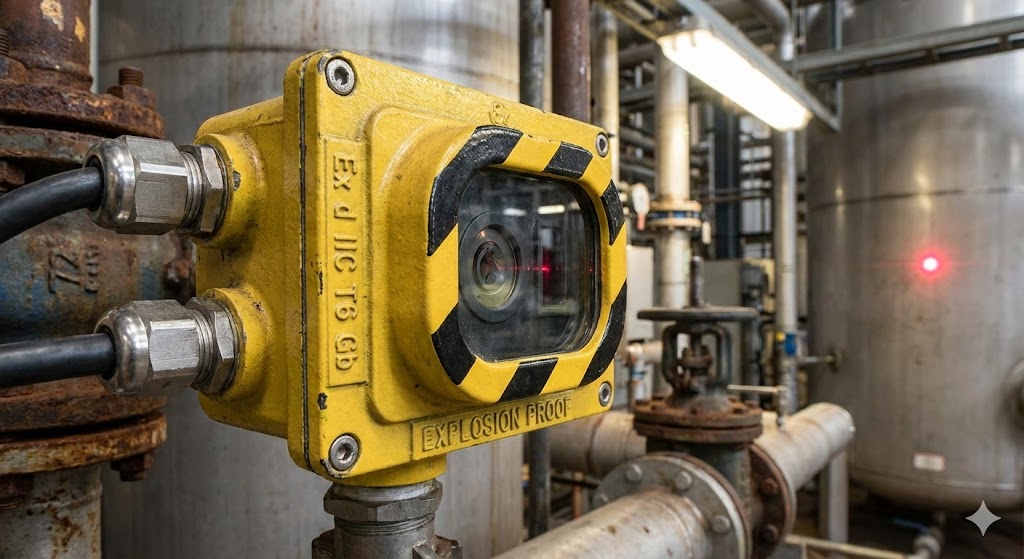
The future of laser PM sensing is bright, driven by advancements in laser technology, machine learning, and the Internet of Things (IoT). Researchers are working on sensors that can provide more detailed size distributions and even infer particle type based on advanced scattering analysis. Integration with other environmental sensors (for CO2, VOCs, temperature, humidity) into multi-parameter modules is becoming standard, offering a holistic view of air quality. As costs continue to fall and performance rises, these sensors will become even more ubiquitous, embedded in everything from vehicles and public transit to urban infrastructure, creating dense, real-time air quality networks.
In conclusion, laser PM sensors represent a remarkable fusion of physics, engineering, and data science. They translate the invisible threat of airborne particles into actionable, quantitative data. By providing a clear window into the microscopic world of our air, they play an indispensable role in safeguarding public health, ensuring industrial safety, and guiding both personal and policy decisions towards a cleaner, healthier environment. Their continued evolution promises even greater insights and accessibility in the years to come.
