In the world of industrial automation and electronic control, proximity sensor switches are indispensable components. These non-contact devices detect the presence or absence of an object within a specific range, triggering an output signal without any physical contact. The selection of the correct proximity sensor switch model is critical for ensuring system reliability, efficiency, and safety. This guide delves into the various types, their operating principles, and key selection criteria.
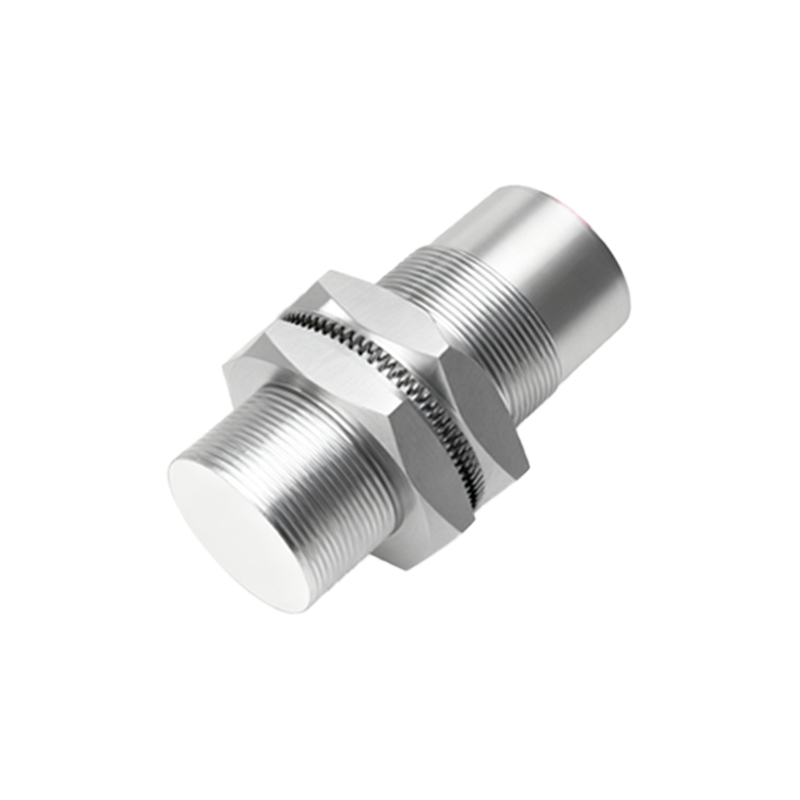
The fundamental principle behind most proximity switches is electromagnetic or capacitive sensing. Inductive proximity sensors, one of the most common types, generate an electromagnetic field. When a metallic object enters this field, it causes a change in the oscillation amplitude, which is detected by the sensor's circuit, prompting a switch in its output state. These models, such as the ubiquitous cylindrical shielded (flush-mountable) or unshielded (non-flush) types, are ideal for detecting metals like steel, aluminum, or copper. Common model series include designs with M8, M12, M18, or M30 threaded barrels, with sensing ranges varying from 1mm to 40mm depending on the size and target material.
Capacitive proximity sensor switches operate by generating an electrostatic field. They can detect both metallic and non-metallic materials, including liquids, powders, plastics, and wood. The sensor detects a change in capacitance when any object with a different dielectric constant than air enters its field. Models like the rectangular or cylindrical capacitive sensors are essential in packaging, level detection, and material handling industries. Their sensing range is typically shorter than inductive models and can be influenced by environmental factors like humidity.
Another major category is the ultrasonic proximity sensor. These models emit high-frequency sound waves and measure the time it takes for the echo to return. They are excellent for detecting objects of virtually any material, over longer distances, and are less affected by color, transparency, or dust. Common models include compact sensors for object detection and larger versions for precise distance measurement or level control in tanks.
Photoelectric sensors, while sometimes categorized separately, function as proximity switches. Through-beam models consist of a separate emitter and receiver, detecting an object that breaks the light beam. Retro-reflective models use a reflector, and diffuse (reflective) models detect light reflected directly from the target object itself. Newer models feature background suppression or fixed-field teaching for reliable operation in challenging conditions.
When selecting a model, several parameters are crucial. The sensing distance, or "rated operating distance," is specified for a standard target. The repeatability, or precision of detection, is vital for high-speed applications. The output type is also key: NPN (sinking) or PNP (sourcing) transistor outputs are standard for DC models, while AC models often use relay contacts. Many modern sensors offer IO-Link capability for digital communication and parameterization. Environmental ratings, indicated by IP (Ingress Protection) codes like IP67 or IP69K, ensure performance under dust, water washdown, or chemical exposure. The housing material, such as nickel-plated brass, stainless steel, or PBT plastic, must be chosen based on the application's mechanical stress and corrosive potential.
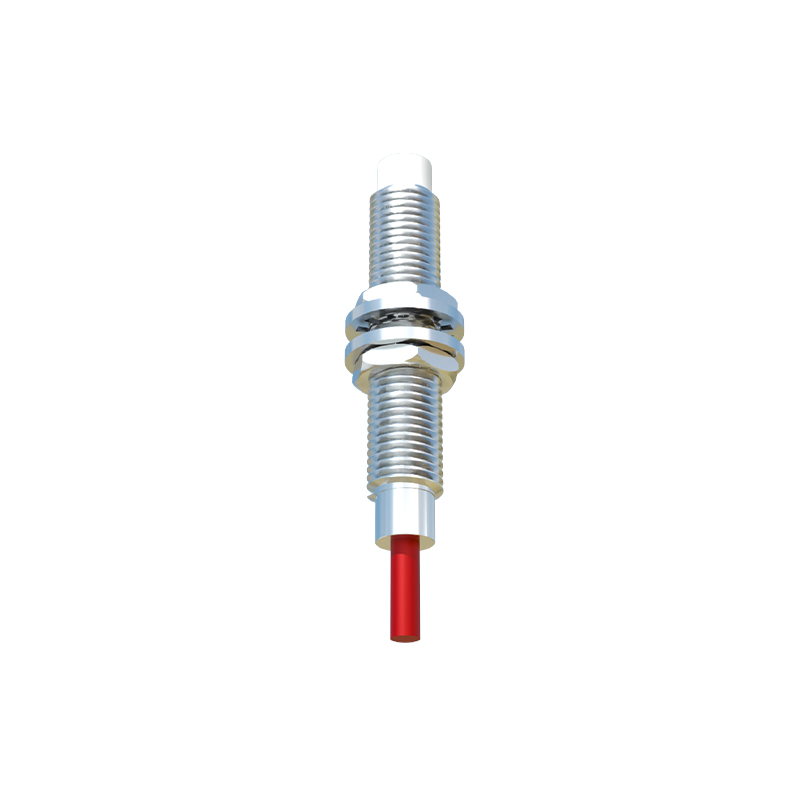
In practice, model selection is driven by the application. For example, in a metal stamping press, a rugged inductive sensor with a long sensing range and high switching frequency monitors part ejection. In a bottling plant, a capacitive sensor verifies liquid fill levels inside plastic bottles. On an automated assembly line, a small-factor inductive sensor confirms the presence of a tiny screw. Understanding the nuances of each model series—from the robust, long-range ultrasonic sensors to the precise, high-speed inductive variants—empowers engineers to build more robust and intelligent automated systems. Always consult the manufacturer's datasheet for specific technical specifications, electrical connections, and mounting instructions to ensure optimal performance and integration.