In the rapidly evolving landscape of industrial automation and smart technology, micro proximity sensors have emerged as critical components, enabling precision, safety, and efficiency at a miniature scale. These non-contact sensors detect the presence or absence of objects within a tiny range, often just a few millimeters, and are integral to countless modern devices and systems. This article explores several compelling case studies that demonstrate their transformative impact across diverse sectors, moving beyond theoretical specifications to showcase practical, real-world solutions.
One of the most prominent applications is within the consumer electronics industry. Consider the modern smartphone. Micro inductive proximity sensors are embedded near the earpiece. During a call, the sensor detects the proximity of the user's face to the screen and automatically turns off the display. This simple function prevents accidental touch inputs, conserves battery power, and enhances user experience. Similarly, in high-end laptops, micro capacitive sensors are used to detect when the lid is closed, triggering sleep mode. The reliability and minute size of these sensors are paramount, as they must operate flawlessly within the extremely confined spaces of sleek device designs without compromising aesthetics or functionality.
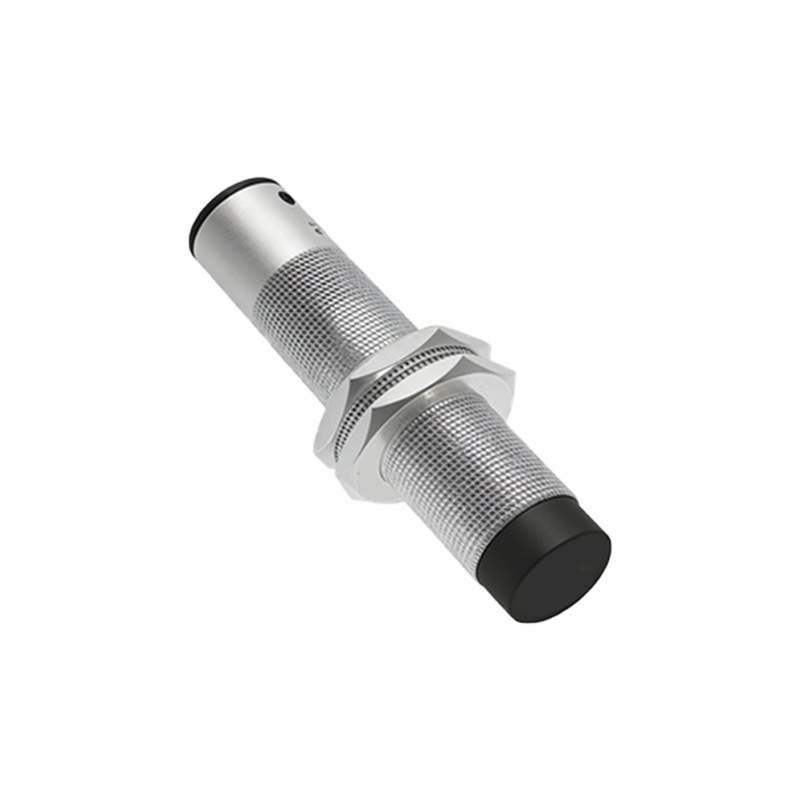
The medical device field presents another arena where precision is non-negotiable. In advanced surgical robots and diagnostic equipment, micro photoelectric proximity sensors play a vital role. A case study from a manufacturer of automated liquid handling systems for laboratories highlights their use. Tiny sensors are deployed to verify the precise position of pipette tips and sample vials on a moving platform. Any misalignment or absence detected by the sensor halts the process, preventing costly cross-contamination or reagent waste. This ensures not only operational accuracy but also patient safety when handling sensitive biological samples. The sensors must be immune to interference from various liquids and chemicals, demonstrating their robustness in critical environments.
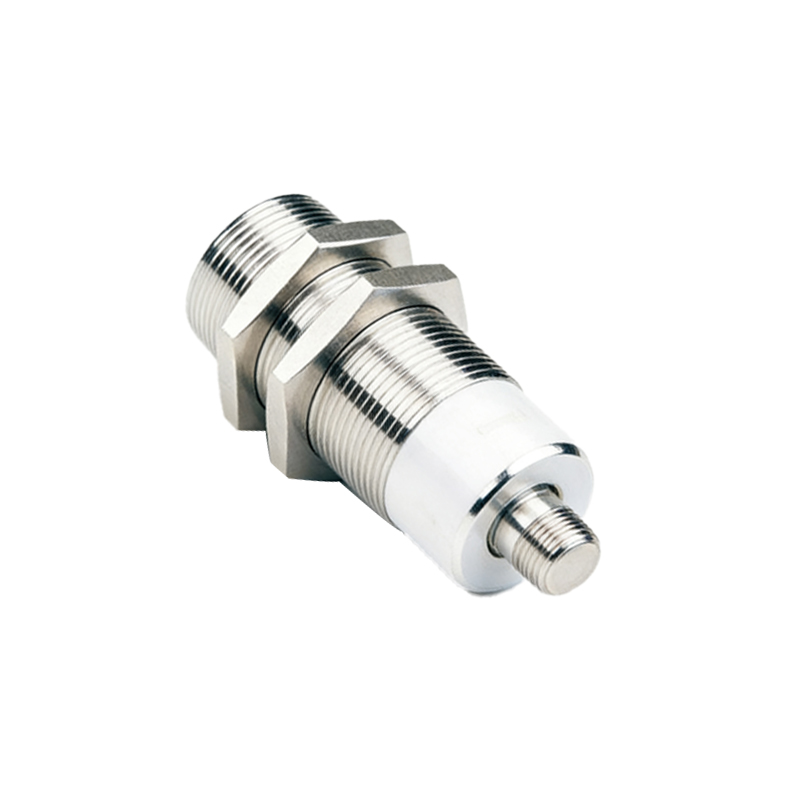
In automotive manufacturing, particularly with the rise of electric vehicles (EVs), micro proximity sensors contribute to both assembly and in-vehicle systems. An automotive tier-1 supplier implemented micro magnetic proximity sensors in a battery module assembly line. These sensors verify the correct seating and locking mechanism of individual battery cells within a module before sealing. Given the high voltages and safety requirements, a failed detection could lead to serious hazards. The sensors provide a reliable, wear-free solution compared to mechanical limit switches, enduring the vibration and electromagnetic noise typical in a factory setting. Inside the vehicle, similar sensors are used in gear selectors and automatic parking brake switches, providing tactile feedback to the driver through seamless detection.
The realm of industrial automation offers a classic yet continually innovating application. A packaging machinery company integrated micro ultrasonic proximity sensors into a high-speed bottling line. The challenge was to count and control the flow of small, transparent plastic bottles moving erratically on a conveyor. Optical sensors struggled with the transparency, and inductive sensors could not detect the non-metallic material. The ultrasonic sensors, with their compact form factor, successfully detected the bottles based on distance to the sensor head, regardless of color or material, ensuring accurate filling and capping operations. This case underscores the importance of selecting the right sensing technology—inductive, capacitive, photoelectric, or ultrasonic—based on the target object and environmental conditions.
Looking toward emerging technologies, micro proximity sensors are foundational to the development of collaborative robots (cobots). In a pilot project at an electronics assembly facility, cobots equipped with an array of micro sensors on their grippers and arms can safely work alongside human operators. The sensors create an invisible detection field, allowing the cobot to sense a human hand approaching and immediately slow down or stop movement. This application moves beyond simple object detection to enabling safe human-robot interaction, a key factor for the future of flexible manufacturing.
The evolution of these sensors continues, driven by demands for even smaller sizes, lower power consumption, and higher intelligence. Modern micro proximity sensors now often include integrated IO-Link communication, allowing for parameterization, diagnostics, and data exchange directly from the sensor to the control system. This digital capability transforms them from simple switches into smart components that can predict maintenance needs and adapt to different tasks.
In conclusion, these case studies from consumer electronics, medical technology, automotive, industrial packaging, and collaborative robotics illustrate that micro proximity sensors are far more than just components; they are enablers of innovation, safety, and efficiency. Their success hinges on meticulous integration tailored to specific environmental challenges and performance requirements. As products and processes become smarter and more miniaturized, the strategic deployment of these tiny yet powerful sensors will undoubtedly remain a cornerstone of technological advancement, silently ensuring precision in the background of our increasingly automated world.