In the bustling environment of industrial facilities, ports, and construction sites, overhead cranes are indispensable workhorses. Their ability to lift and transport massive loads with precision is fundamental to modern logistics and manufacturing. However, the safe and efficient operation of these powerful machines hinges on a network of critical, often unseen, components. Among the most vital are proximity switch sensors. These electronic devices act as the crane's sensory system, providing essential feedback and control to prevent accidents, protect equipment, and optimize workflow.
Unlike mechanical limit switches that require physical contact, proximity switches operate on a non-contact principle. They detect the presence or absence of a metallic target—such as a cam, flag, or the crane structure itself—within a specified sensing range without any physical touch. This key characteristic makes them exceptionally reliable, durable, and maintenance-free, as there are no moving parts to wear out or get jammed by dust, grease, or debris common in industrial settings.
The primary function of these sensors on an overhead crane is position sensing and limit control. They are strategically installed at the extremes of the crane's travel paths: the bridge travel (along the runway), trolley travel (across the bridge), and hoist lifting/lowering. Their role is to automatically signal the control system to slow down and then stop the crane's movement before it reaches its physical end limits. This prevents catastrophic over-travel incidents that could lead to collisions with end stops, derailment, or structural damage. Advanced systems often employ a two-sensor approach: a "slow-down" sensor first reduces speed, followed by a "stop" sensor that halts motion entirely, ensuring a smooth and controlled deceleration.
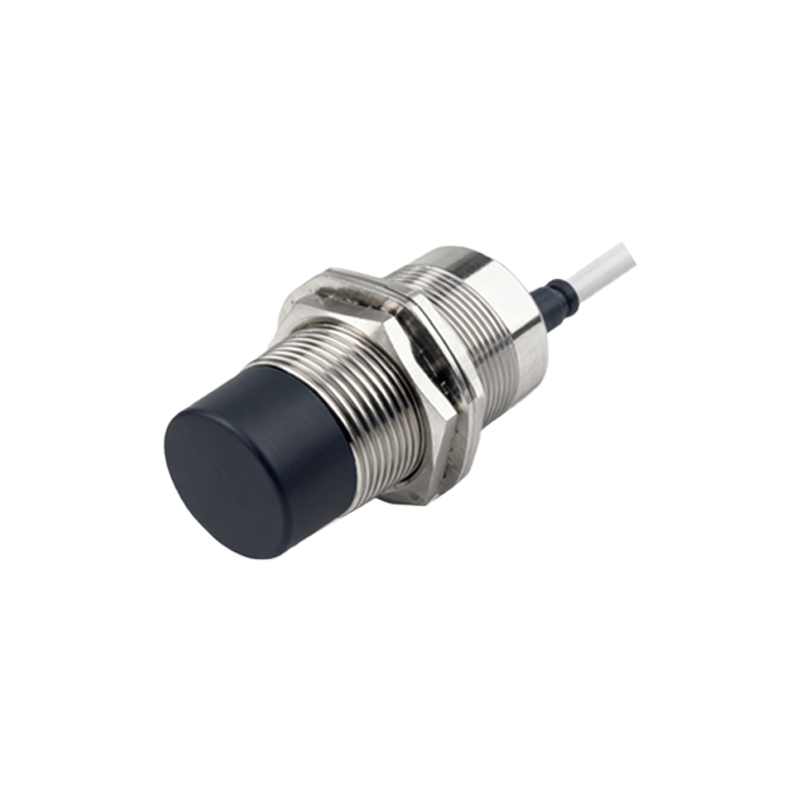
Beyond basic limit switching, proximity sensors are integral to anti-collision systems in facilities where multiple cranes operate on the same runway. Sensors on each crane can detect the presence of another crane and automatically initiate a slowdown or stop to maintain a safe separation distance. They are also crucial for hook height control, preventing the hook block from rising too high and colliding with the drum or itself ("two-blocking"), a dangerous condition that can cause cable failure and load drop.
Several types of proximity sensors are employed, with inductive proximity switches being the most common for crane applications. These sensors generate an electromagnetic field and react when a ferrous metal target enters this field. They are robust, cost-effective, and perfectly suited for detecting standard steel targets. For applications requiring detection of non-ferrous metals or specific positioning, capacitive or ultrasonic sensors might be utilized, though less frequently.
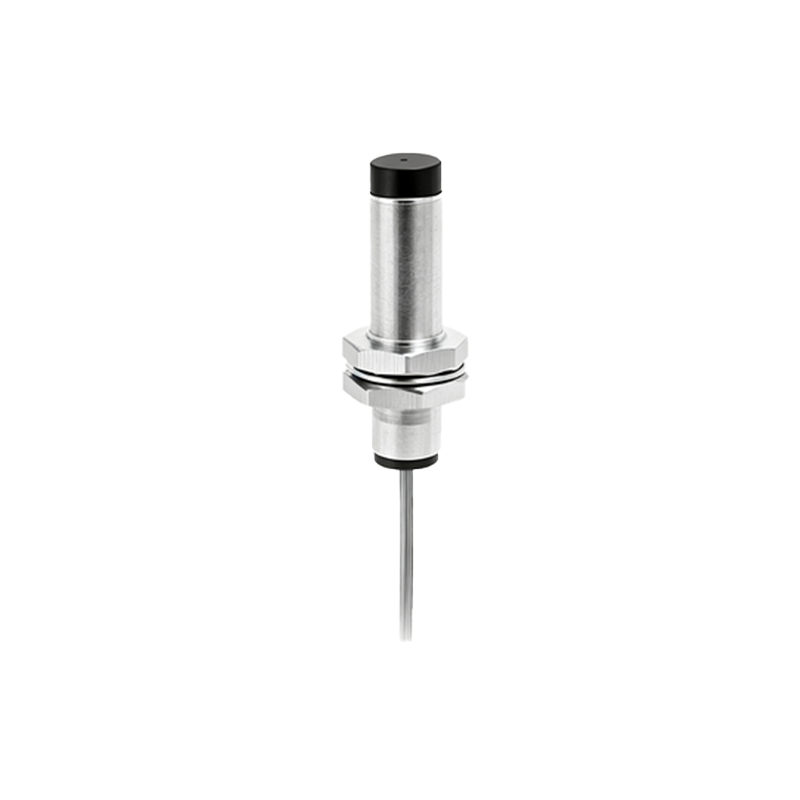
The selection and installation of these sensors are critical. Factors such as the sensing distance (must be appropriate for the crane's speed and deceleration rate), the type of metal in the target, environmental conditions (temperature, humidity, presence of welding spatter or strong electromagnetic interference), and the sensor's housing material (often nickel-plated brass or stainless steel for durability) must all be carefully considered. Proper alignment between the sensor and its target is paramount for consistent operation. A misaligned sensor can fail to detect, leading to unsafe conditions, or provide false signals, causing unnecessary operational interruptions.
Regular inspection and testing are non-negotiable parts of a crane maintenance program. While proximity sensors are low-maintenance, their functionality should be verified periodically. This includes checking for physical damage, ensuring tight electrical connections, and verifying that the sensor correctly triggers during a test run of the crane's limits. Modern sensors often feature LED indicators that provide visual confirmation of their operational status, simplifying diagnostics.
In essence, proximity switch sensors are the silent guardians of overhead crane safety. They provide the automated, fail-safe intelligence that allows operators to focus on the load handling task with confidence. Their implementation directly reduces the risk of equipment damage, costly downtime, and most importantly, workplace injuries. Investing in high-quality sensors, correct installation, and a rigorous maintenance schedule is not merely a technical compliance issue; it is a fundamental commitment to operational excellence and workforce safety. As crane technology evolves with trends toward automation and the Internet of Things (IoT), these sensors will continue to be foundational elements, feeding precise positional data into sophisticated control systems for even smarter and safer material handling solutions.